An executive escalation letter is not a louder version of a customer service complaint. It is a different document entirely. The audience is different, the tone is different, and what it asks for is different. Treating it like a long support email is the most common reason these letters do not work.
When a Letter Is the Right Move
Executive escalation makes sense after the normal channels have run their course — multiple support contacts, no substantive response, or a written denial that does not match the facts. It is also reasonable when the matter has crossed a threshold of value, time, or impact that justifies a written record being placed in front of someone with authority.
Sending an executive letter too early dilutes it. Sending one without a clean file underneath dilutes it more.
What an Executive Letter Actually Includes
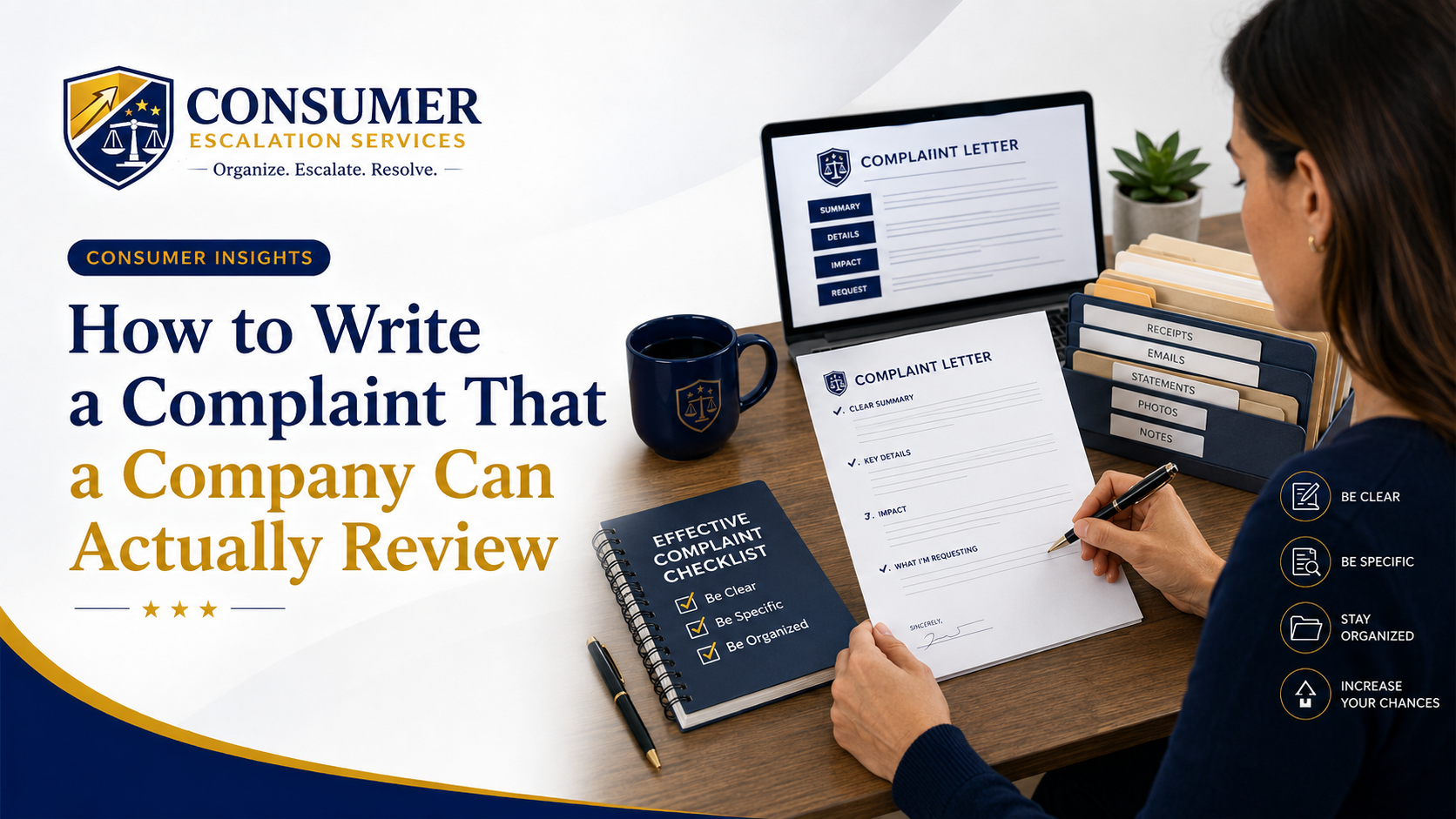
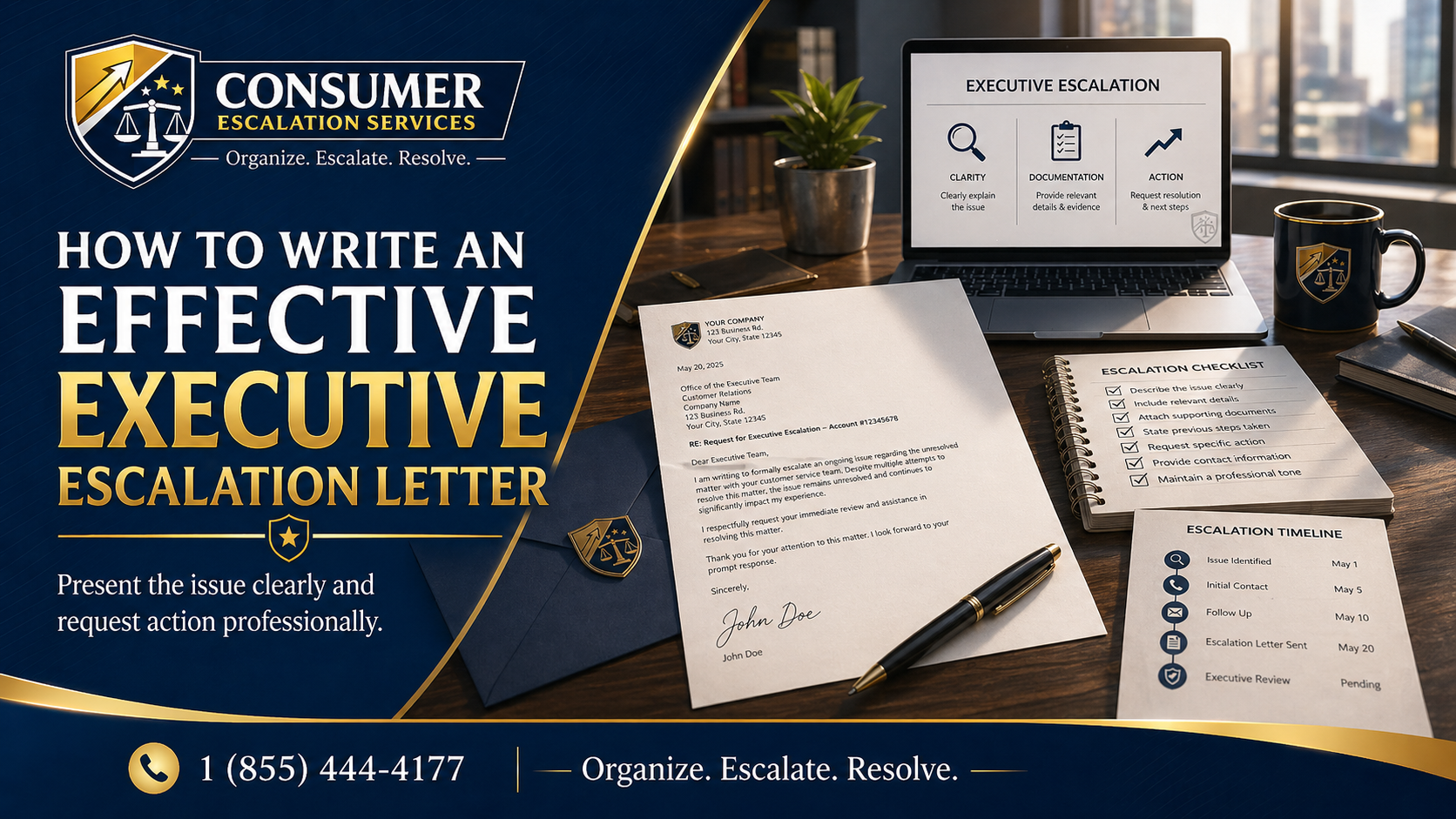
- A clear subject line that names the issue and references any account or order numbers
- A two-to-four-sentence opening summary
- Account, transaction, or contract details in one short block
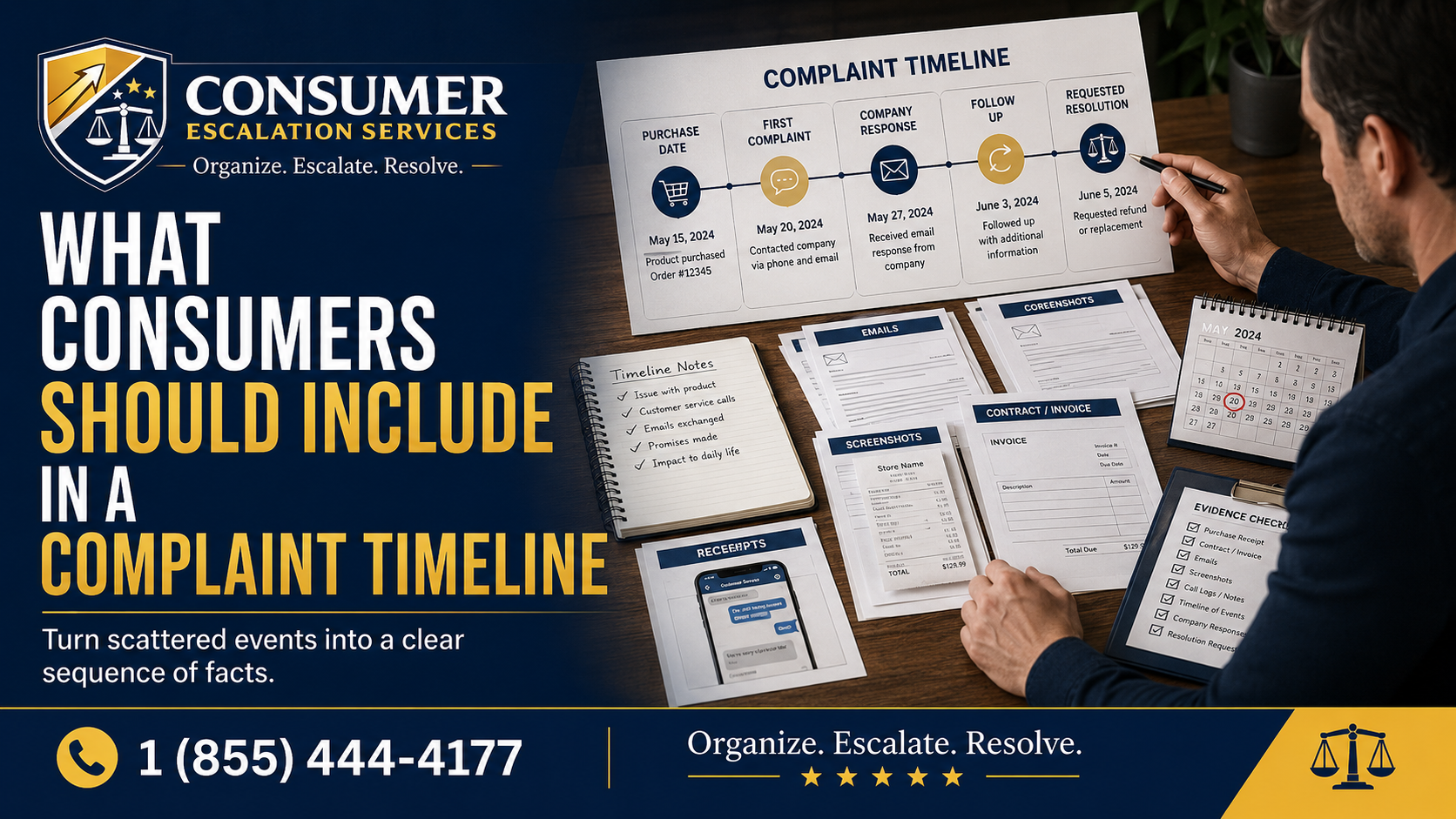
- A brief, dated timeline of events
- A short list of the prior attempts to resolve the matter
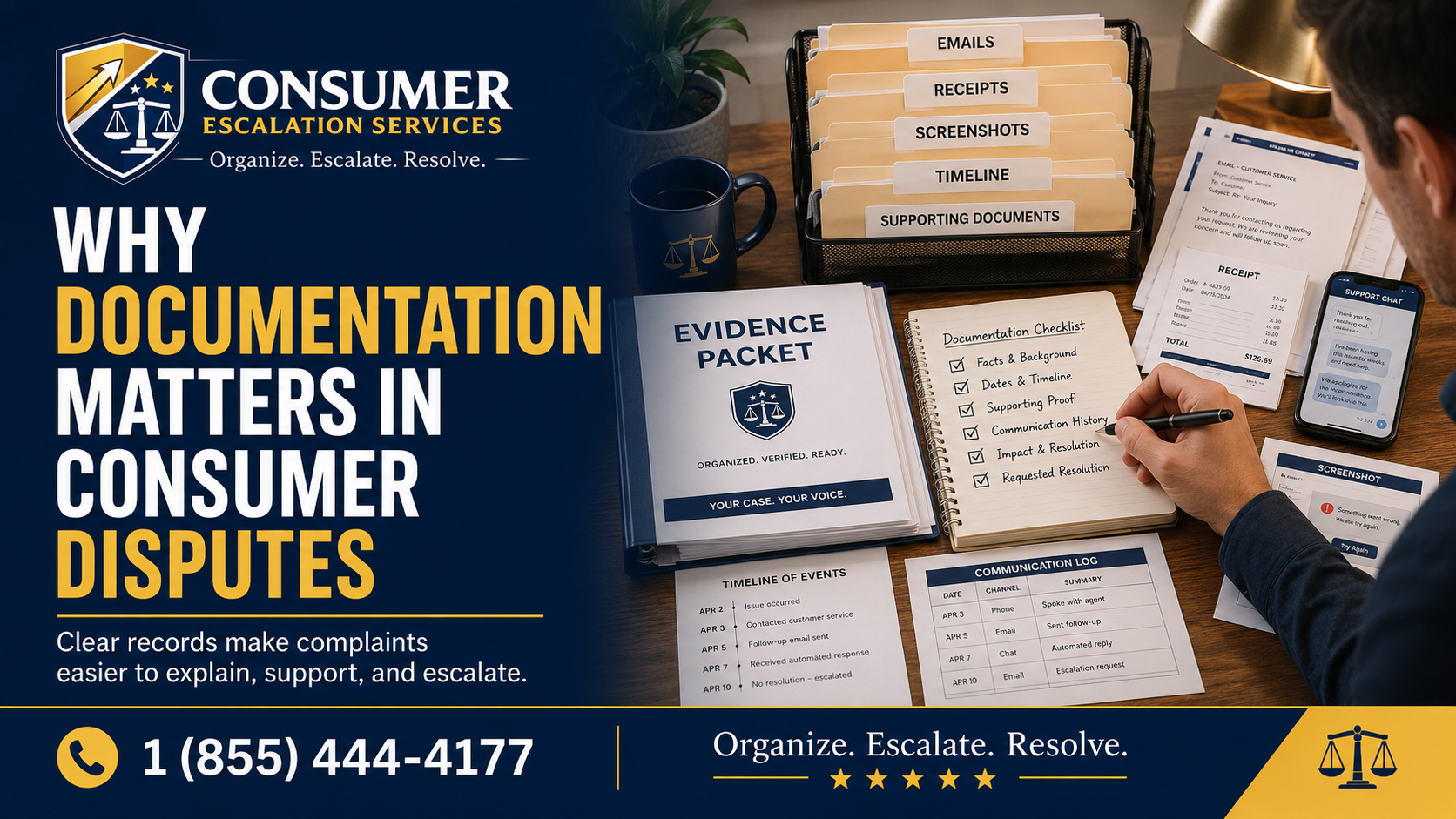
- References to attached documentation rather than long quoted text
- A specific requested resolution
- A reasonable written response deadline
Length is not strength. A clean two-page letter with attachments outperforms a six-page narrative every time.
Tone Matters More Than Length
The right tone is firm and respectful. The letter should sound like it could be forwarded internally without anyone wincing. That is the actual test — would the reader feel comfortable passing your email to a peer?
Avoid threats, ultimatums, public shaming, or repeated emotional language. None of those move the matter forward, and most of them give the company a reason to stop reading.
Weak vs Stronger: Side by Side
Weak
Your company is horrible and I am going to post everywhere unless someone fixes this.
Stronger
I am requesting executive review of this matter because prior customer service attempts have not produced a substantive response. Attached: a one-page summary, a timeline, the prior ticket numbers, supporting receipts, and the specific resolution I am requesting. I would appreciate a written reply within fourteen business days.
The second version is shorter, more specific, and far more likely to be read by a human and acted on. Nothing in it is dramatic — that is the point.
Before You Hit Send
- Read the letter aloud — anything that sounds heated, cut
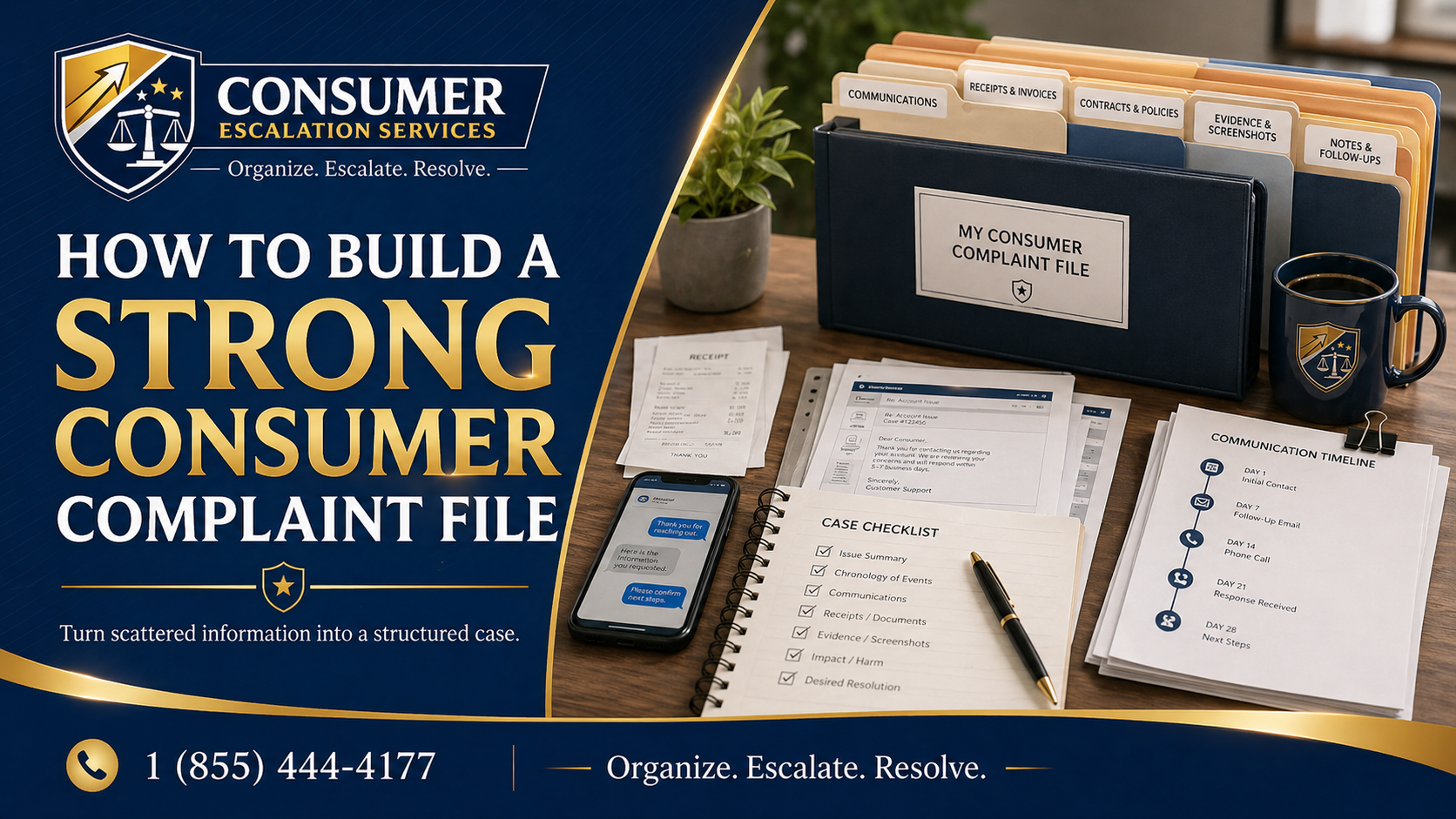
- Make sure every claim in the letter is supported by an attachment
- Check that the requested resolution is specific and reasonable
- Confirm the recipient is the right address for executive correspondence
- Save a clean copy for your records and log the date sent
A well-prepared escalation letter does the heavy lifting before you even send it. By the time it lands, the matter has already been organized into something the company can answer in writing.