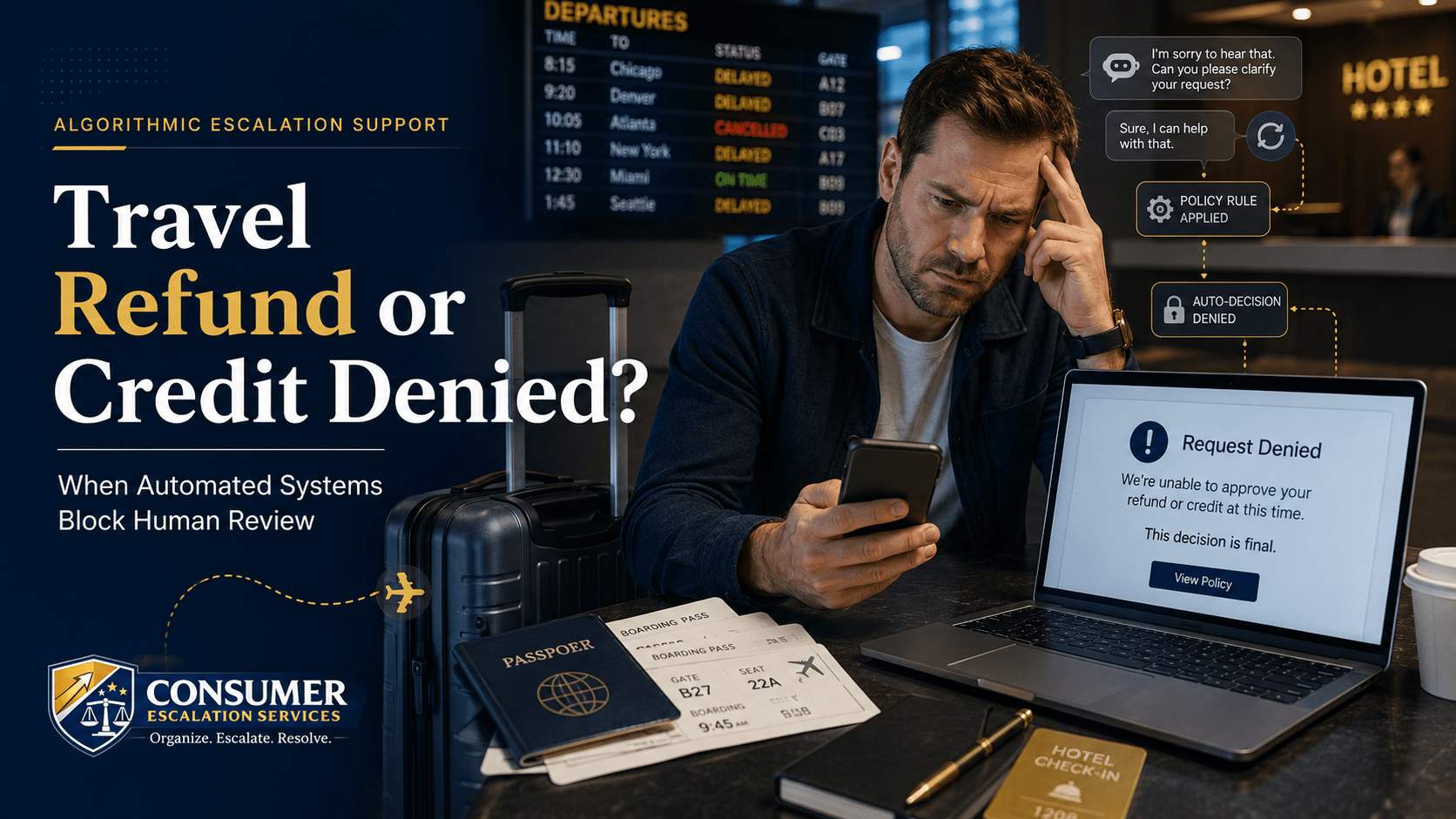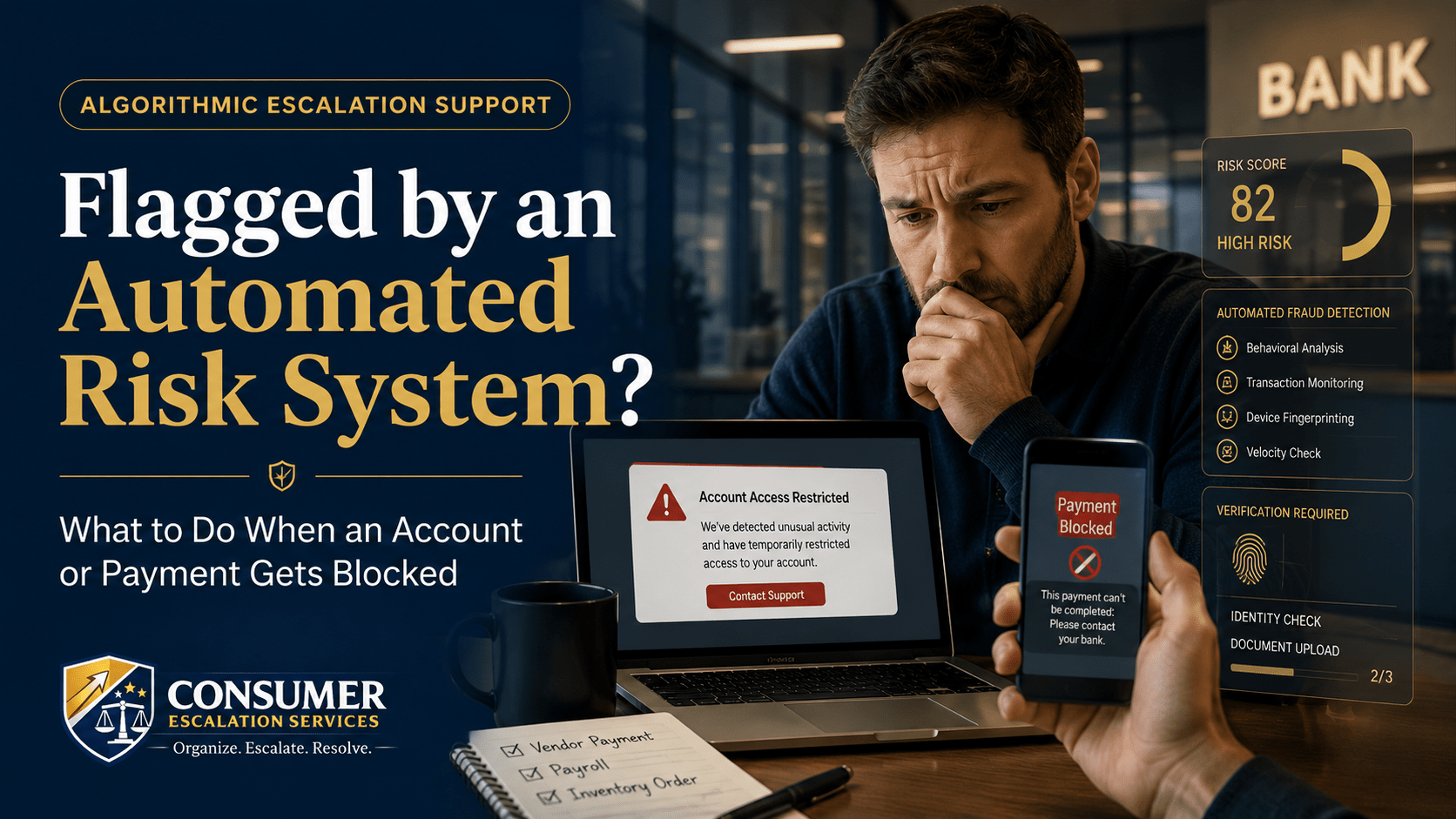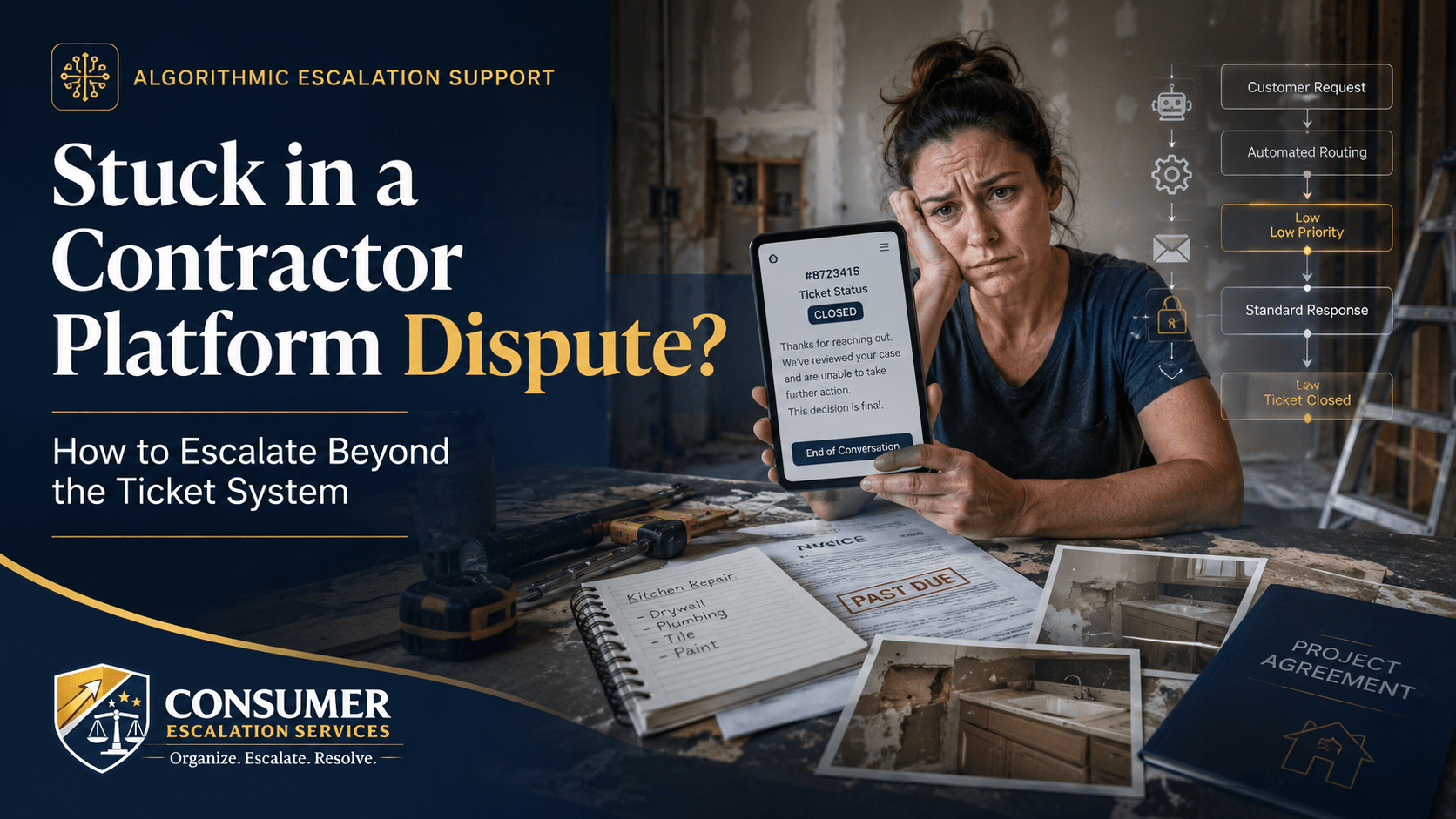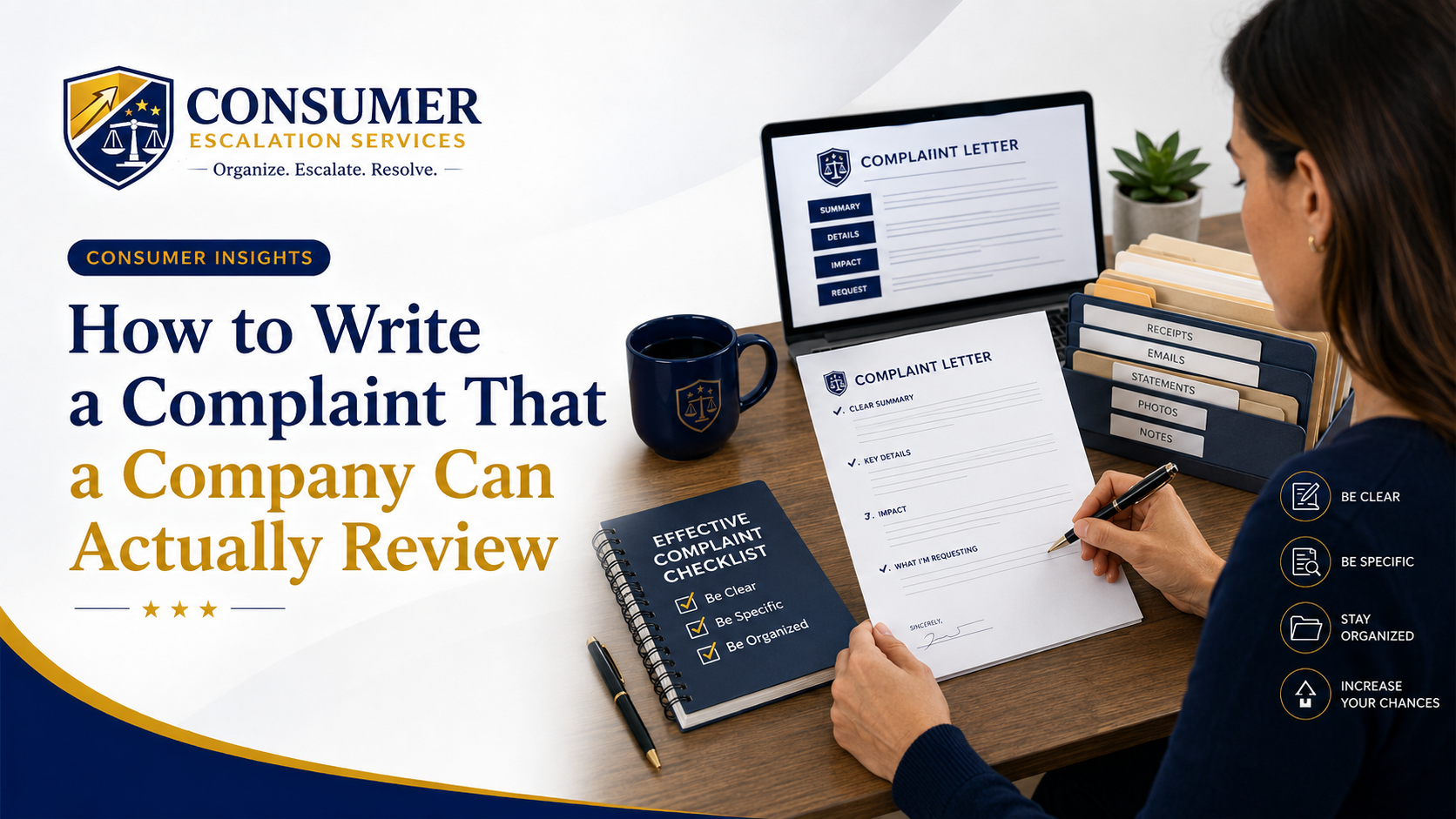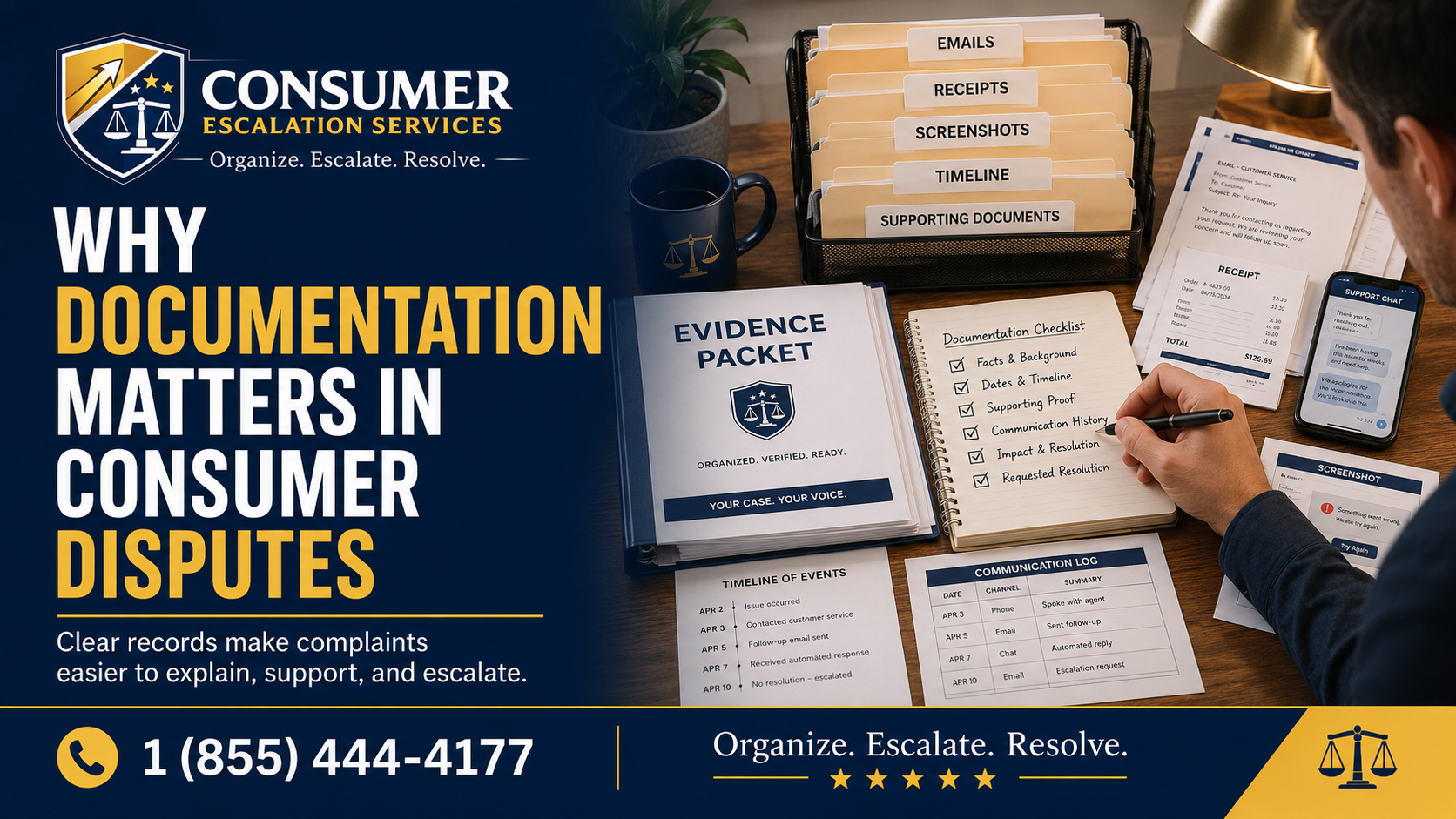
In many consumer disputes, the most important evidence disappears quickly.
- An app notification changes.
- A chat window closes.
- A refund message vanishes.
- A delivery status updates.
- A price changes.
- An account notice is removed.
- A customer service message gets buried.
- A cancellation confirmation becomes difficult to find.
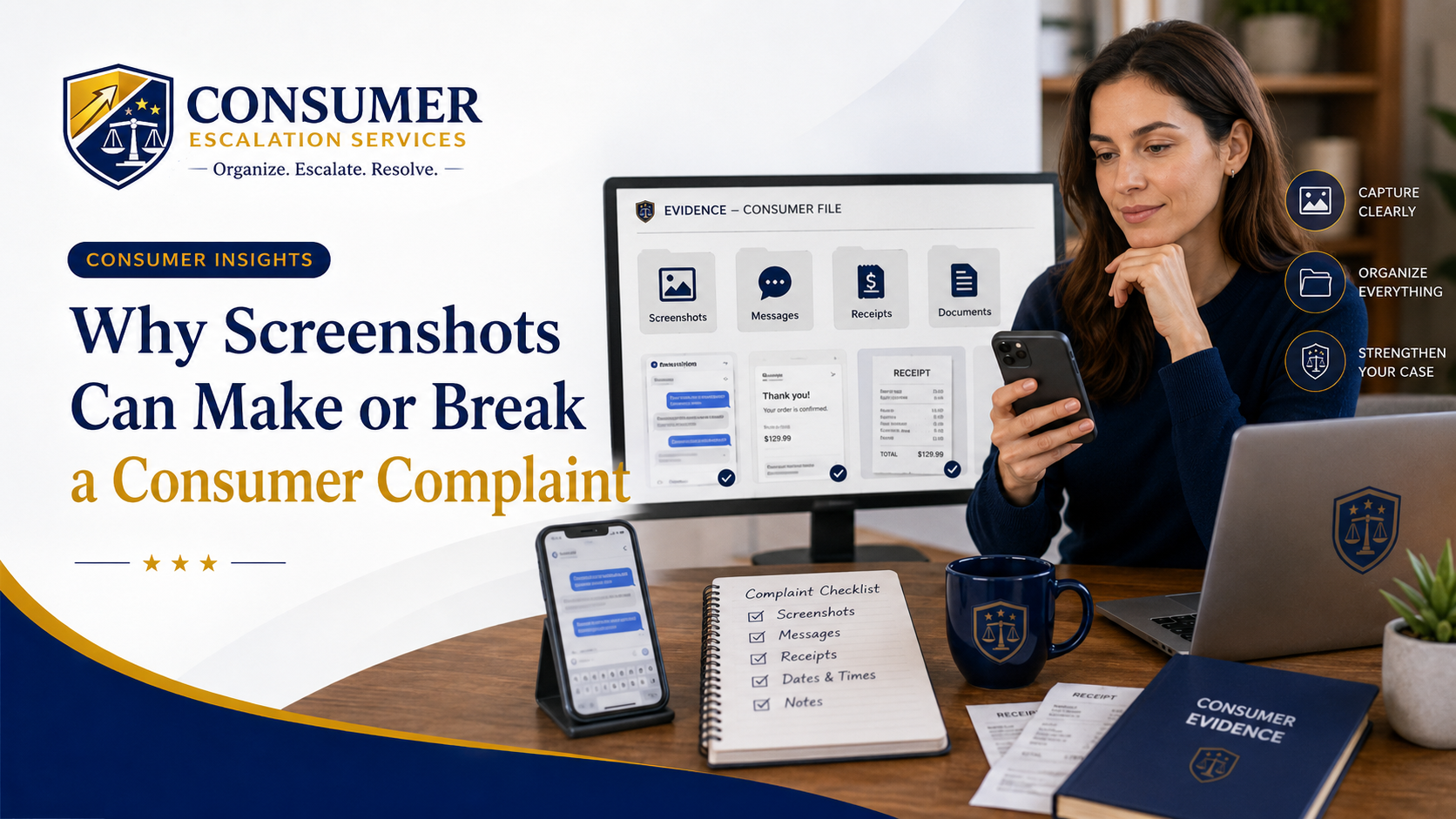
That is why screenshots can be so important.
Screenshots can help preserve what you saw, when you saw it, and what the company, app, platform, or service provider communicated to you at the time.
A screenshot is not always enough by itself, and it does not guarantee a successful complaint. But when used properly, screenshots can support your timeline and help explain the issue more clearly.
Why Screenshots Matter
Consumer complaints often come down to proof.
- What did the company say?
- What did the app show?
- What was promised?
- What was charged?
- What was canceled?
- What was denied?
- What date did the message appear?
- What reason was given?
Screenshots can help answer those questions.
They are especially useful when the dispute involves online accounts, mobile apps, digital purchases, subscriptions, travel bookings, rideshare or delivery apps, banking apps, warranty portals, marketplace platforms, hotel reservations, airline communications, or customer service chats.
Without screenshots, the consumer may only have memory. With screenshots, there may be a visual record.
What Consumers Should Screenshot
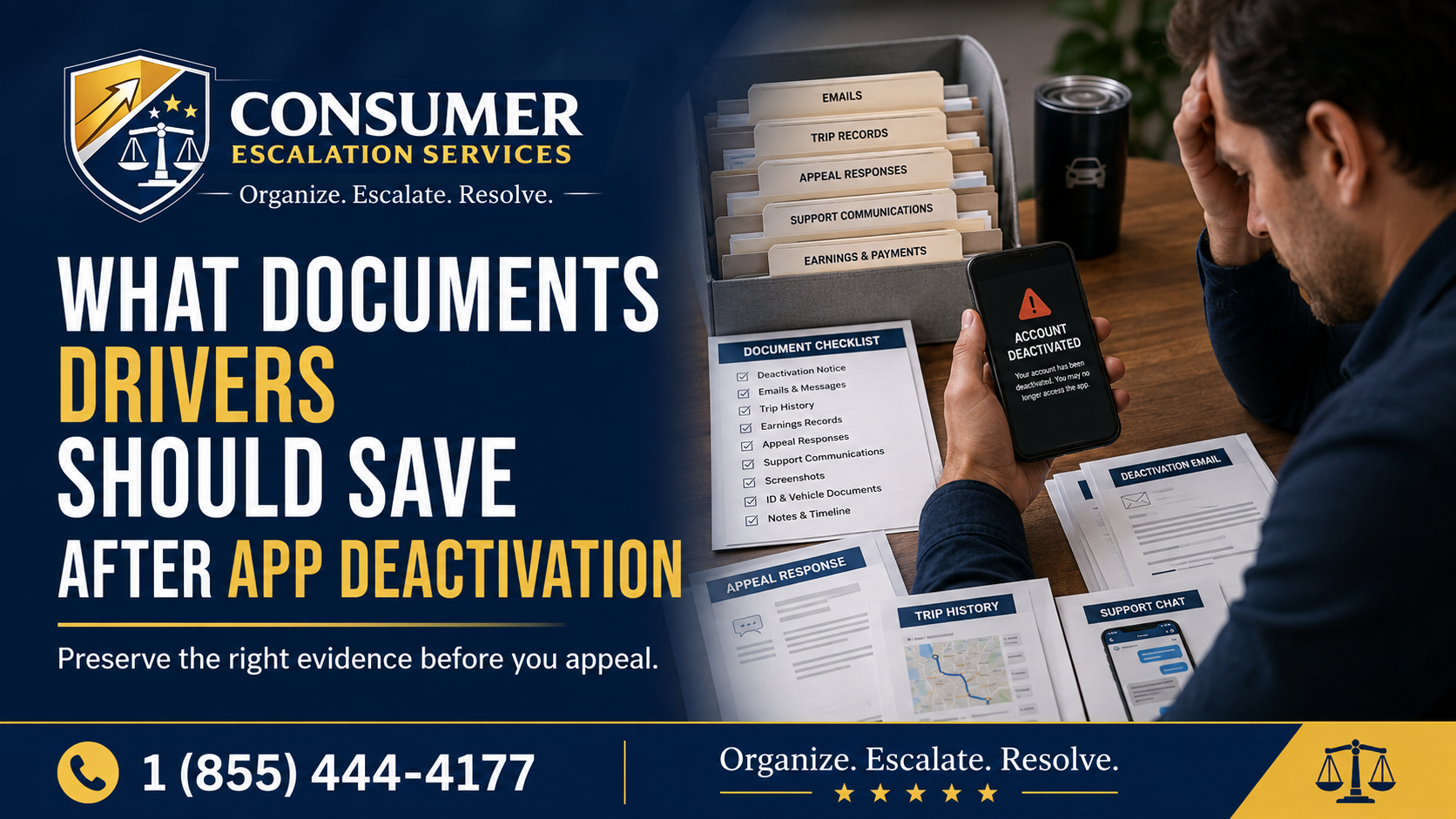
If you are dealing with a customer service issue, consider saving screenshots of anything that directly supports your complaint.
This may include:
- Refund promises
- Cancellation confirmations
- Order confirmations
- Payment receipts
- Billing errors
- Subscription renewal notices
- Account closure notices
- Suspension or deactivation messages
- Chat conversations
- Customer service replies
- Delivery confirmations
- Warranty claim responses
- Travel delay or cancellation notices
- Price quotes
- Service promises
- Policy language shown in the app or website
- Error messages
- Case numbers or ticket numbers
The best screenshots are specific, readable, and connected to the issue.
Avoid saving hundreds of random screenshots with no order. The goal is to preserve key evidence, not create confusion.
Capture the Date Whenever Possible
A screenshot is stronger when it shows the date, time, account name, order number, ticket number, transaction ID, or other identifying information.
If the date is not visible in the screenshot, make a note immediately after saving it.
For example:
Screenshot taken May 6, 2026, showing refund approval message inside the app.
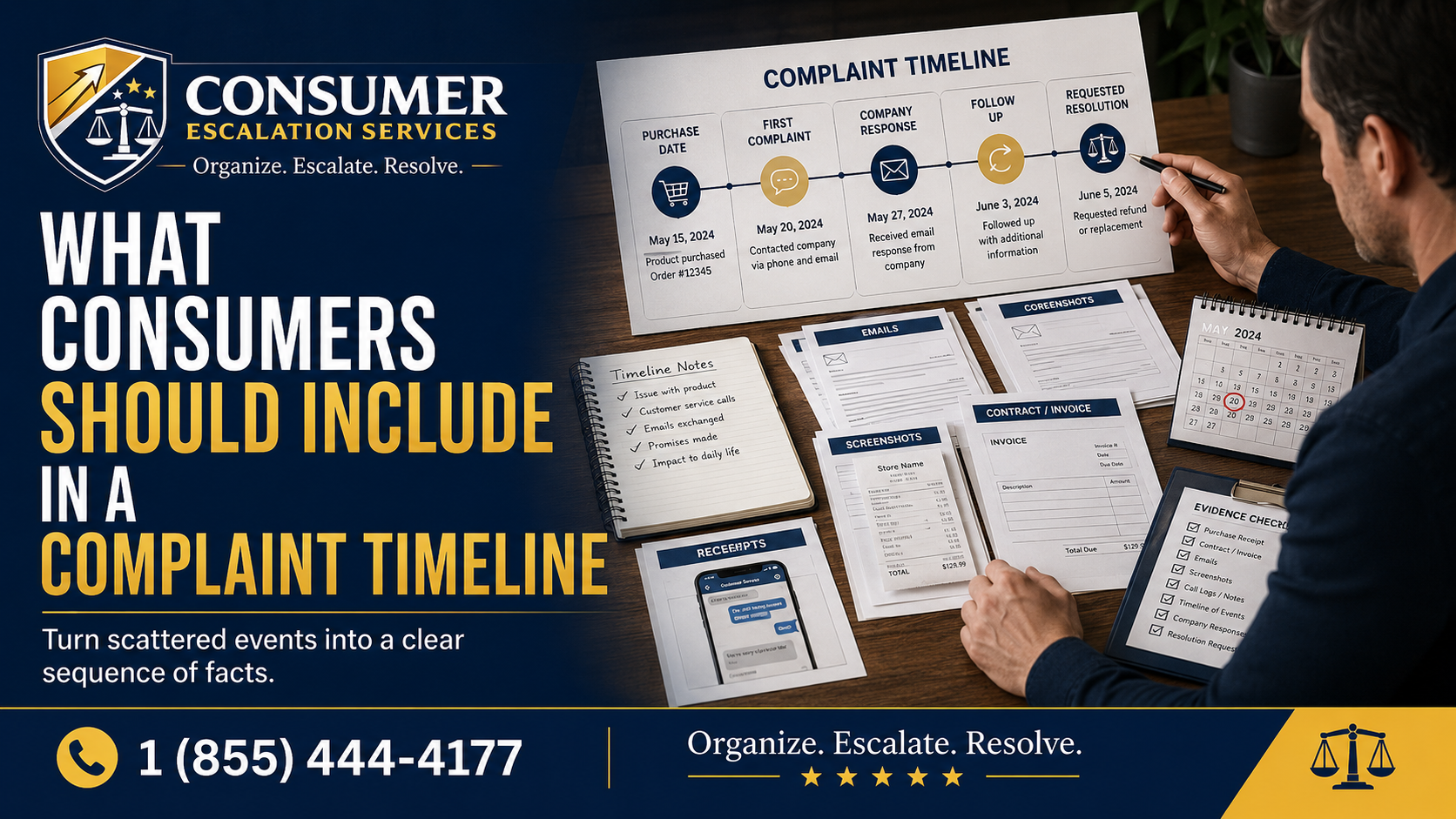
That note can help you later when you are building your complaint timeline.
Save the Full Conversation When You Can
If the issue involves a chat conversation, do not screenshot only the company's final response.
Capture enough of the conversation to show context.
For example, if customer support promised a refund, you may need to save:
- The beginning of the chat
- Your explanation of the issue
- The representative's response
- The refund promise
- Any case number
- The date and time if visible
A single screenshot without context can sometimes be misunderstood. A complete sequence is usually better.
Do Not Edit the Screenshot
Avoid cropping, marking up, or editing the original screenshot in a way that could make it look unreliable.
It is okay to create a copy for presentation purposes, but keep the original version saved.
If you need to highlight something, make a duplicate and mark up the duplicate. Do not destroy the original.
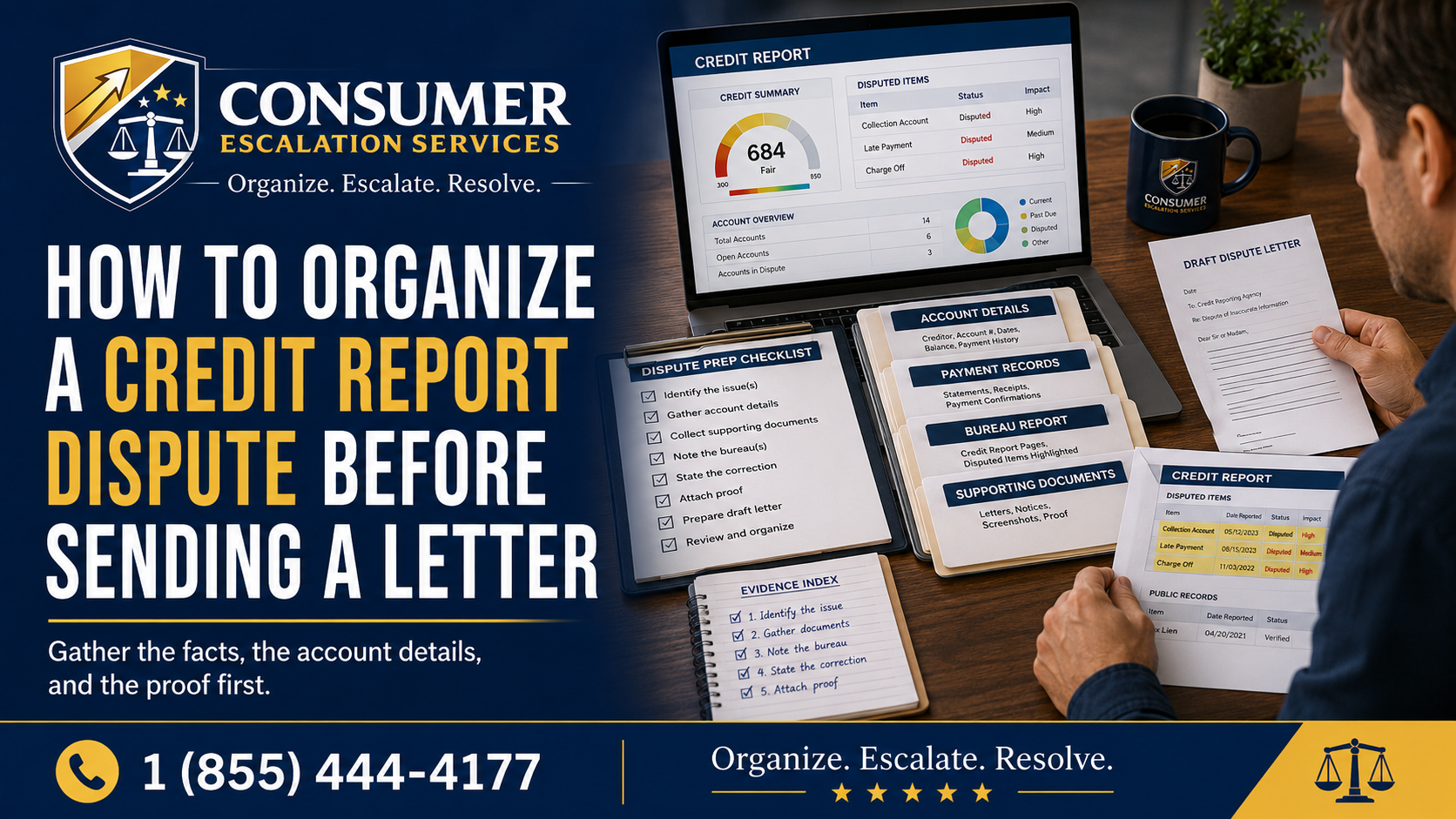
Organize Screenshots by Date and Issue
Screenshots are only helpful if you can find them.
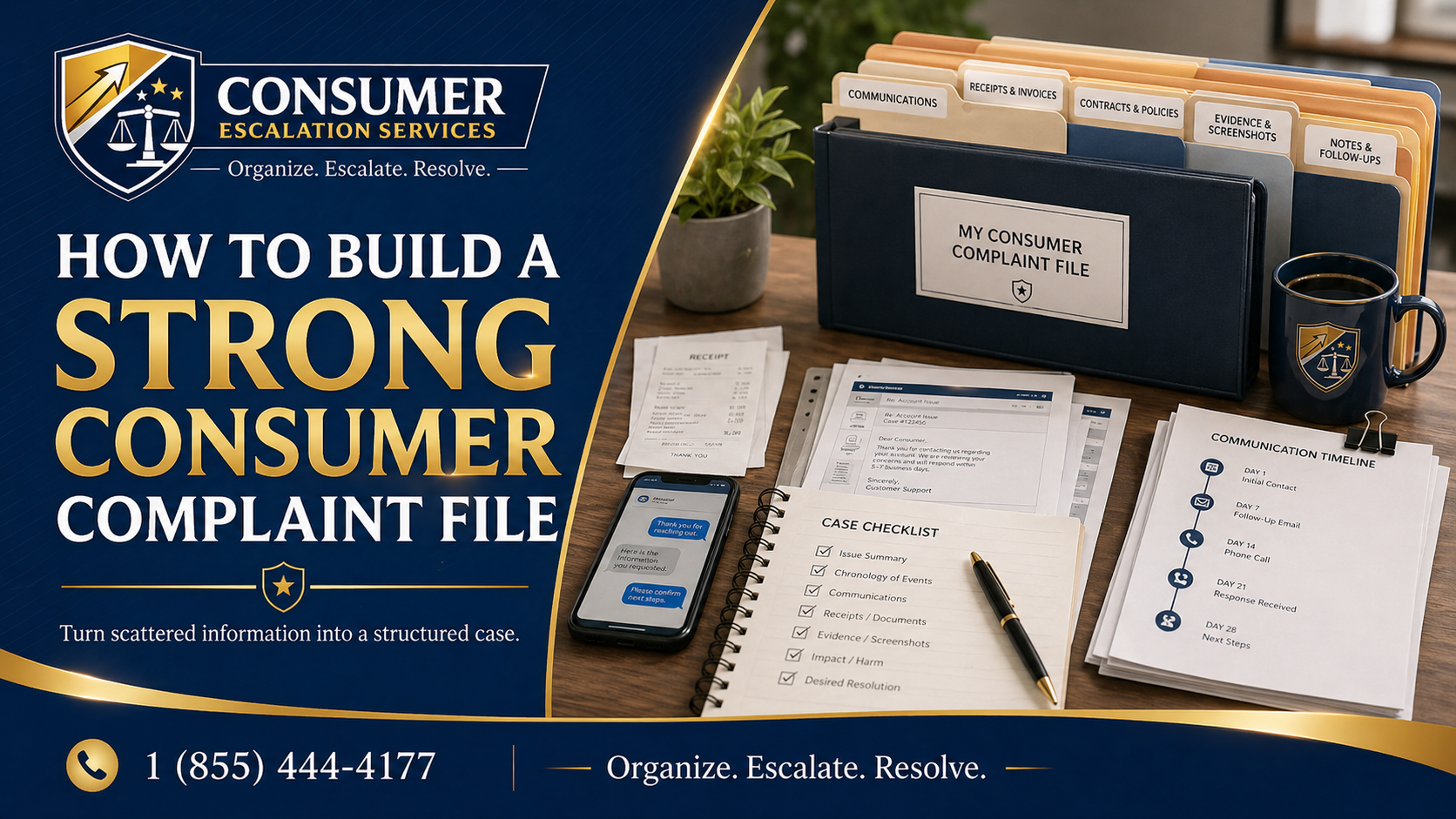
Create a simple folder or album for the complaint.
You can name files in a clear way, such as:
- 2026-05-01 refund approval
- 2026-05-03 no refund received
- 2026-05-05 customer service follow up
- 2026-05-08 case closed message
This makes it easier to build a timeline and attach the right documents if you escalate.
Screenshots Should Support the Story, Not Replace It
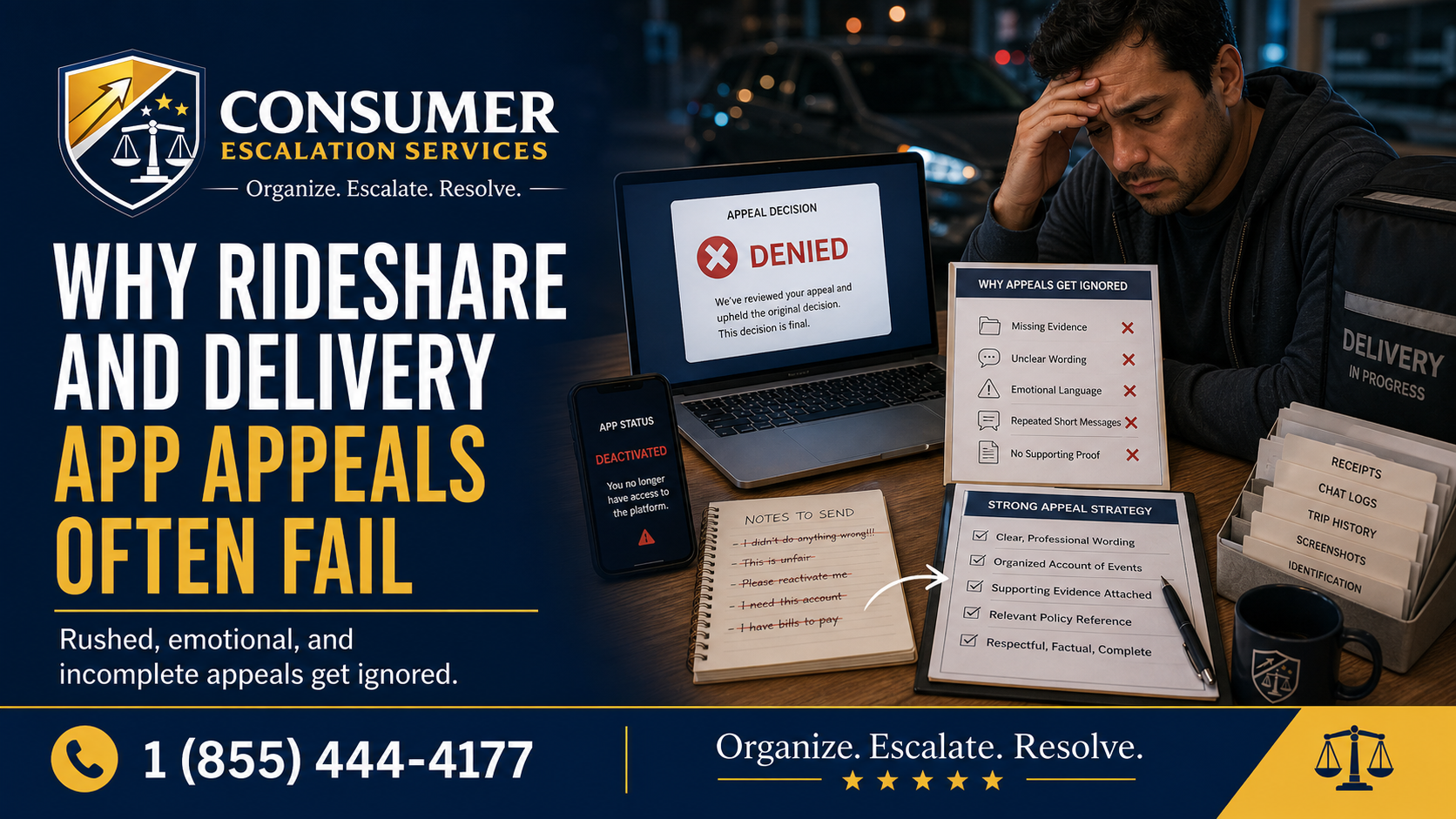
A common mistake is sending screenshots with no explanation.
The company should not have to guess why each screenshot matters.
When escalating a complaint, explain what each important screenshot shows.
For example:
- "Attachment 2 shows the cancellation confirmation dated April 12."
- "Attachment 3 shows the customer service message stating a refund would be processed."
- "Attachment 4 shows the account notice stating the case was closed without further explanation."
This helps the reviewer connect the evidence to the facts.
Be Careful With Private Information
Before sharing screenshots, review them carefully for sensitive information.
Do not casually send screenshots that reveal:
- Full Social Security numbers
- Full credit card numbers
- Bank login information
- Passwords
- Private medical details
- Unrelated personal messages
- Other people's private information
If sensitive information appears, consider whether it can be safely redacted before sharing. Keep in mind that some companies may still need certain account identifiers, but consumers should be careful about unnecessary exposure.
Final Thought
Screenshots can make a major difference in a consumer complaint because they help preserve what happened before information changes or disappears.
The best screenshots are:
- Clear
- Relevant
- Dated
- Unedited
- Organized
- Connected to the timeline
- Explained in the complaint
When a consumer can show what was promised, denied, charged, canceled, or ignored, the complaint becomes easier to understand.
Before you escalate, save the proof.