
When a company tells you, "This is our final decision," it can feel like the door has completely closed.
For many consumers, those words are frustrating, discouraging, and sometimes confusing. You may have spent hours calling customer service, sending emails, uploading documents, repeating the same story, and waiting for someone to take the issue seriously. Then, after all of that effort, the company responds with a short message saying the decision is final.
But before you give up, it is important to slow down and understand what that phrase may actually mean.
In many situations, "final decision" means the company's current review process is closed at the level where your complaint was handled. It does not always mean every possible internal review, executive review, written clarification request, documentation review, or outside complaint pathway has been fully explored.
That does not mean the company is required to change its position. It also does not mean you are guaranteed a different result. But it may mean there are still practical steps you can take to organize your complaint more clearly and present the issue in a more structured way.
Start by Asking for the Decision in Writing
If the company told you the decision was final by phone, ask for the decision in writing.
A written response matters because it can show:
- The date of the decision
- The reason the company gave
- The department or person who reviewed the issue
- Any policy or account explanation they relied on
- Whether supporting documents were reviewed
- Whether there is any appeal, review, or reconsideration process
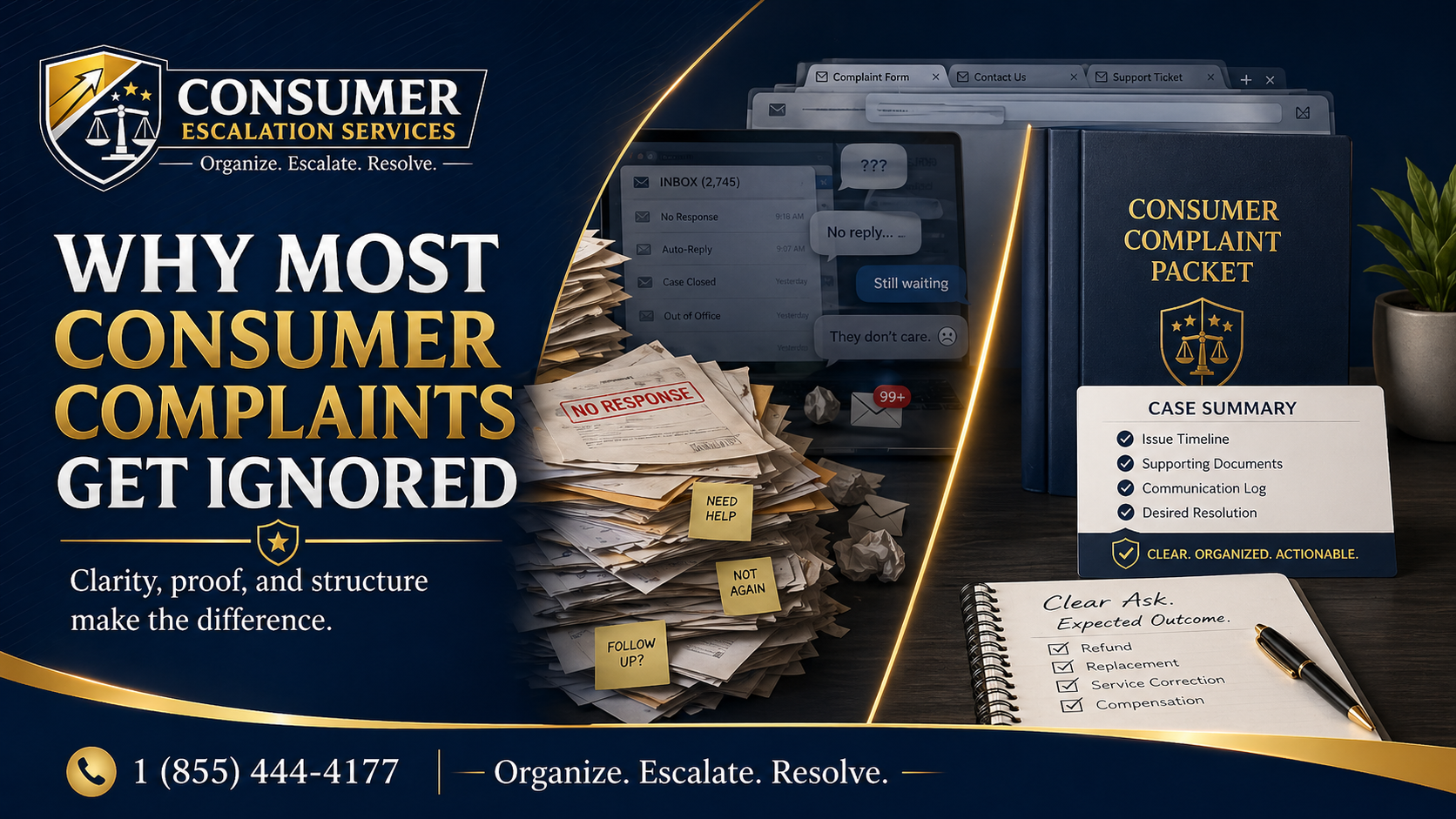
Many consumer complaints become harder to escalate because the consumer only has verbal information. A written record gives you something concrete to organize and respond to.
If the company refuses to provide anything in writing, make your own note immediately after the call. Include the date, time, phone number called, representative name if available, and a summary of what was said.
Review the Reason, Not Just the Result
Consumers often focus only on the result: denied refund, closed account, rejected claim, suspended access, no reimbursement, or case closed.
But the most important part is the reason behind the result.
Ask yourself:
- Did the company clearly explain why the decision was made?
- Did they reference a specific policy, contract term, account rule, or service condition?
- Did they address the facts you submitted?
- Did they ignore important documents?
- Did they misunderstand the timeline?
- Did they rely on incomplete or incorrect information?
- Did they give a generic response that does not match your situation?
A strong escalation usually focuses on the gap between what happened and how the company reviewed it.
For example, instead of simply saying, "This is unfair," a stronger complaint may say:
The company denied my refund request, but the written response does not address the cancellation confirmation dated March 4 or the email from customer support stating the refund would be processed within 7 to 10 business days.
That kind of statement gives the company something specific to review.
Build a Clean Timeline
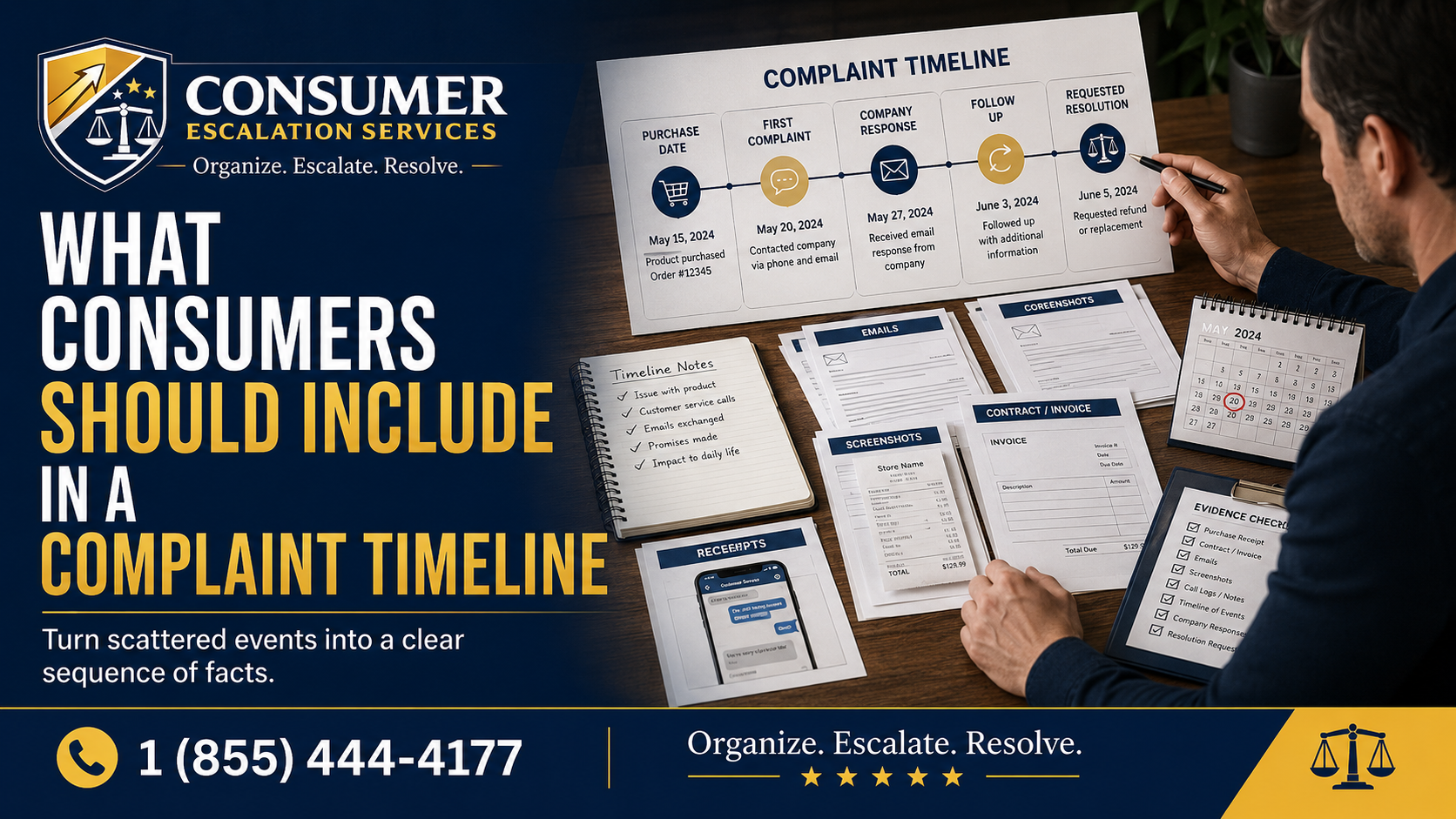
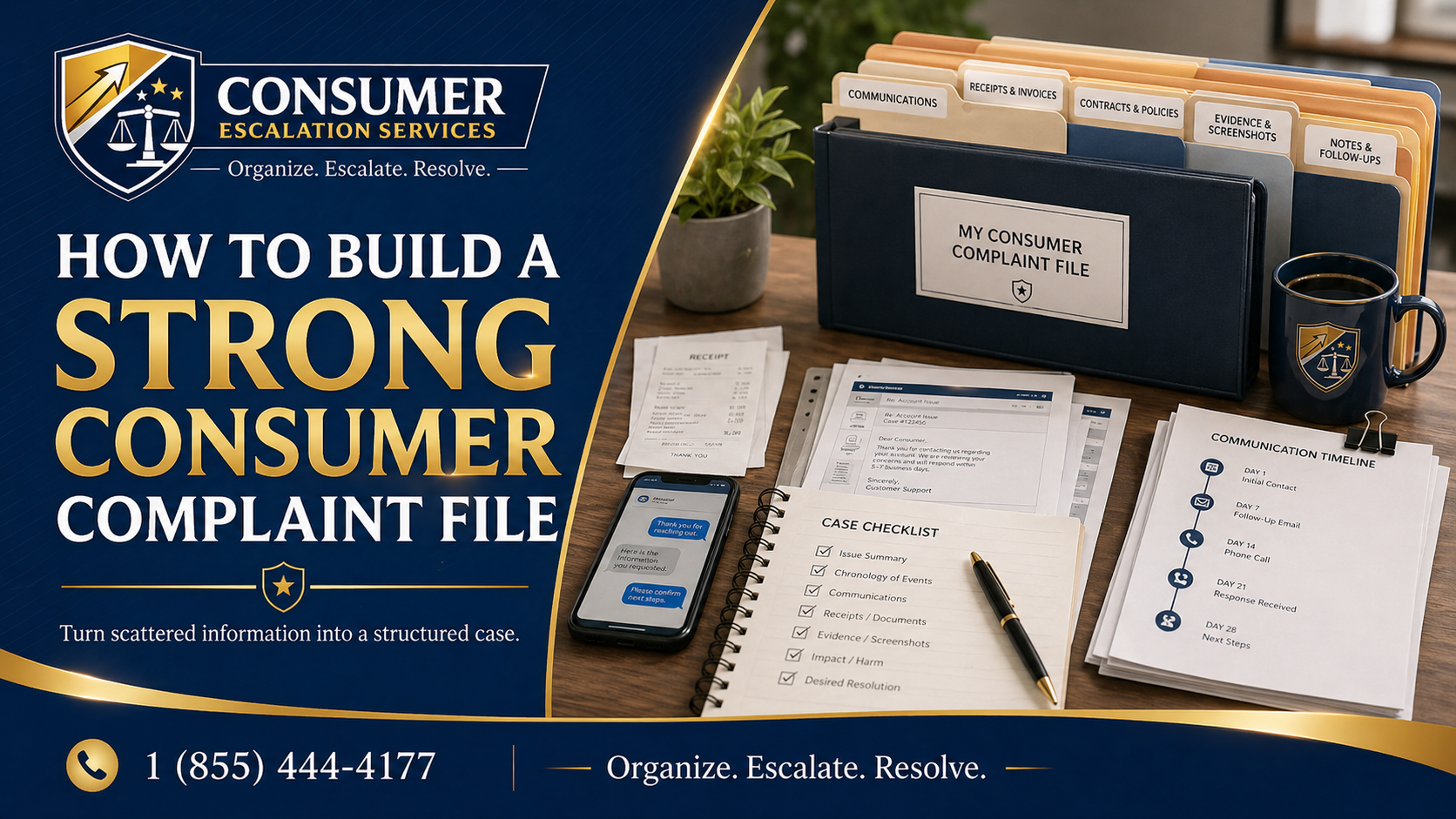
Before sending another message, create a simple timeline.
Your timeline should include:
- Date of purchase or service
- Date the problem started
- Dates you contacted customer service
- Names or departments you communicated with
- Ticket numbers or claim numbers
- Dates promises were made
- Dates documents were submitted
- Date the company issued the final decision
A timeline helps turn a messy complaint into an organized record.
This is especially important for disputes involving refunds, account closures, app deactivations, travel issues, warranty denials, contractor problems, subscription charges, billing errors, and service failures.
The more organized the timeline is, the easier it may be for a reviewer to understand the issue without having to guess what happened.
Gather the Evidence Before Escalating Again
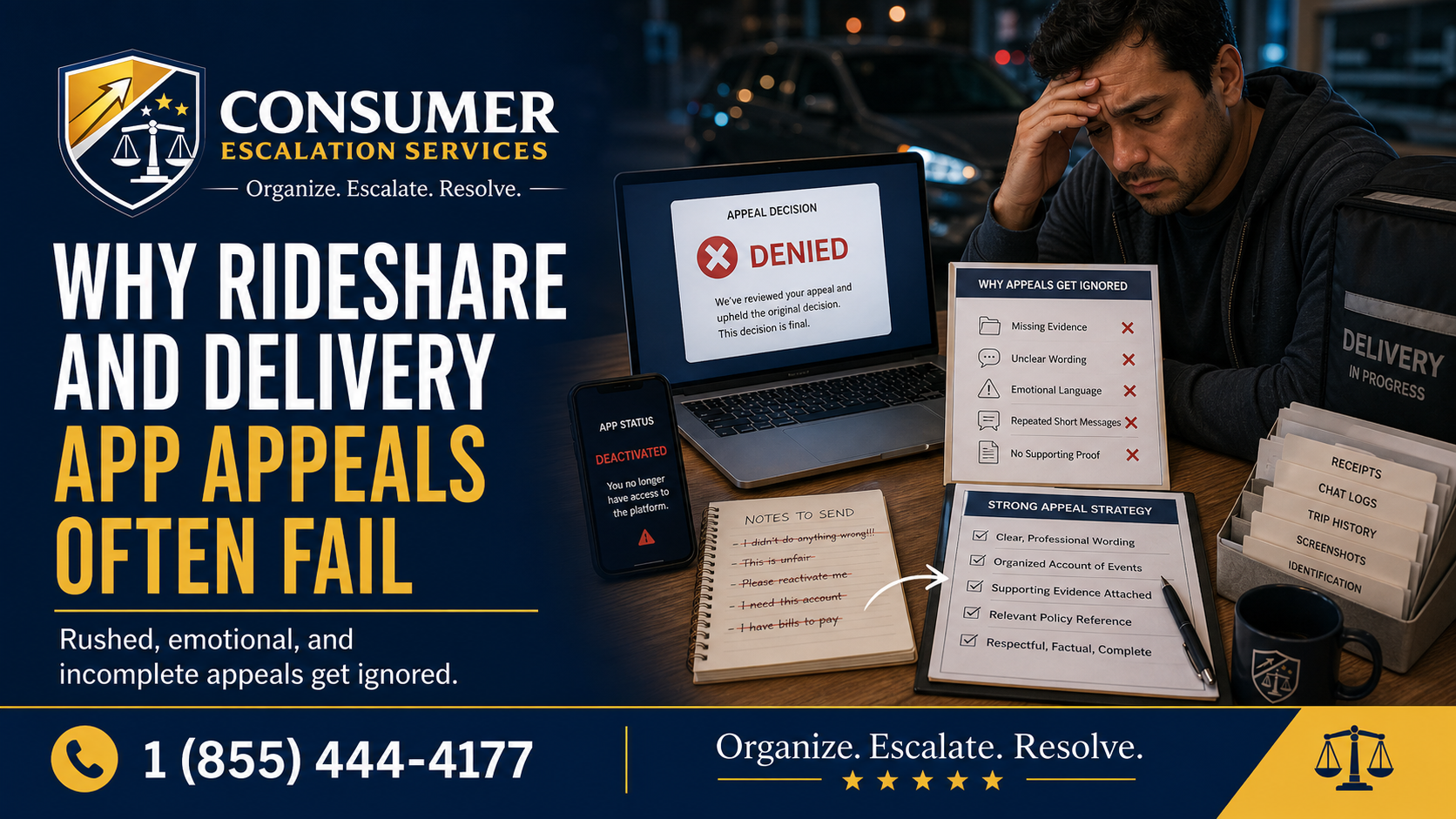
After a final decision, do not rush into another emotional message.
Instead, collect the documents that support your position.
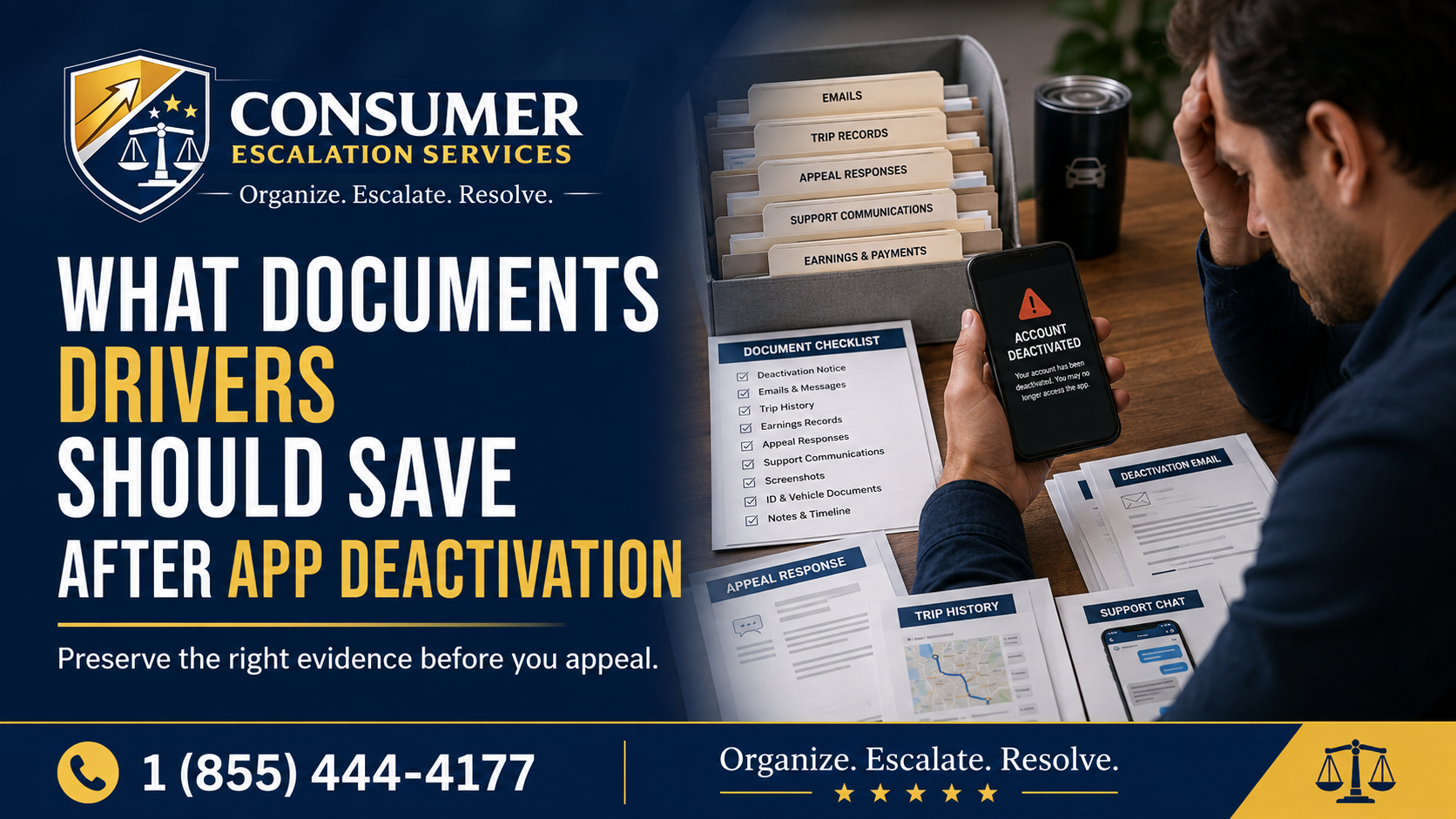
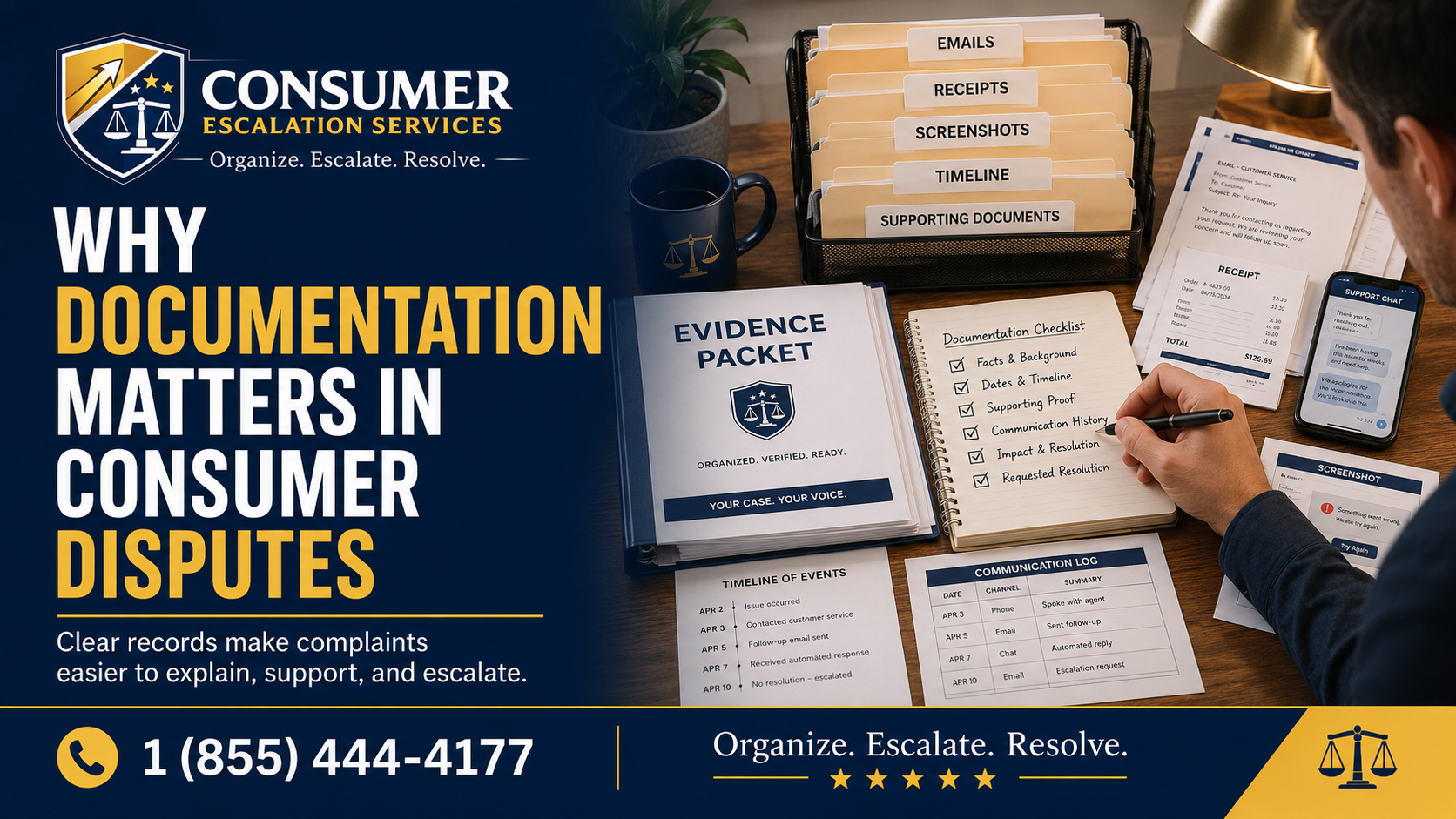
Depending on the issue, this may include:
- Receipts
- Contracts
- Invoices
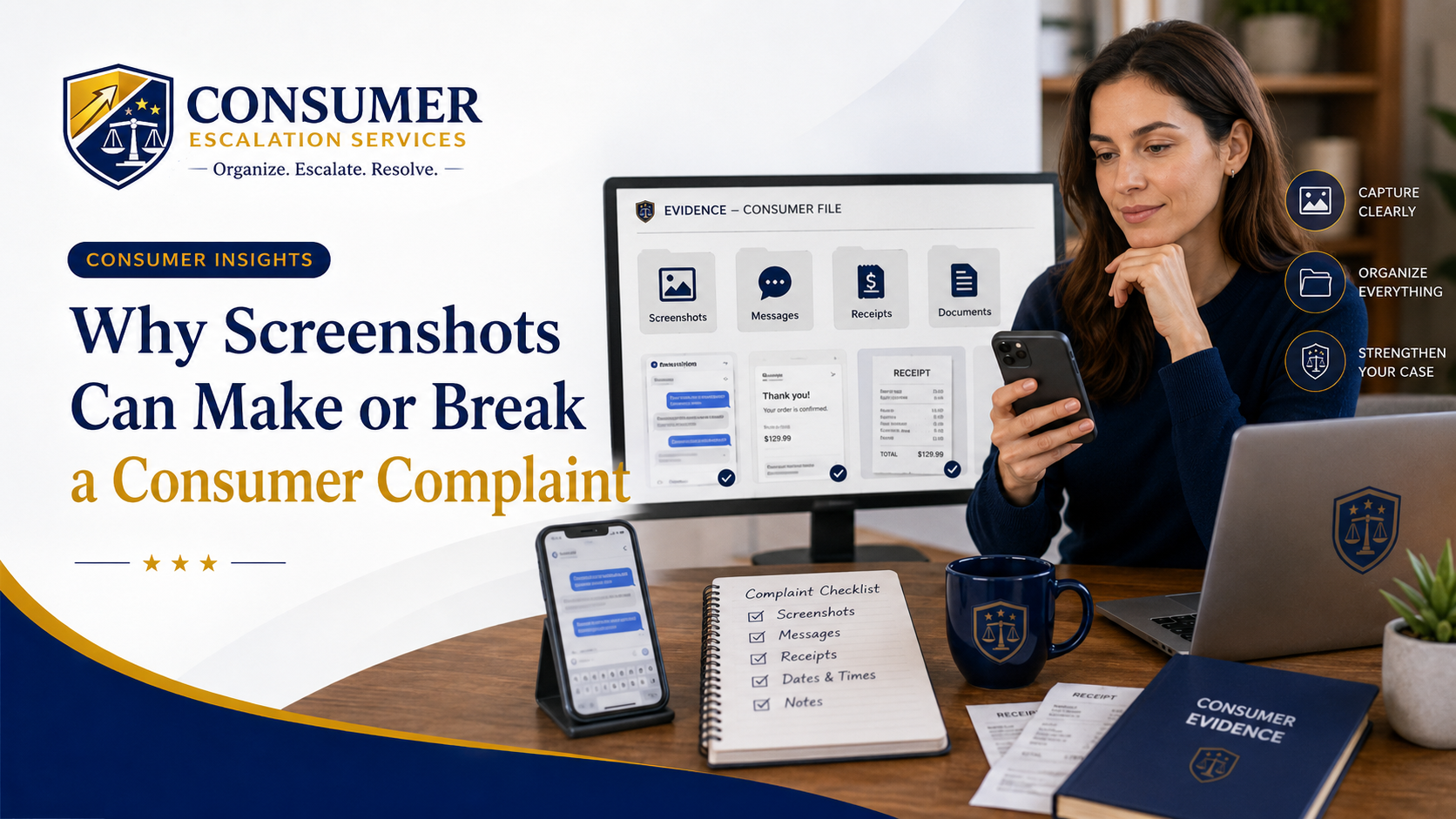
- Screenshots
- Account notices
- Refund promises
- Email threads
- Chat transcripts
- Cancellation confirmations
- Photos or videos
- Repair estimates
- Delivery confirmations
- Policy pages
- Claim forms
- Prior customer service responses
The goal is not to overwhelm the company with random attachments. The goal is to provide the documents that directly support the facts in your complaint.
If the company's decision appears to ignore a specific document, point that out clearly.
Ask for Clarification or Reconsideration Professionally
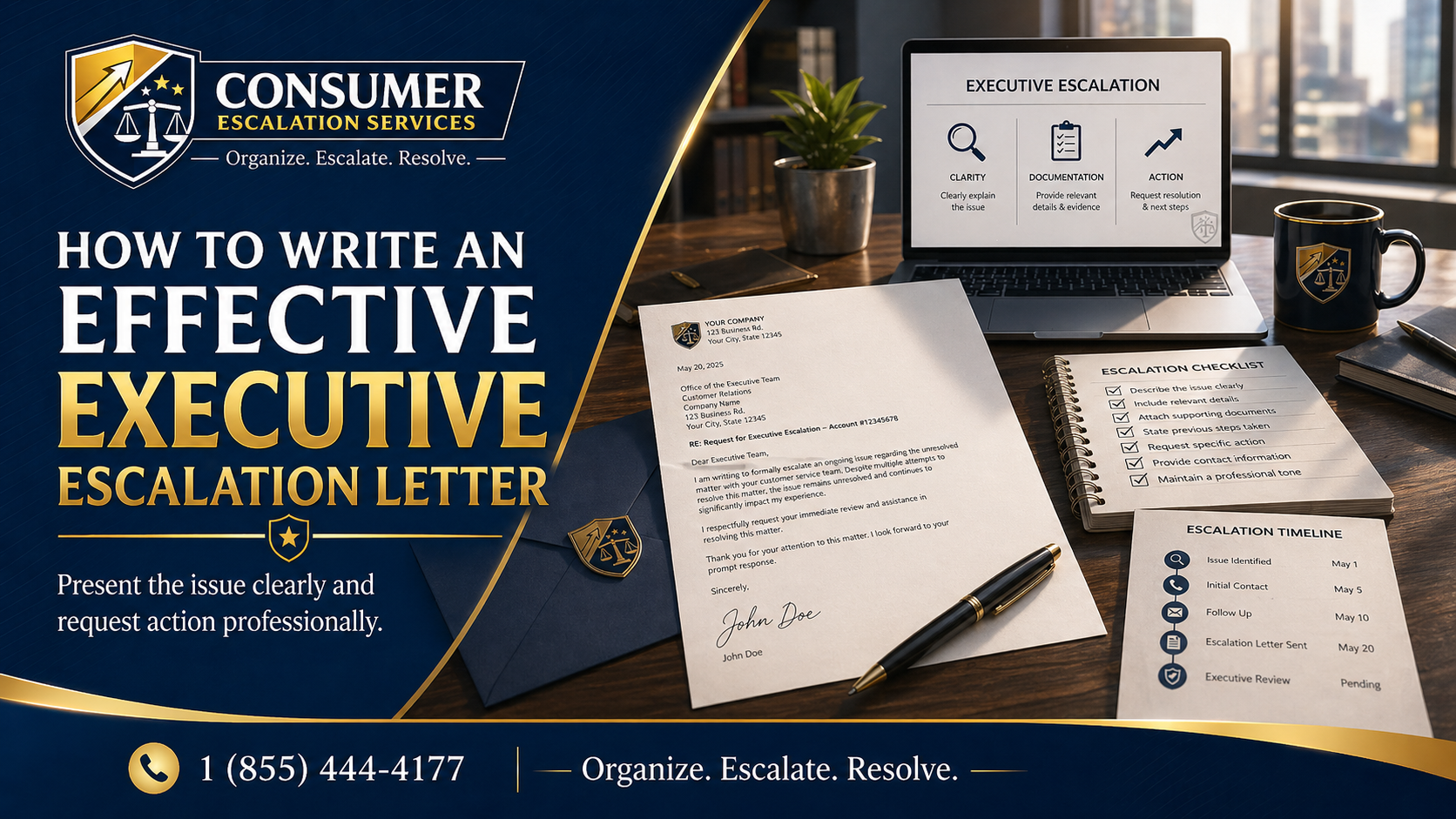
Once your records are organized, you may choose to send a written request asking for clarification, reconsideration, or higher-level review.
The tone matters.
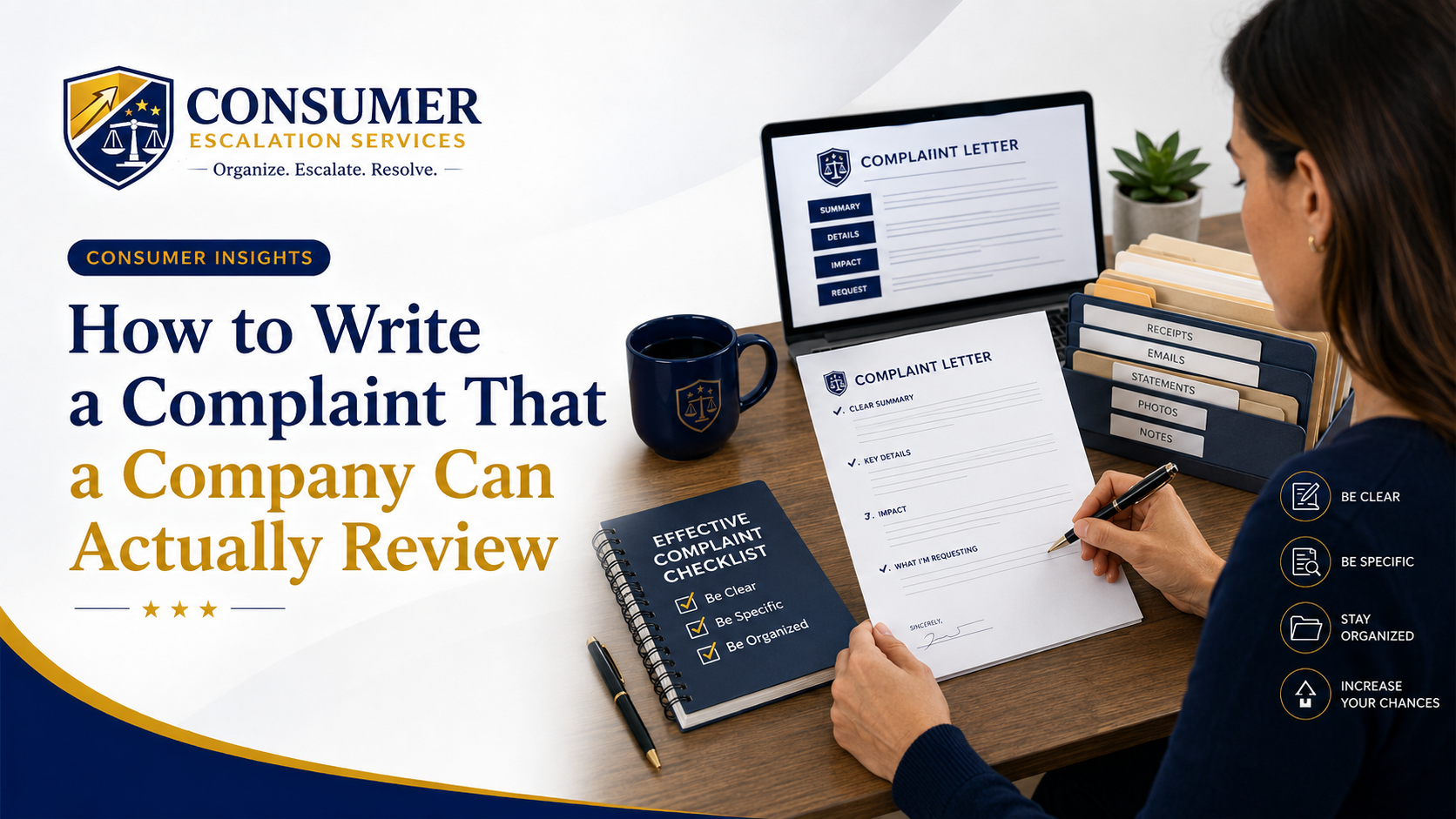
Avoid threats, insults, emotional accusations, or long unfocused storytelling. A professional message is more likely to be taken seriously.
A stronger approach may include:
- A short summary of the issue
- The date of the company's final decision
- The reason you believe key facts were missed
- A list of attached documents
- A clear requested resolution
- A request that the issue be reviewed by an appropriate department
For example:
I understand your department stated this was a final decision. However, I am requesting one additional review because the response does not appear to address the attached cancellation confirmation and the written refund approval I received from customer support.
This kind of wording stays focused, factual, and professional.
Know When the Issue May Need a Different Path
Some disputes may require steps beyond regular customer service.
Depending on the type of complaint, consumers may consider appropriate nonlegal complaint channels, regulatory agencies, consumer protection offices, platform appeal processes, insurance claim reviews, banking complaint channels, marketplace dispute processes, or attorney guidance where legal rights or contract interpretation are involved.
Consumer Escalation Services does not provide legal advice and does not determine whether a company violated the law. But consumers can still benefit from organizing the facts, documents, timeline, and requested resolution before deciding what step comes next.
Final Thought
A company saying "final decision" can be discouraging, but it should not cause you to lose control of your records.
Before giving up, make sure you have:
- The decision in writing
- The reason for the decision
- A clean timeline
- Supporting documents
- A professional written response
- A clear requested resolution
A final decision may be the end of one customer service path, but it may not be the end of your ability to present the issue clearly, professionally, and in an organized way.