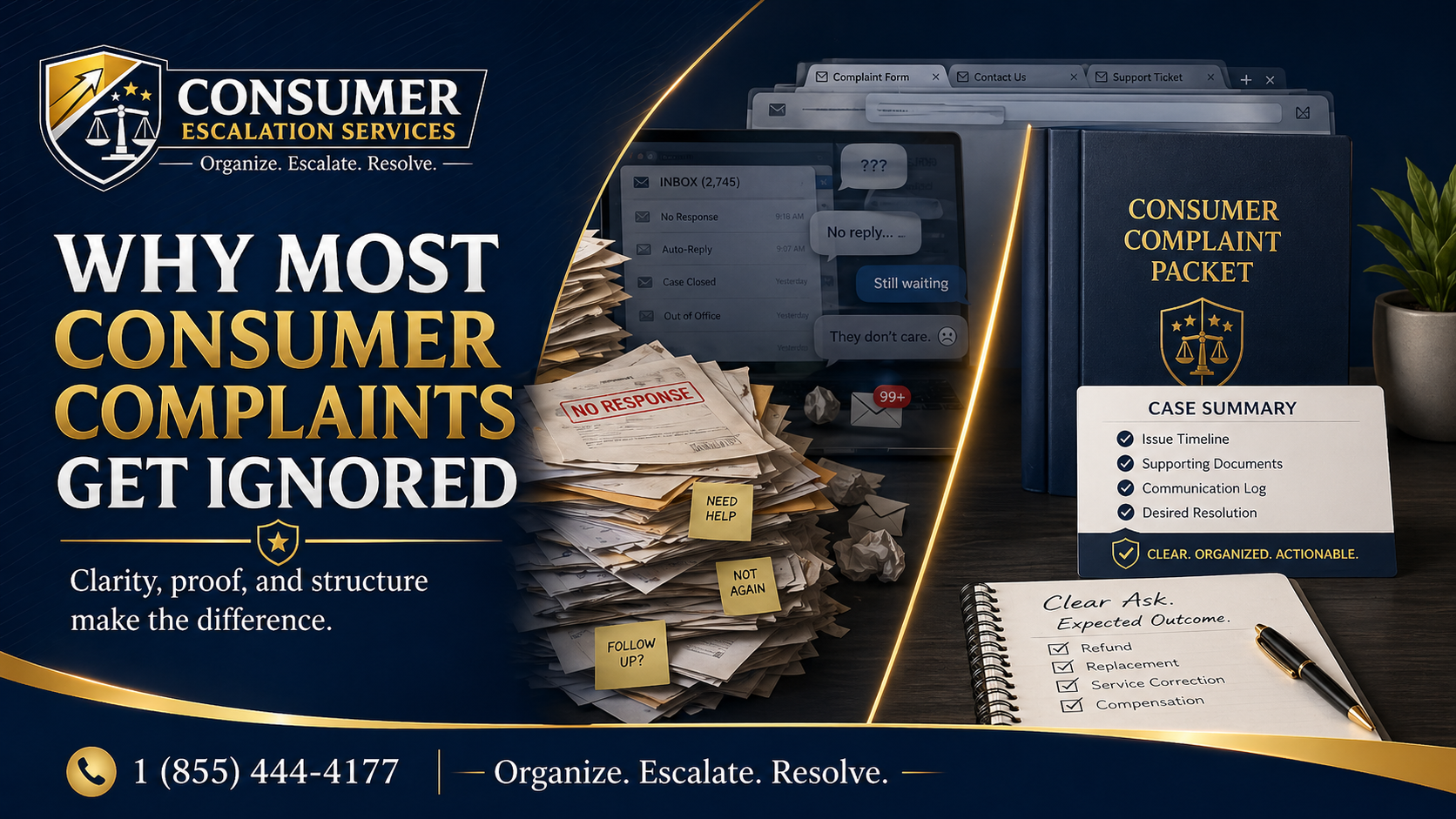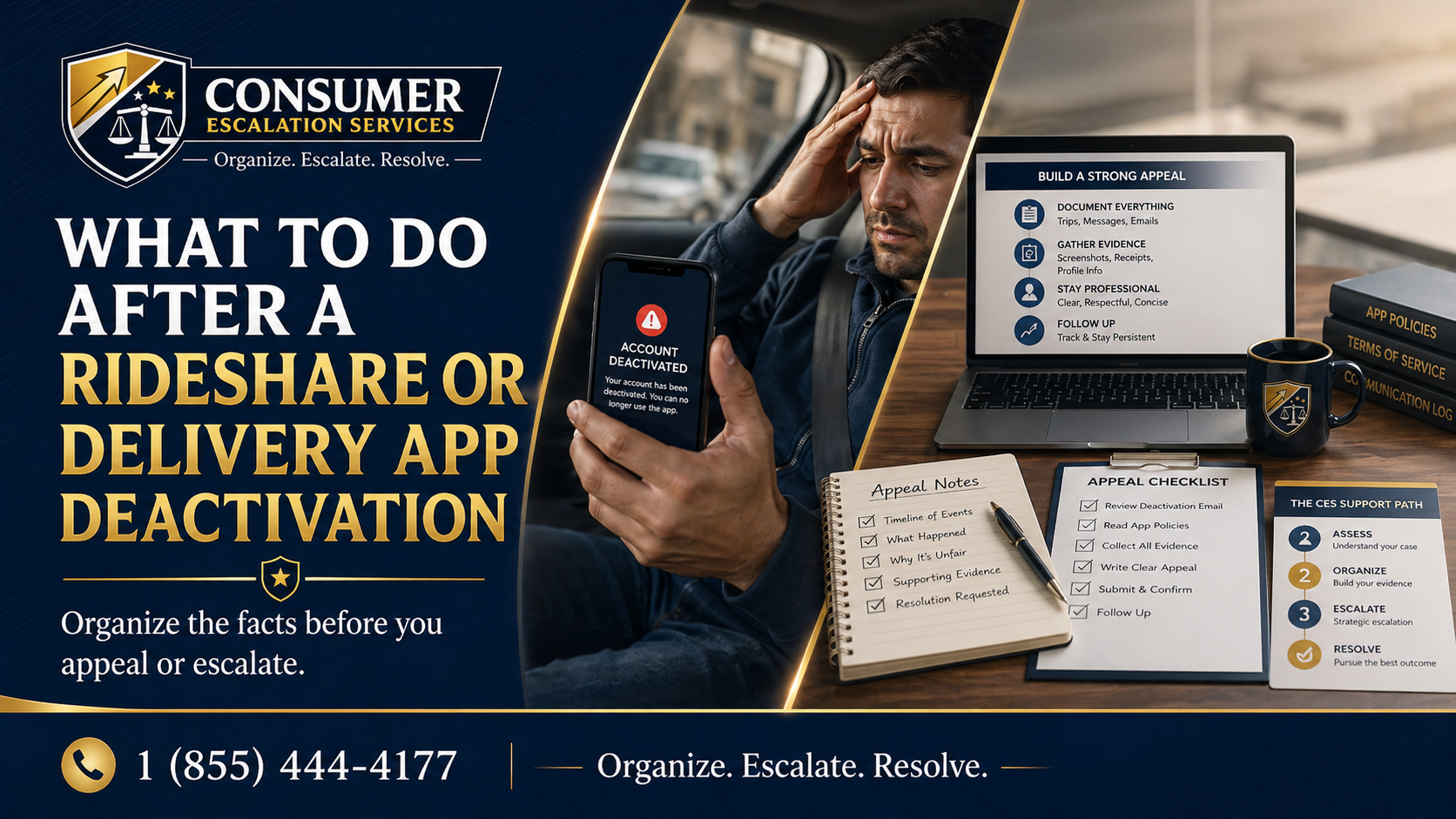
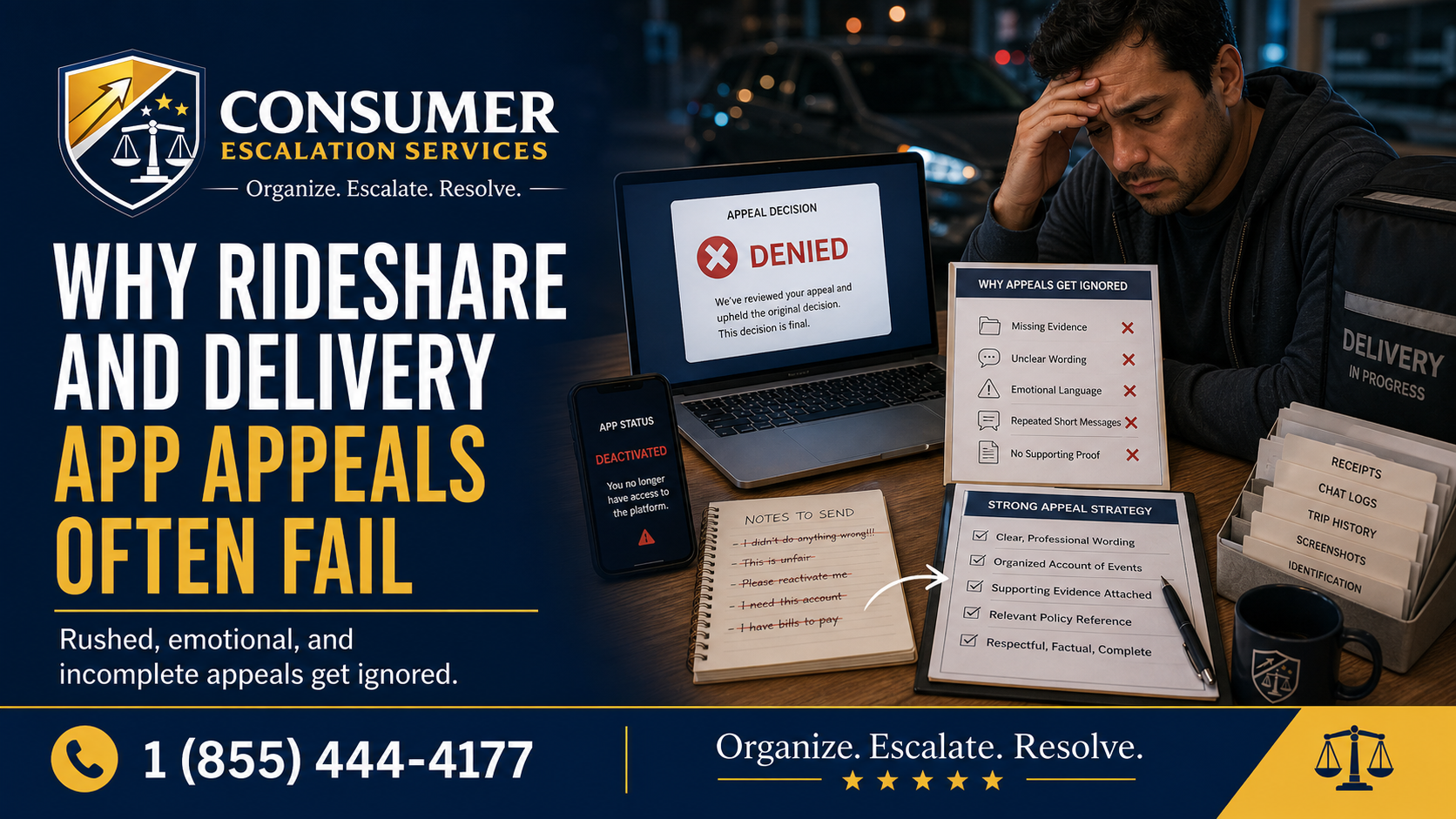
Rideshare and delivery app appeals often fail for reasons that have nothing to do with whether the driver is sincere. Many drivers care deeply about their work, but their appeal still does not give the company enough organized information to review.
Emotion Replaces Structure
A driver may write that the deactivation is unfair, that they need the income, or that the company made a mistake. Those feelings may be real, but they do not always answer the company’s core question: what happened, what evidence exists, and why should the account be reviewed again?
Missing Documentation
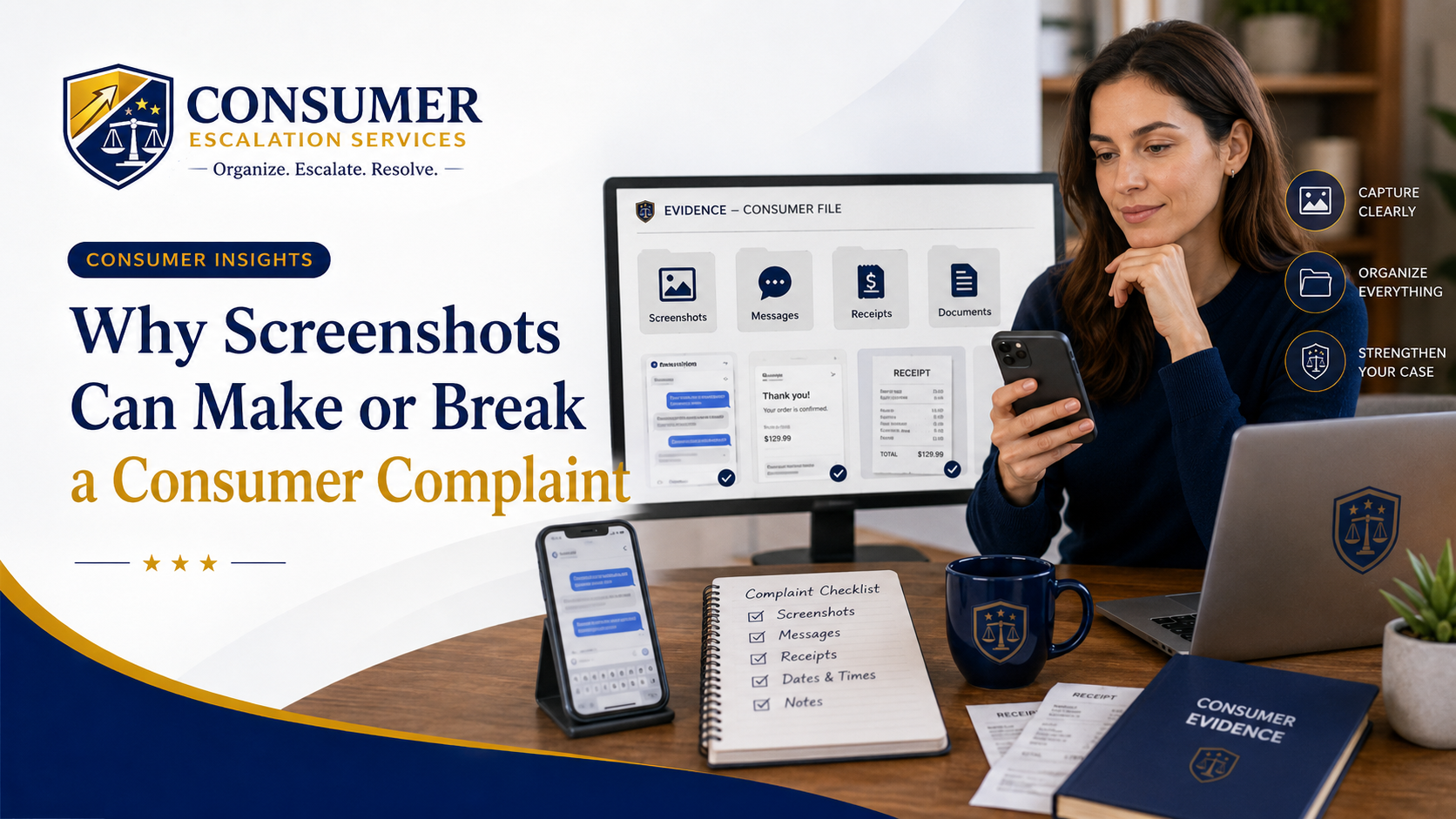
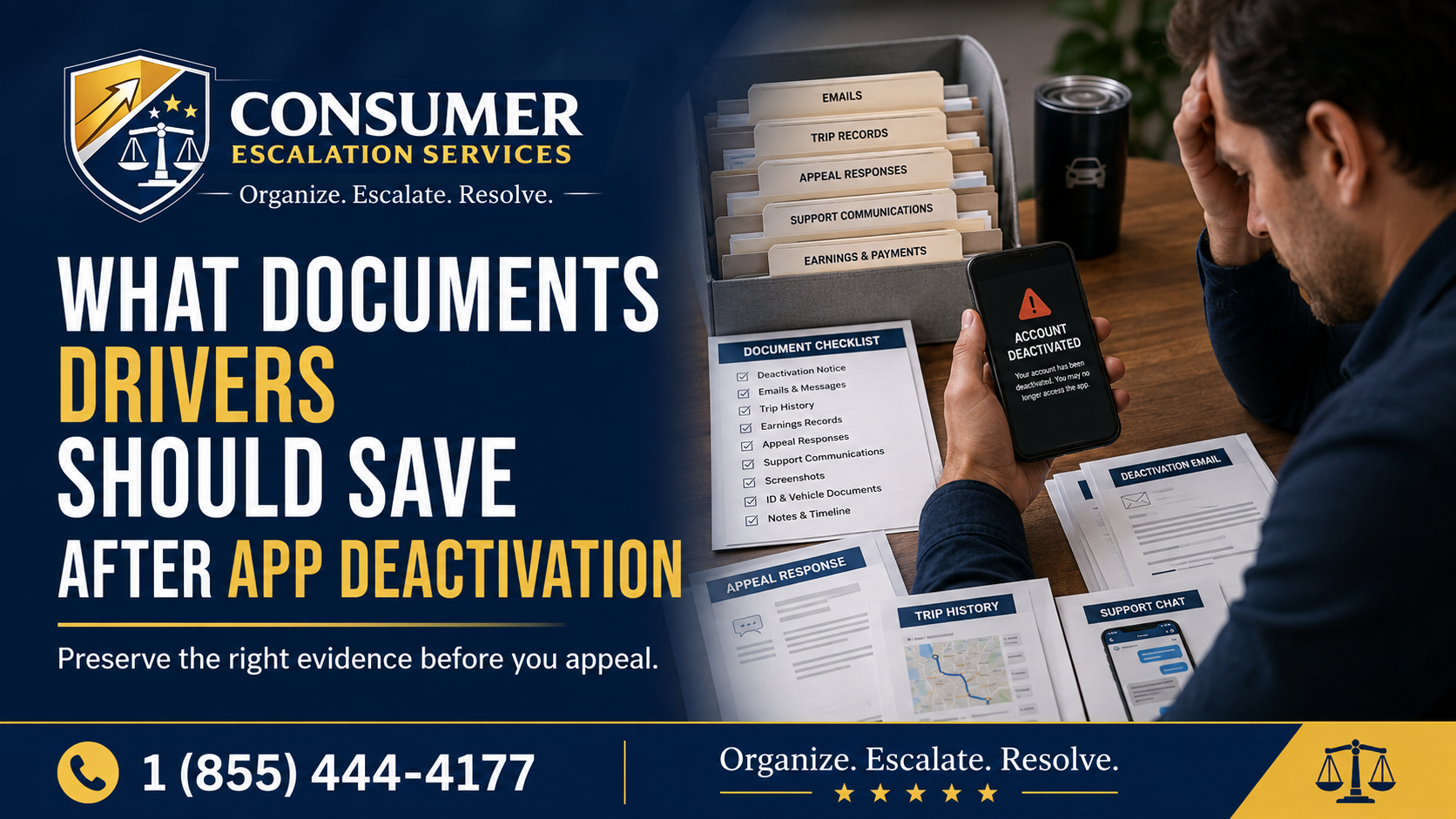
Drivers often submit appeals without screenshots, emails, timeline details, trip information, customer communication, account history, or proof that supports their explanation. A reviewer may only see a short statement without enough facts to evaluate.
Unclear or Disorganized Wording
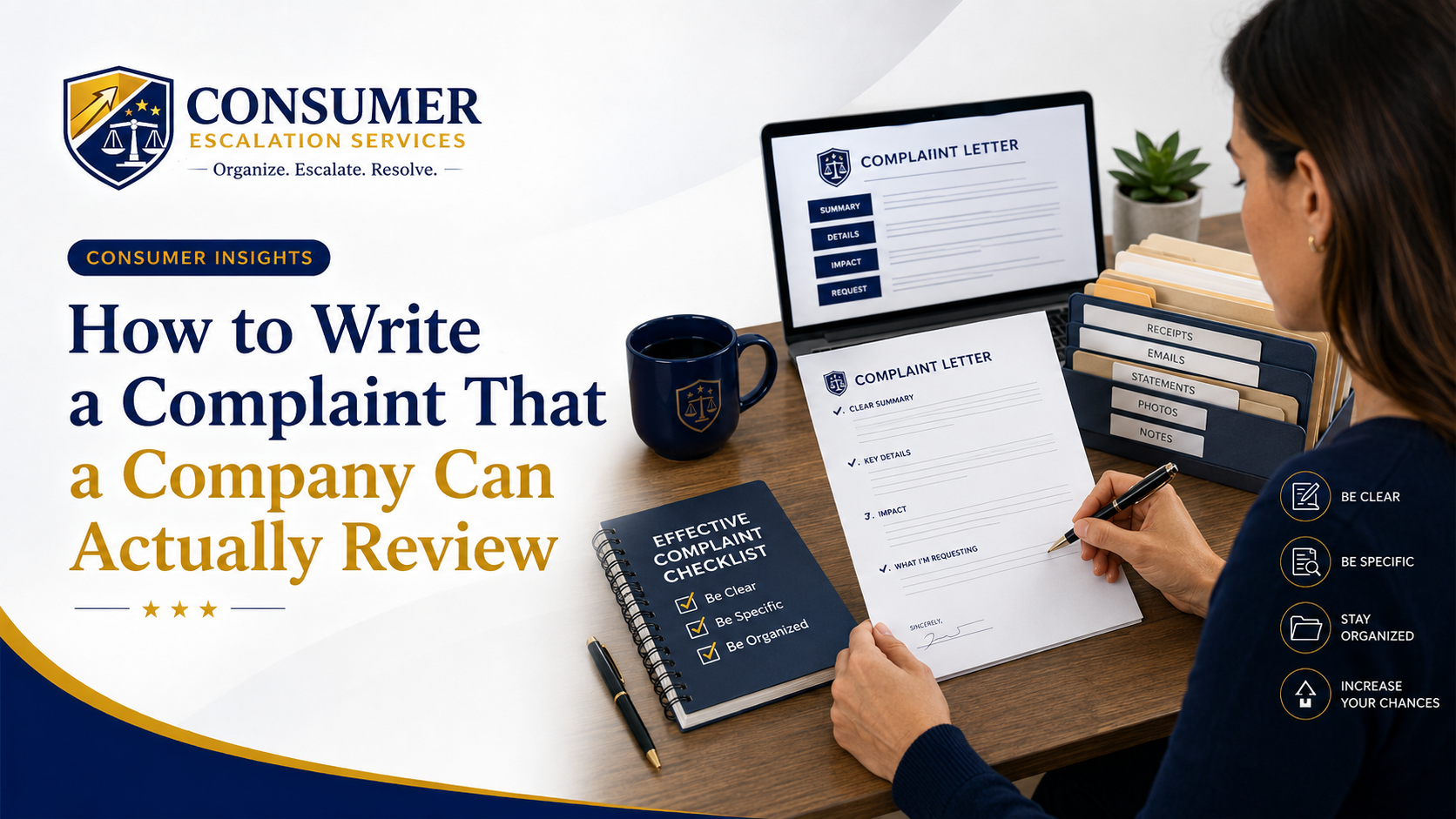
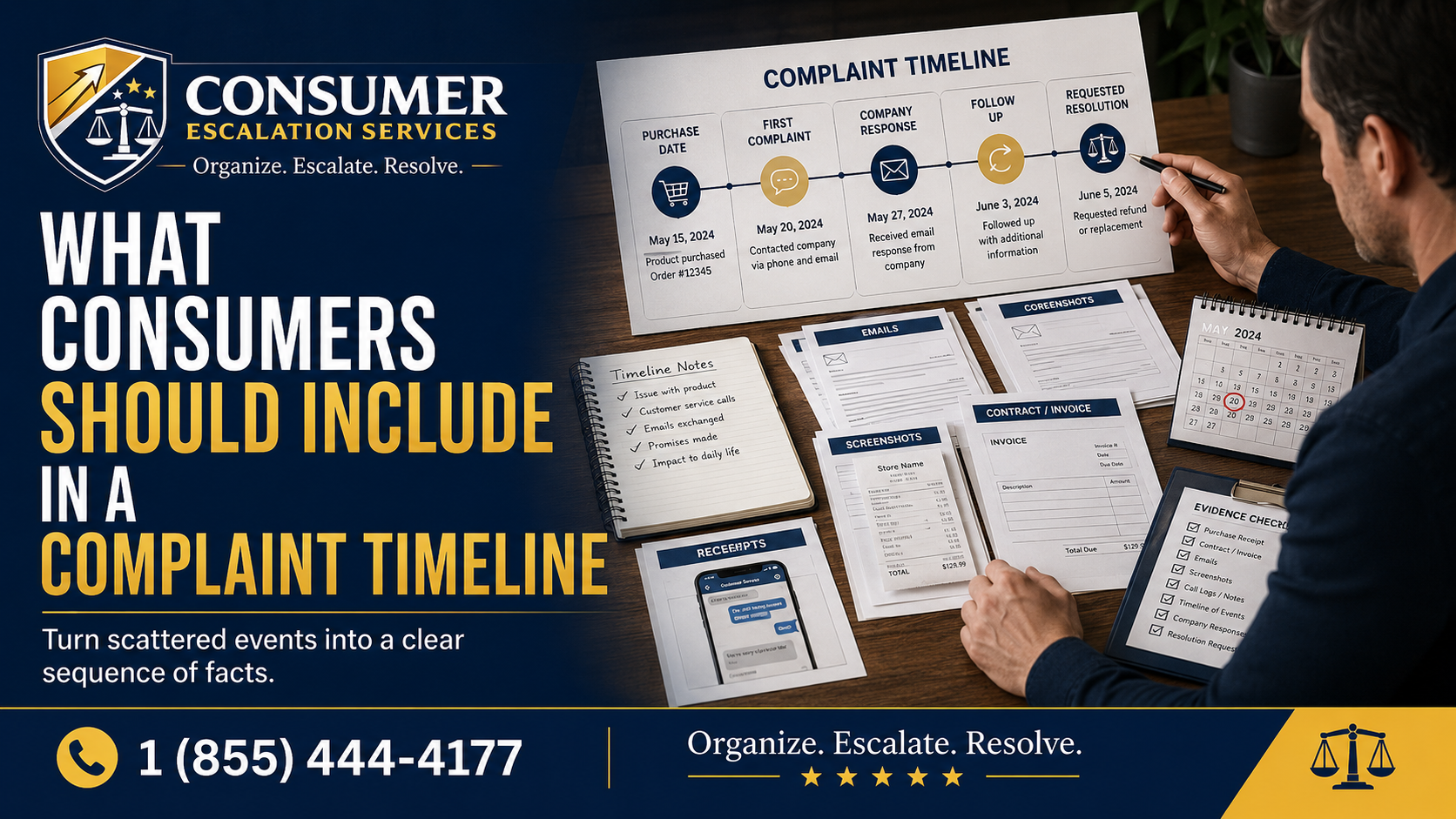
If the appeal jumps between dates, incidents, emotions, and accusations, it becomes difficult to follow. A clear appeal should explain the situation in a calm sequence. It should identify the platform’s stated reason, the driver’s response, the supporting facts, and the requested outcome.
Not Addressing the Specific Issue
Some appeals fail because the driver does not address the specific issue. If the company says the deactivation relates to safety, identity, fraud, customer complaints, documents, background check concerns, or platform policy, the response needs to focus on that issue directly.
What Makes a Stronger Appeal
Drivers should also avoid sending repeated short messages that do not add new information. Repeating the same unsupported appeal can make the case look weaker.
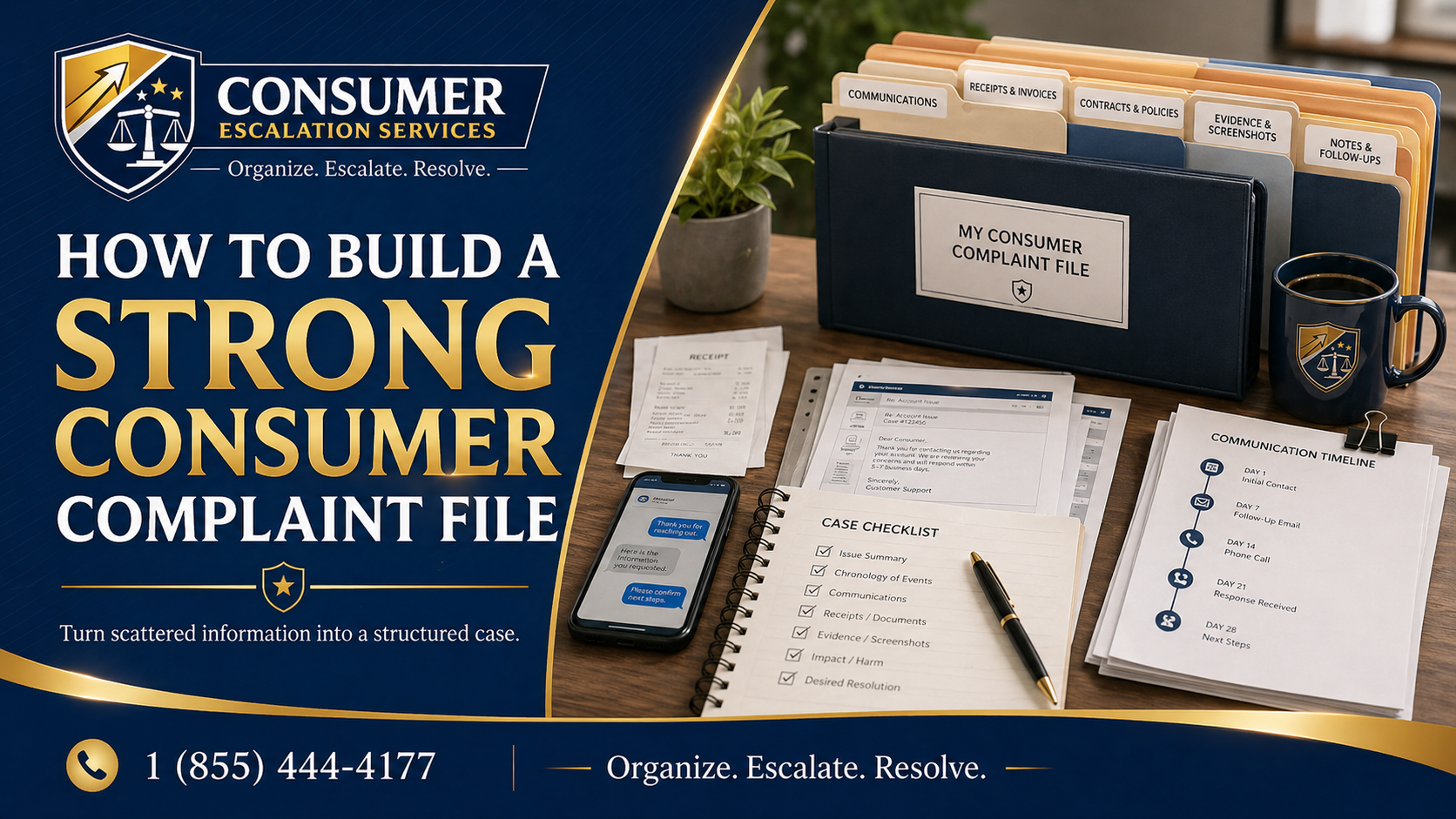
Consumer Escalation Services helps drivers organize their facts, create timelines, identify missing information, and prepare clearer appeal materials. CES does not control any platform’s decision and does not guarantee reinstatement.