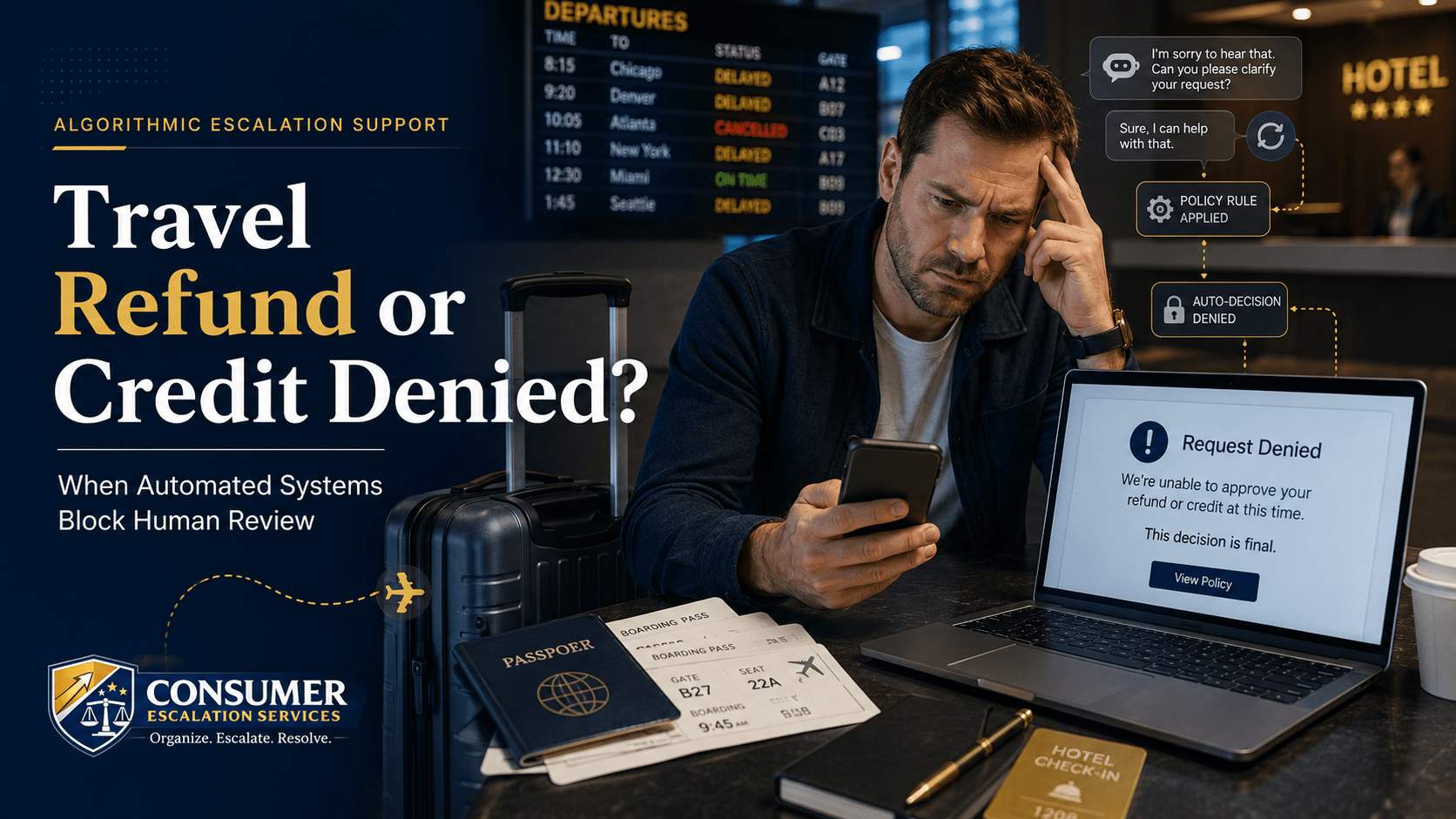
When an airline, hotel, cruise line, or booking platform denies a refund, credit, or reimbursement, it can feel like the decision was made by a person who reviewed your file. In most cases, it was not. Travel companies run refund and reimbursement requests through fare-rule engines, policy filters, chatbot triage, and scripted support pathways before a human ever sees the file.
That is why a perfectly reasonable complaint can come back with a refusal that quotes a policy code instead of the facts. The system only sees the code.
Why Automated Systems Deny Travel Refunds and Credits
Travel companies typically combine three layers:
- Fare-rule and policy engines that check the booking class, ticket type, cancellation reason, and timing against pre-set refund eligibility.
- Chatbot and scripted support that handle the first contact and resolve "in-policy" requests instantly.
- Automated routing that decides which complaints go to a human agent, a supervisor, or back into the general queue.
If your situation is unusual — a flight canceled by the airline but rebooked at higher cost, a hotel that did not provide the promised room, a travel credit that never applied, or a service failure not in the fare-rule menu — the automated layer often cannot evaluate it correctly. The system rejects what it does not recognize.
Common Problems Travelers See
- Flight canceled or delayed, and the refund portal will only offer a credit.
- Hotel did not deliver the promised room, view, or amenity, and the front desk pointed at the booking platform.
- Travel credit was issued but never applied at check-in or rebooking.
- Booking platform says the airline or hotel is responsible — the airline or hotel says the booking platform is responsible.
- Every response is signed by a different agent but uses identical language.
- A chatbot keeps offering the same in-policy options and will not transfer to a human.
What You Can Try First
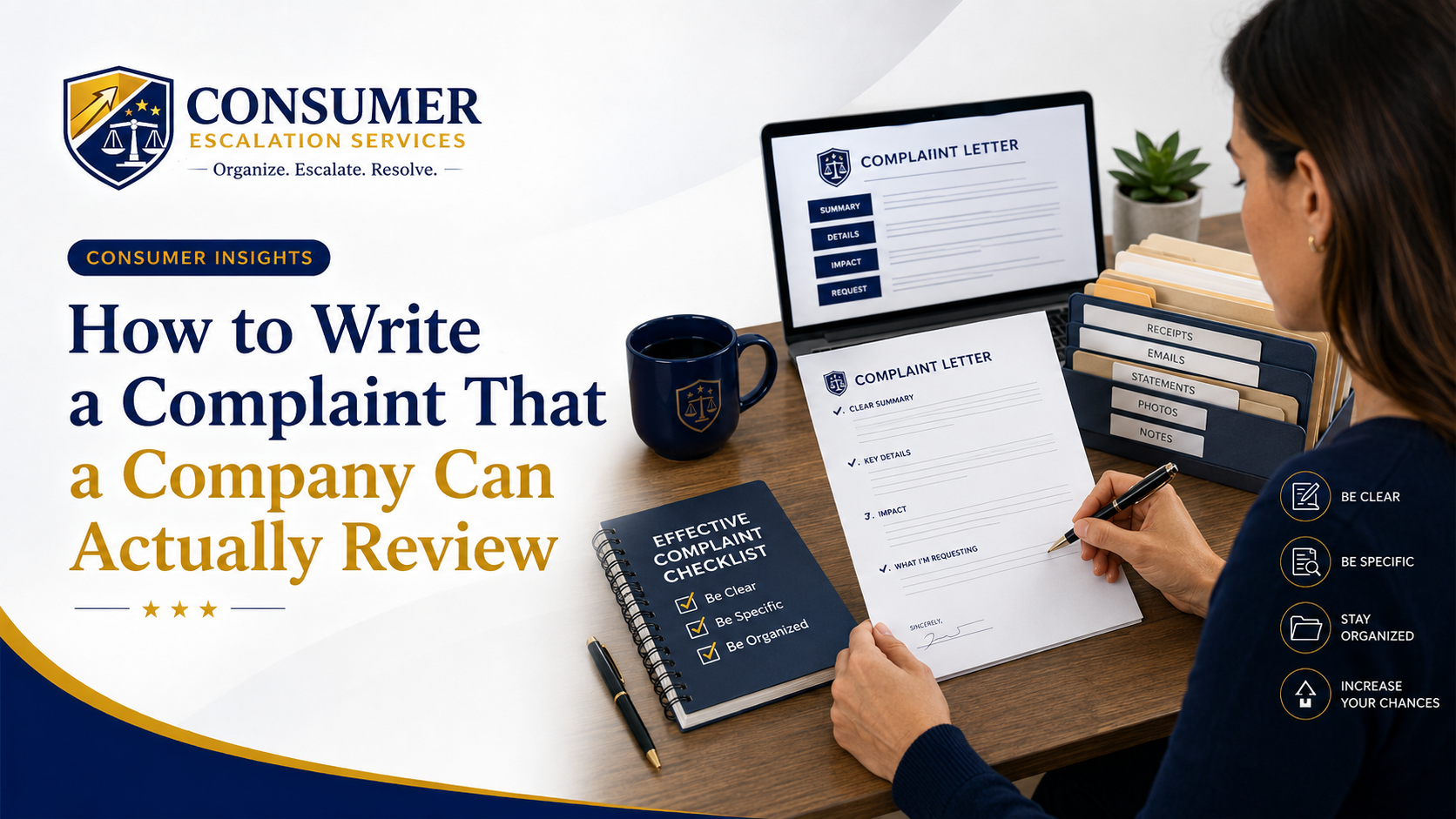
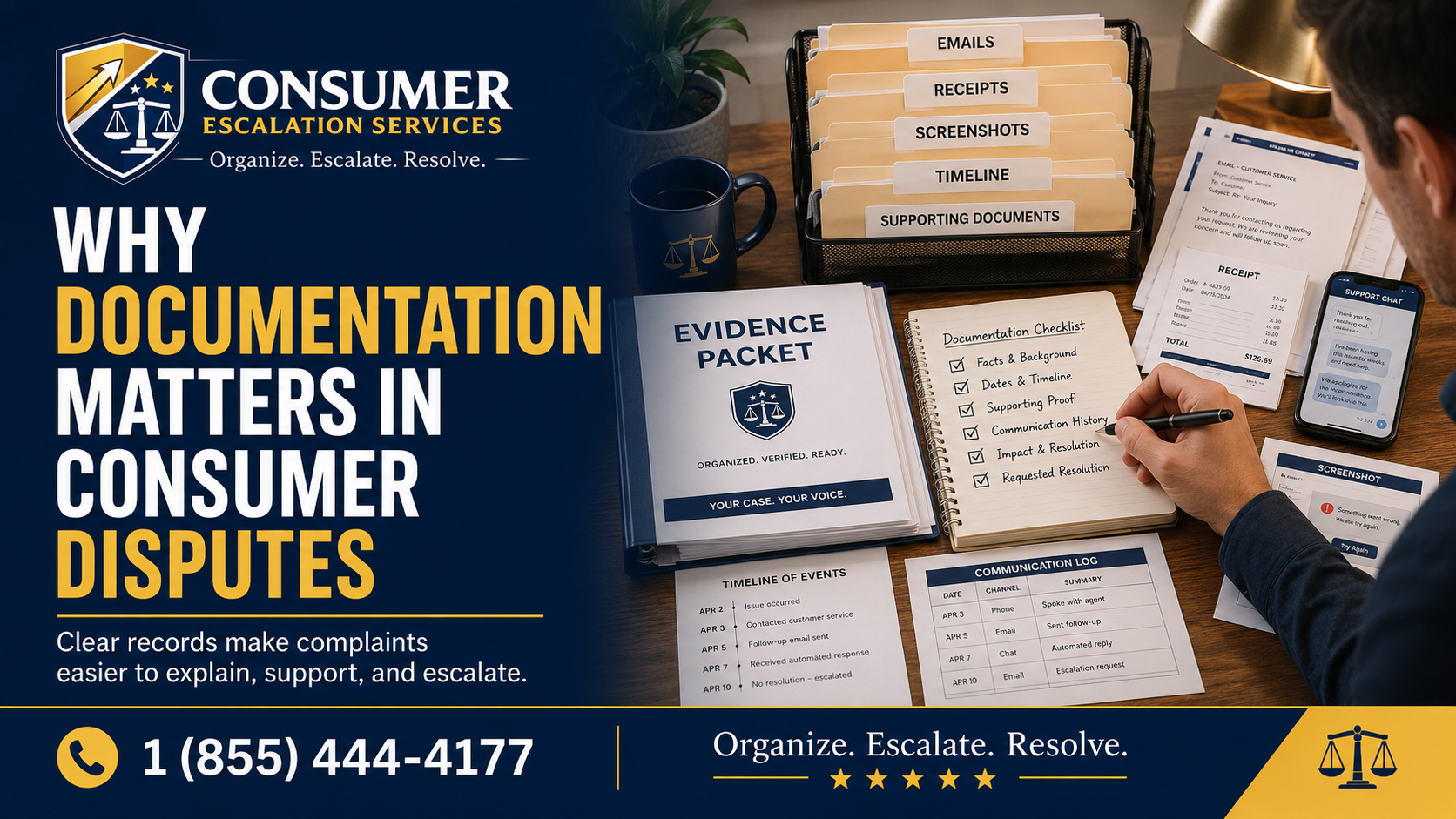
Before escalating, get your record clean. A clear travel complaint has three parts: what was promised, what actually happened, and what you are asking for.
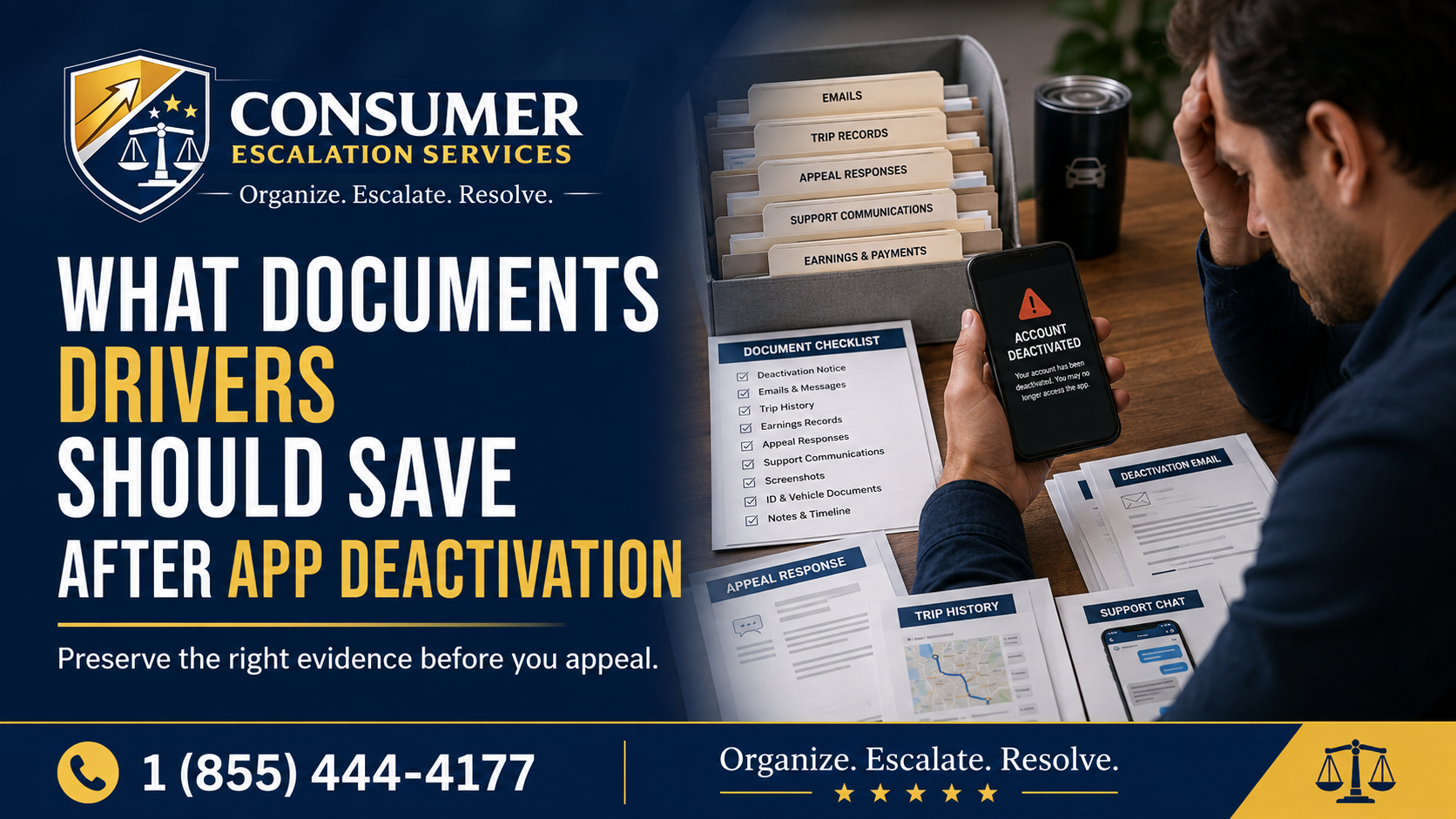
- Save the original itinerary, booking confirmation, and receipt.
- Save any cancellation, delay, or schedule-change notice from the airline, hotel, or platform.
- Capture screenshots of every chatbot exchange and support reply.
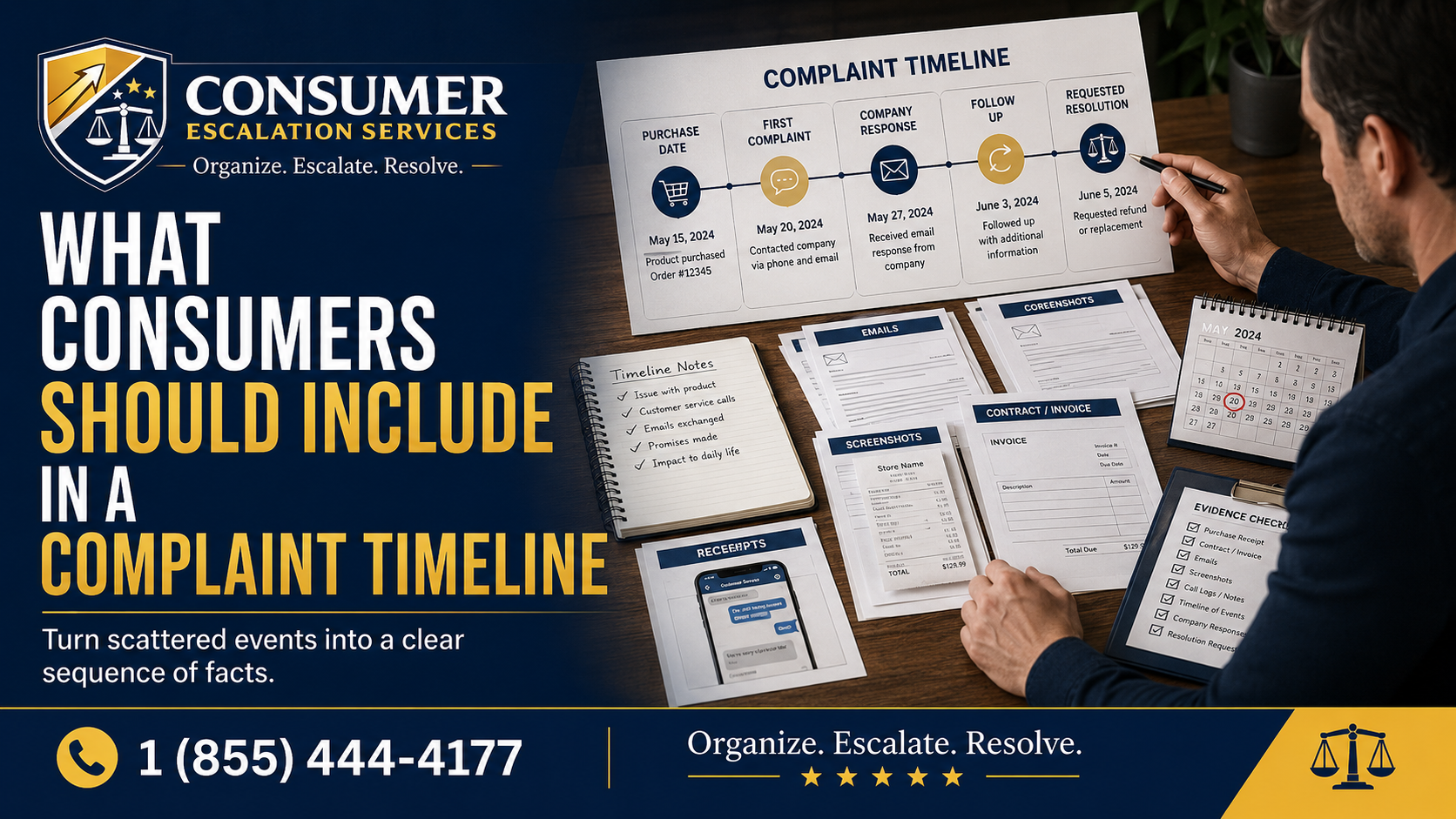
- Build a date-by-date timeline: booking date, scheduled service date, disruption date, first contact, every response since.
- State the exact dollar amount you are requesting and how you calculated it (refund, partial refund, fare difference, hotel night, taxes, etc.).
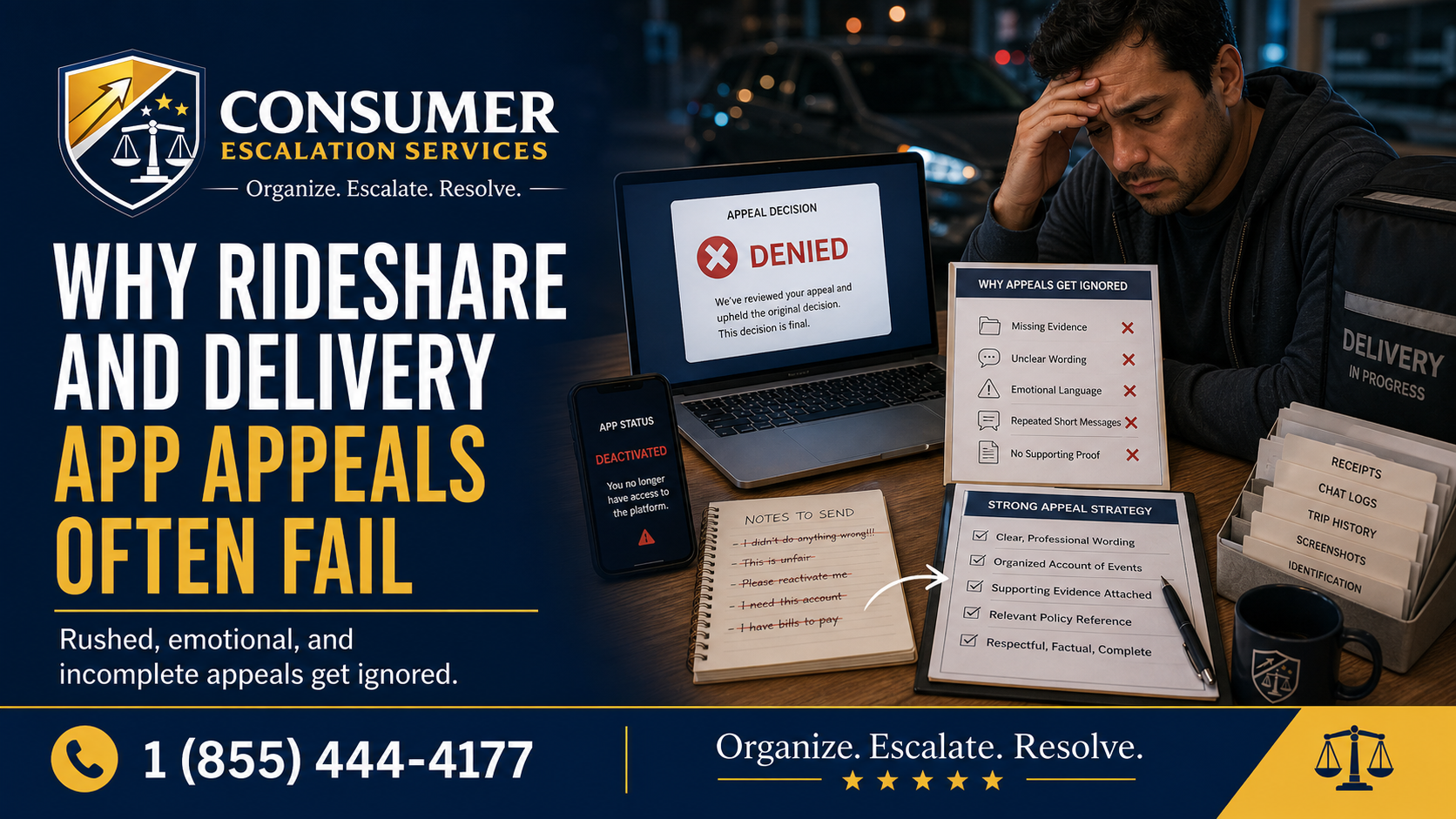
- Separate emotional frustration from factual proof. Two separate notes are fine; one mixed note weakens both.
What Evidence to Gather
- Confirmation emails and original receipts (PDF copies, not links — links expire).
- Boarding passes, hotel folios, and check-in screenshots.
- Cancellation, delay, or rebooking notices in writing.
- Photos of any room, service, or product that did not match the booking.
- Chat transcripts and the full email thread with every agent name and timestamp.
- Credit card statement showing the original charge and any partial refund applied.
- Travel-credit confirmation, expiration date, and the booking where it should have applied.
How to Request Human Review
Ask in writing — politely and specifically — for a manual review or supervisor escalation. Useful phrases:
- "Please confirm whether this denial was reviewed by a person or returned by an automated policy engine."
- "Please provide the specific policy or fare-rule code that supports the denial."
- "I am requesting supervisor or manual review of this case."
- "Please respond to the specific facts in the attached timeline, not to a policy summary."
Avoid starting multiple disconnected claims (one with the airline, one with the hotel, one with the booking platform) that confuse the record. Pick the right counterparty first.
When It May Be Time to Escalate
- You are stuck between the airline, the hotel, and the booking platform with no one accepting responsibility.
- Every response appears to be from a chatbot or automated reply, even after you asked for a human.
- The denial does not address the actual facts you submitted.
- The amount in dispute is meaningful enough to justify a professional escalation package.
How CES Can Help Organize the Complaint
Consumer Escalation Services helps travelers organize the booking record, the disruption timeline, the evidence index, and the professional escalation language used to push past automated denials. CES focuses on nonlegal complaint preparation — not lawsuits, arbitration, or guaranteed refunds. To see how CES approaches AI-driven and policy-engine denials across industries, visit the Algorithmic Escalation page.
Related Algorithmic Escalation Insights
- Rideshare or Delivery App Algorithmic Deactivation — /consumer-insights/rideshare-delivery-app-algorithmic-deactivation
- Flagged by an Automated Risk System (Account or Payment Blocked) — /consumer-insights/automated-risk-flag-account-payment-blocked
- Automated Refund or Warranty Claim Denied — /consumer-insights/automated-refund-warranty-claim-denied
- CES Algorithmic Escalation — /algorithmic-escalation
Final Thought
A travel denial quoted in policy language is not the end of the conversation. It is the automated layer doing its job. A professional escalation document, the right counterparty, and a clear ask for human review change what the next reviewer sees. Consumer Escalation Services is not a law firm, does not provide legal advice, and does not guarantee any outcome.