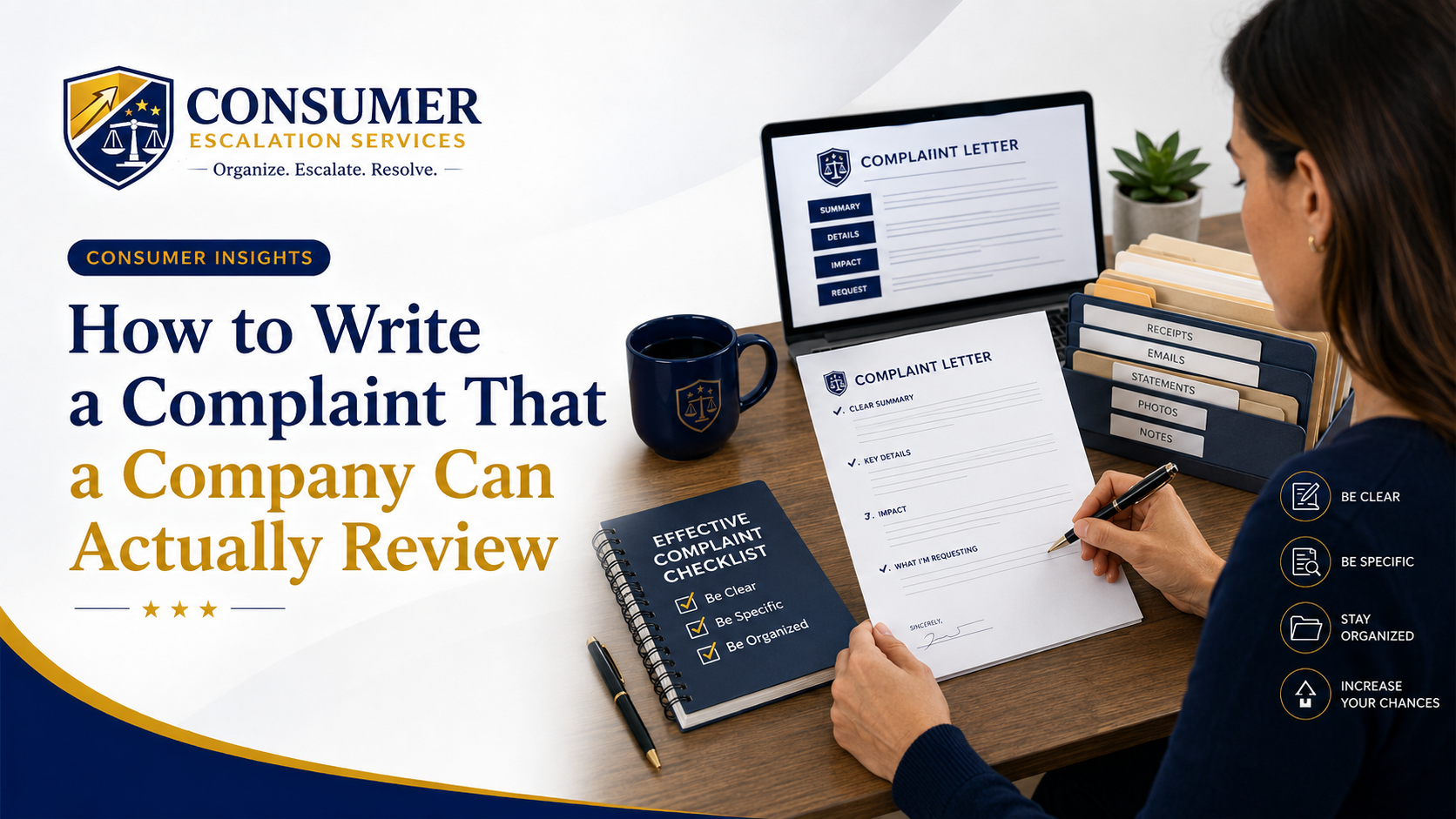
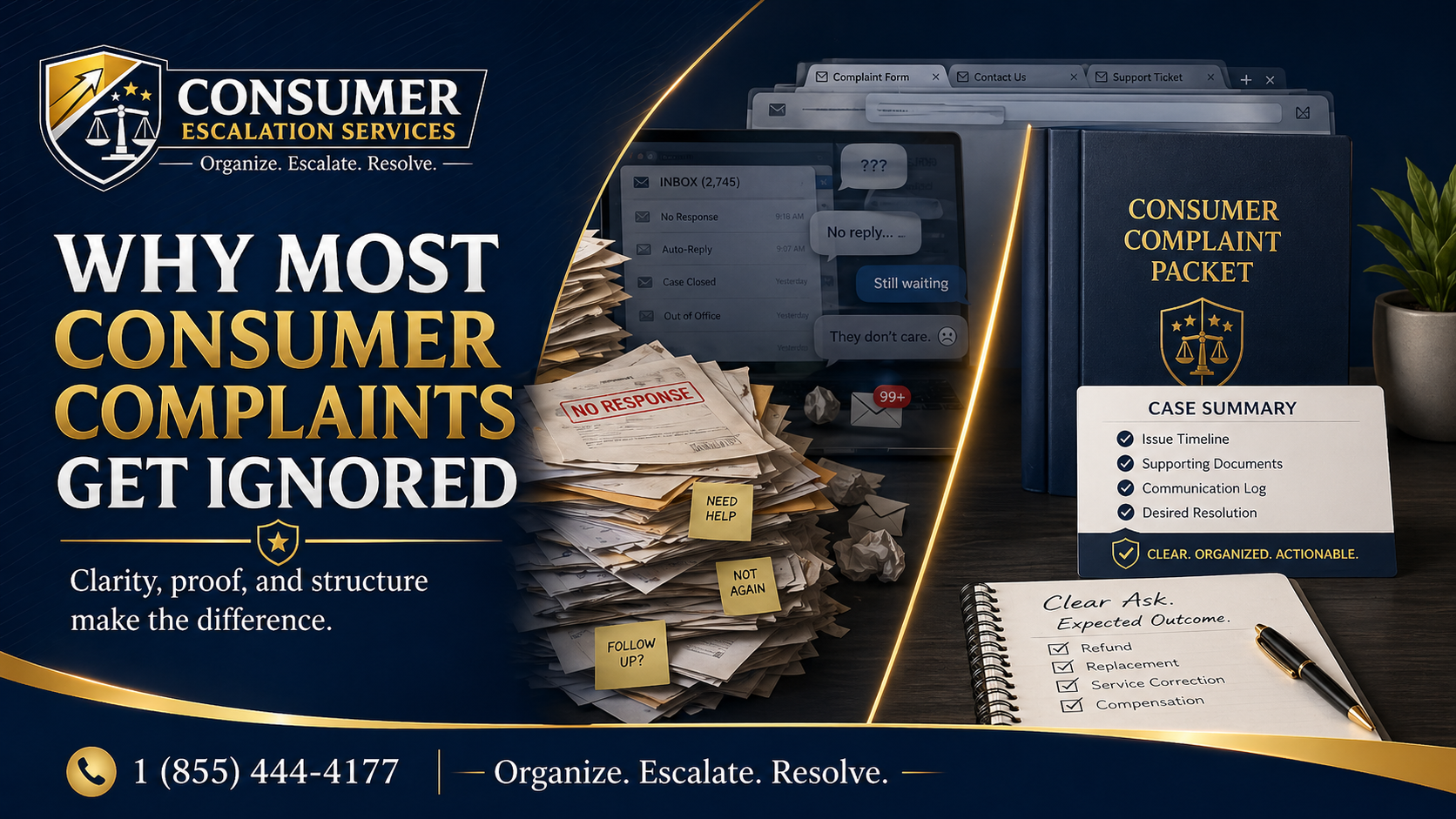
A complaint can be entirely valid and still go nowhere. That is the part most consumers do not realize until it has already happened to them. Being right is necessary, but it is not enough. The complaint also has to be readable.
Most Complaints Aren’t Wrong — They’re Hard to Read
Reviewers, agents, and supervisors are processing volume. The first read of any incoming complaint is usually a quick scan to figure out three things: what happened, what is being asked, and how clean the supporting story looks. If any of those three are unclear, the matter often gets a generic reply or quietly closed.
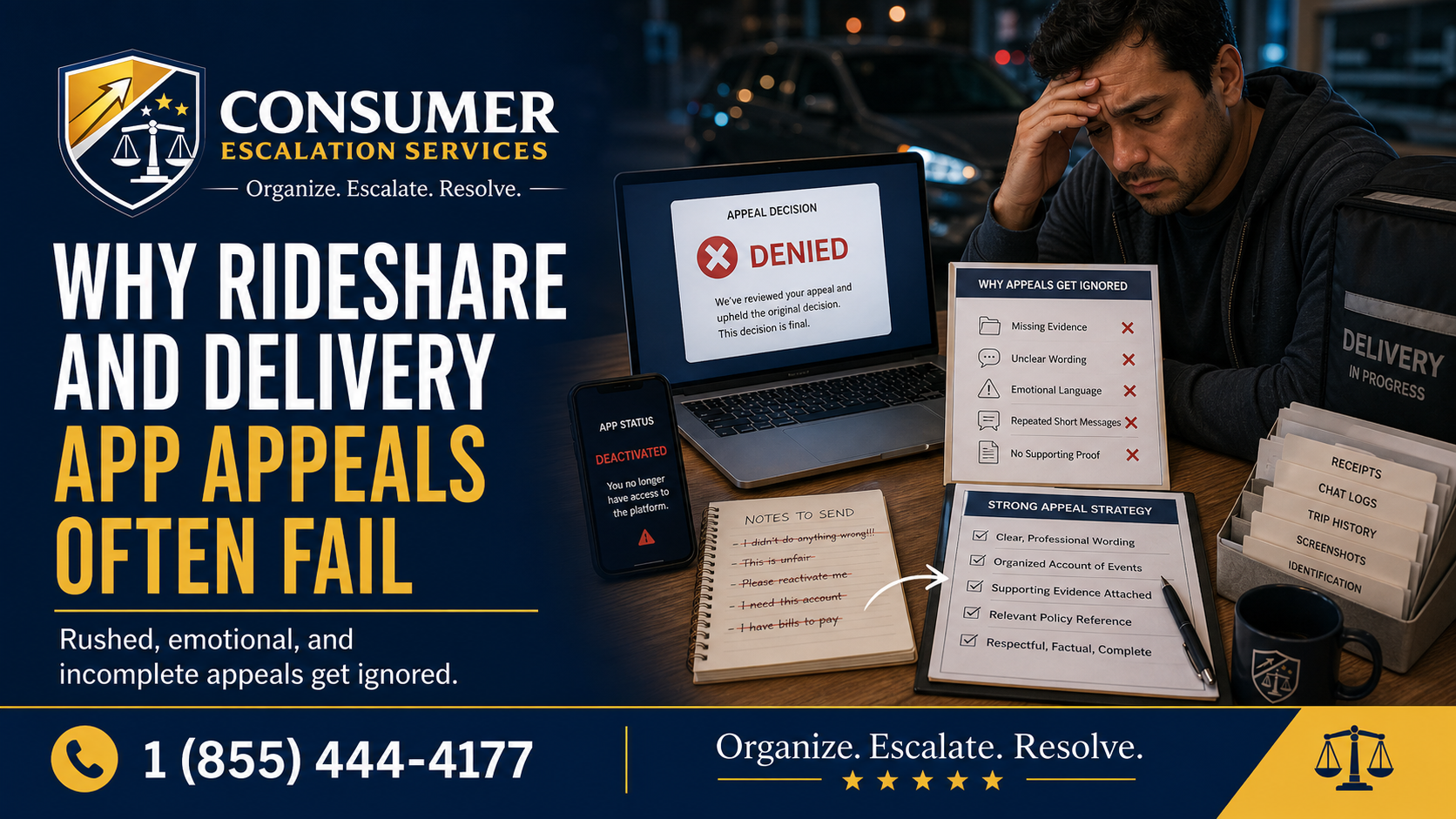
What Quietly Gets a Complaint Closed
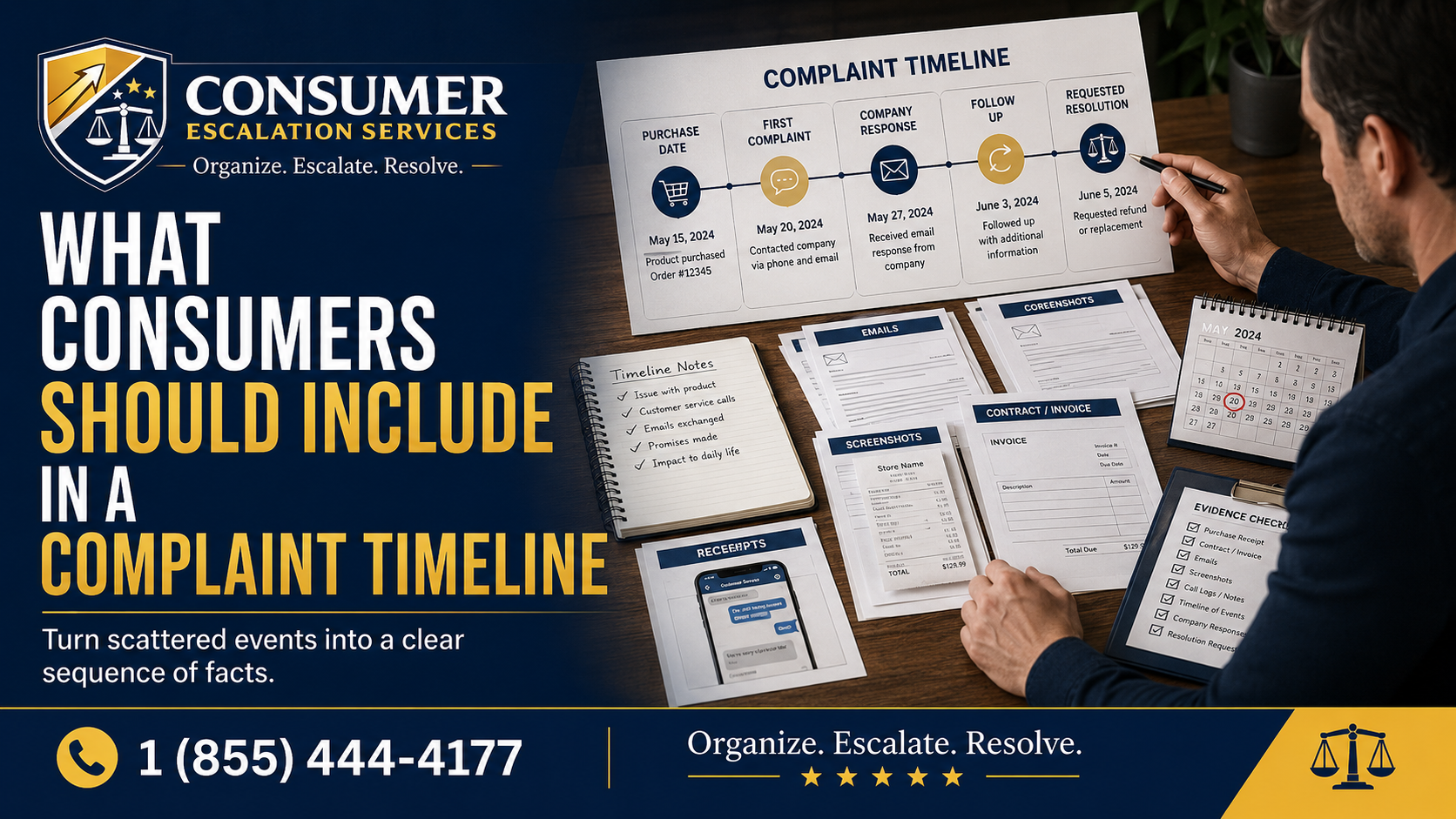
- No clear timeline of events
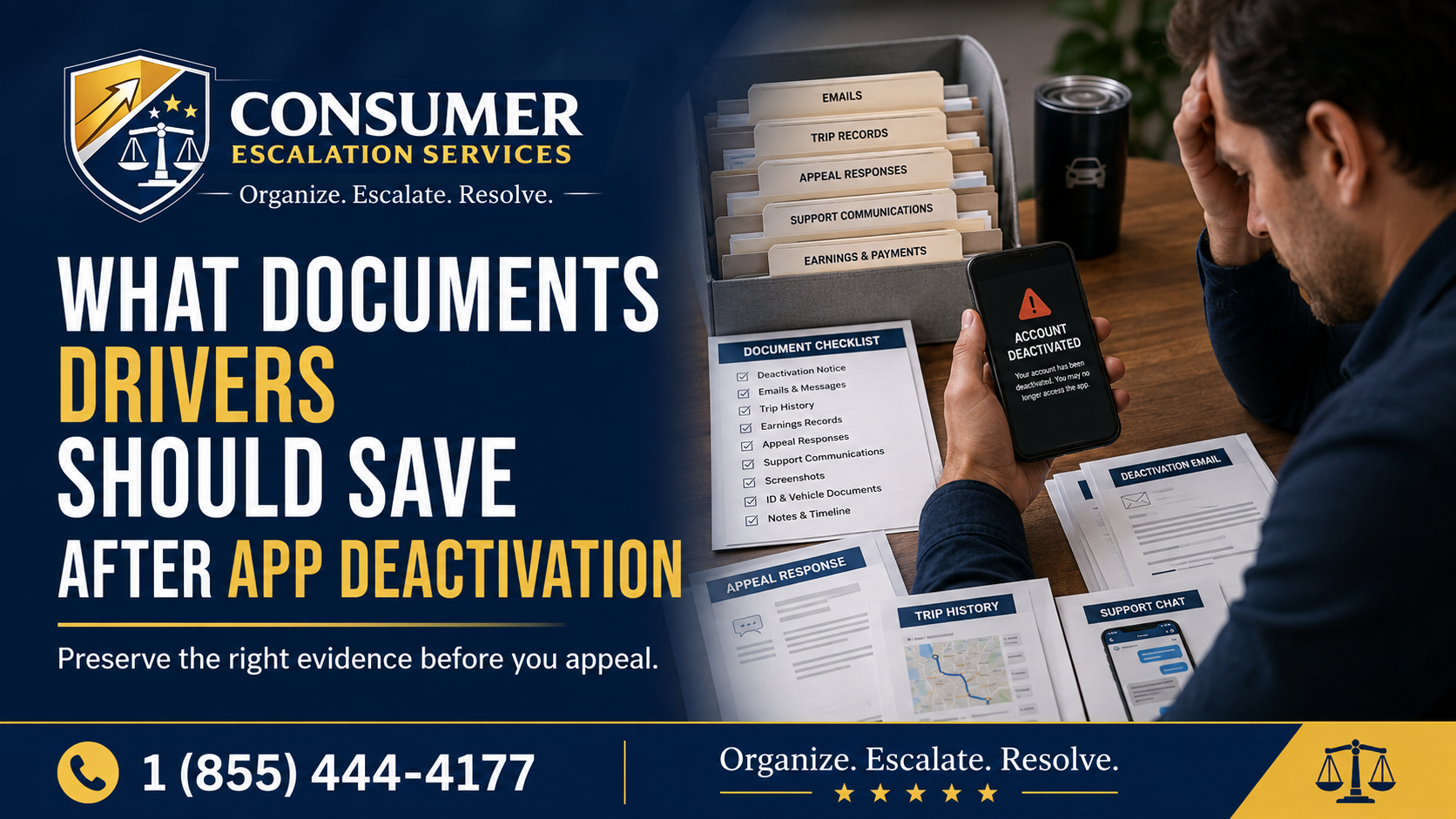
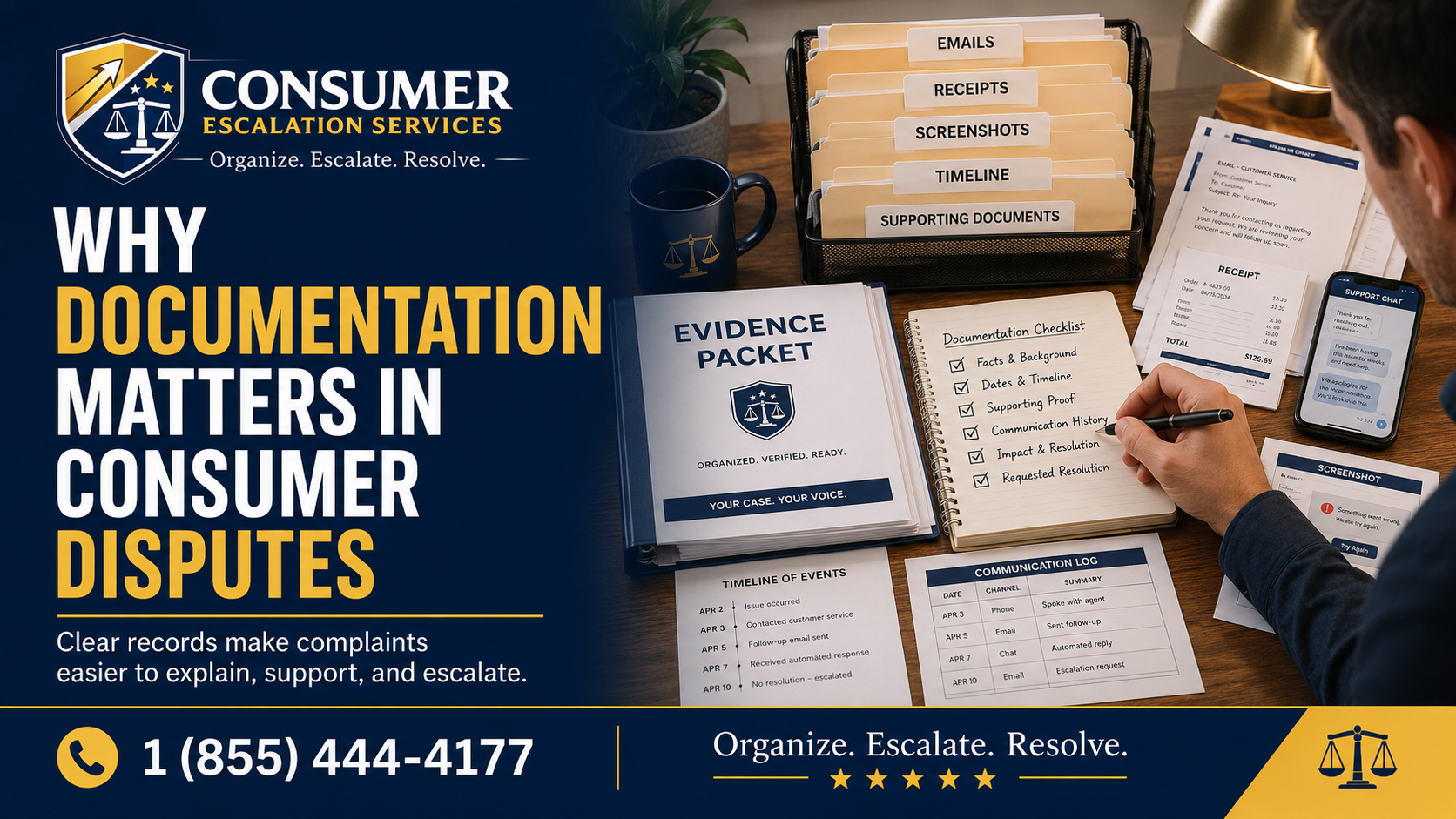
- No proof attached or referenced
- Heavy emotional language with no specific facts
- No specific resolution being requested
- Missing account numbers, order IDs, or transaction details
- Multiple messages telling slightly different versions of the story
- The complaint sent to the wrong department or channel
- No record that the consumer has already attempted normal support
None of those points are about whether the consumer is right. They are about whether a busy reviewer can act on the complaint without having to chase information.
Specific Beats Loud, Every Time
Compare these two real-world phrasings of the same complaint.
Weak
I have called a million times and nobody cares.
Stronger
I contacted customer service on March 2, March 5, and March 9. I have attached screenshots of those messages and am requesting a written response regarding my refund request of $148.20.
The second version is harder to dismiss. It anchors specific dates, references attachments, and requests a specific written response — three small details that quietly change how the message is handled.
Reframe Before You Resend
If a complaint has already been ignored once, sending the same message a second time rarely produces a different outcome. The point of the next message is not to push harder. It is to make the matter easier to act on.
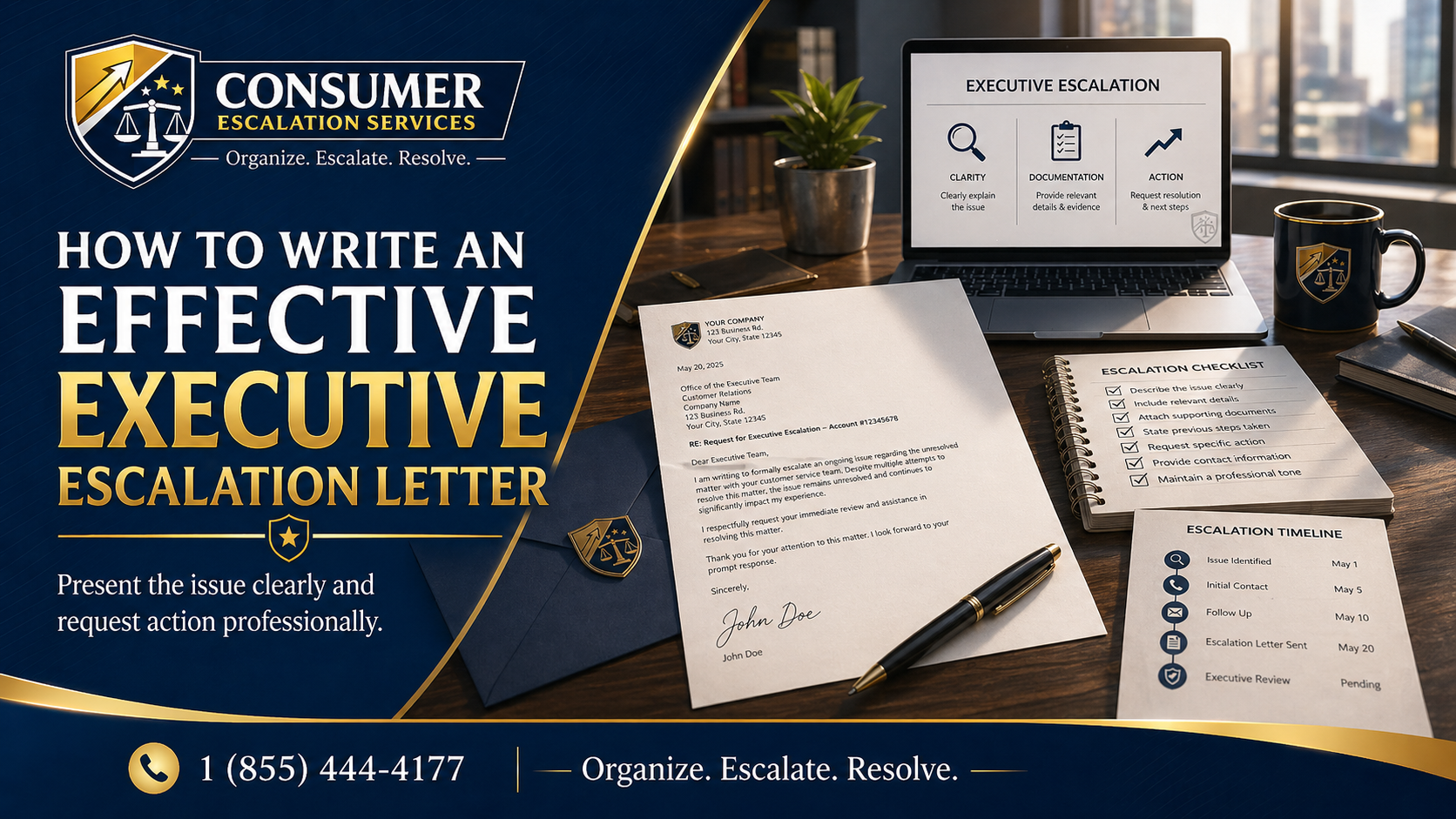
- Lead with one sentence summarizing the issue
- Reference the prior ticket numbers and dates
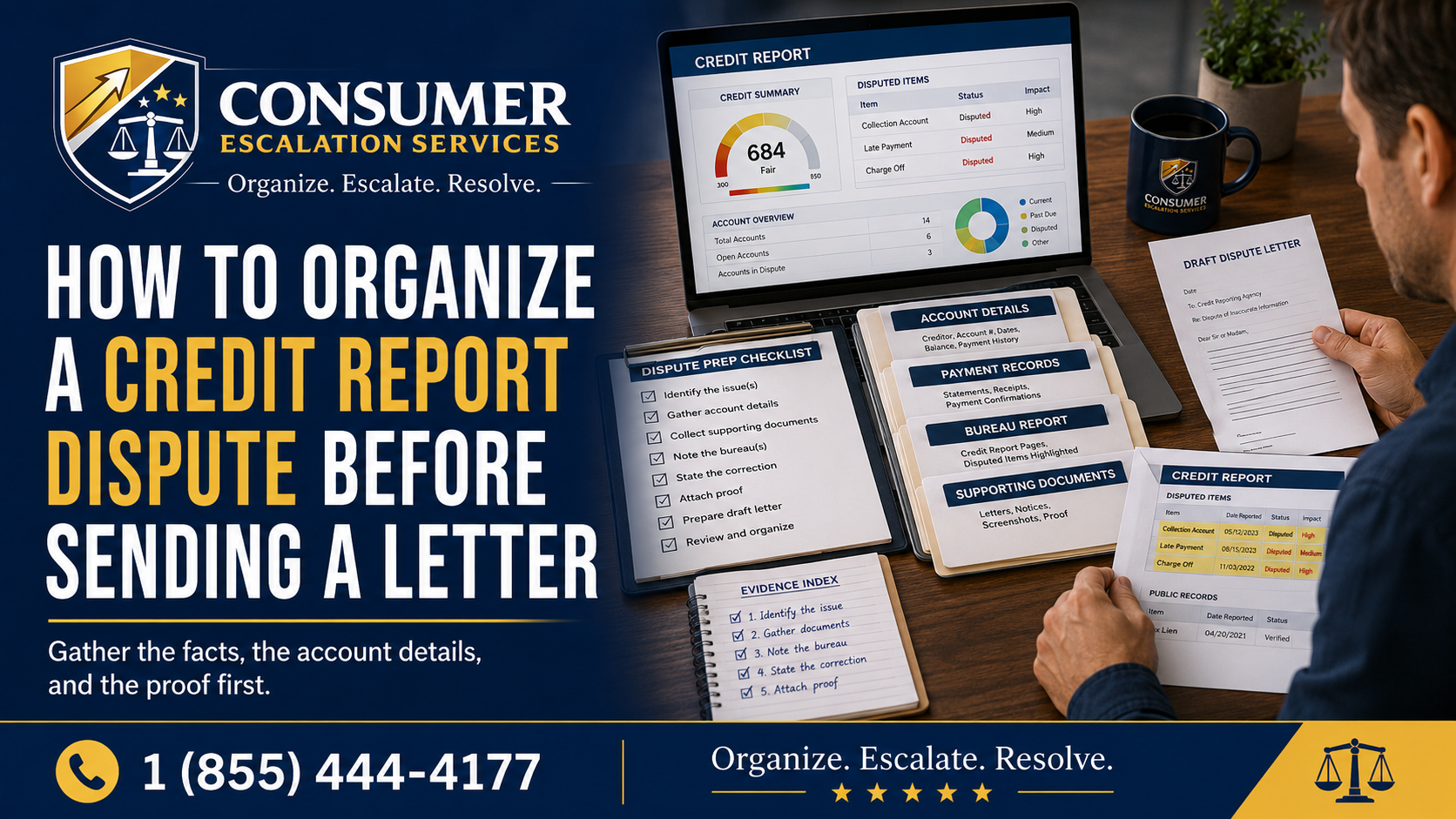
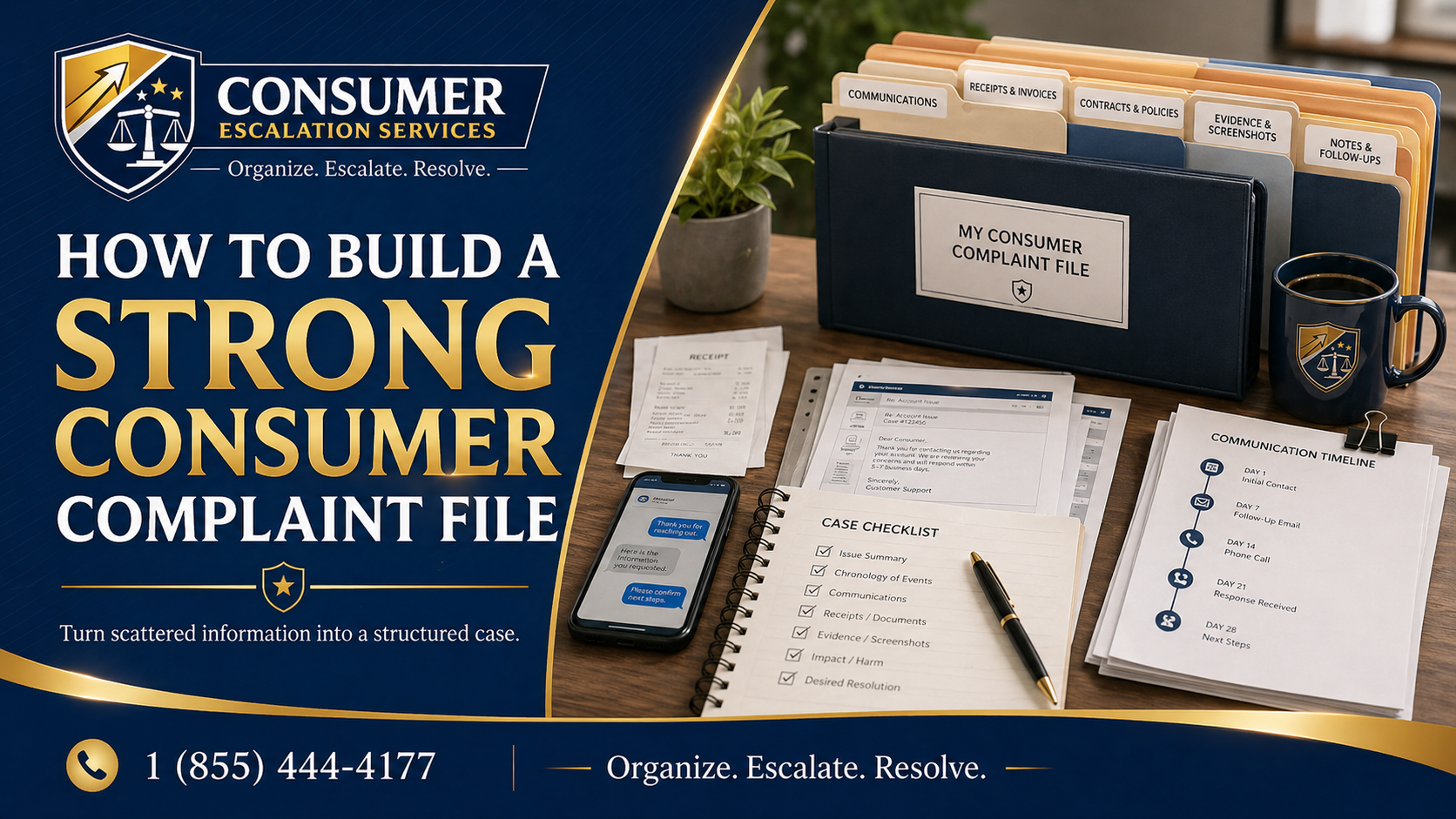
- Attach the timeline and supporting documents
- State the specific resolution requested
- Close with a reasonable response window
Done well, the second message takes ten minutes to read on the company’s side and turns into a routed task instead of another closed ticket. That is the actual goal — not to sound angry, but to be impossible to ignore on the merits.