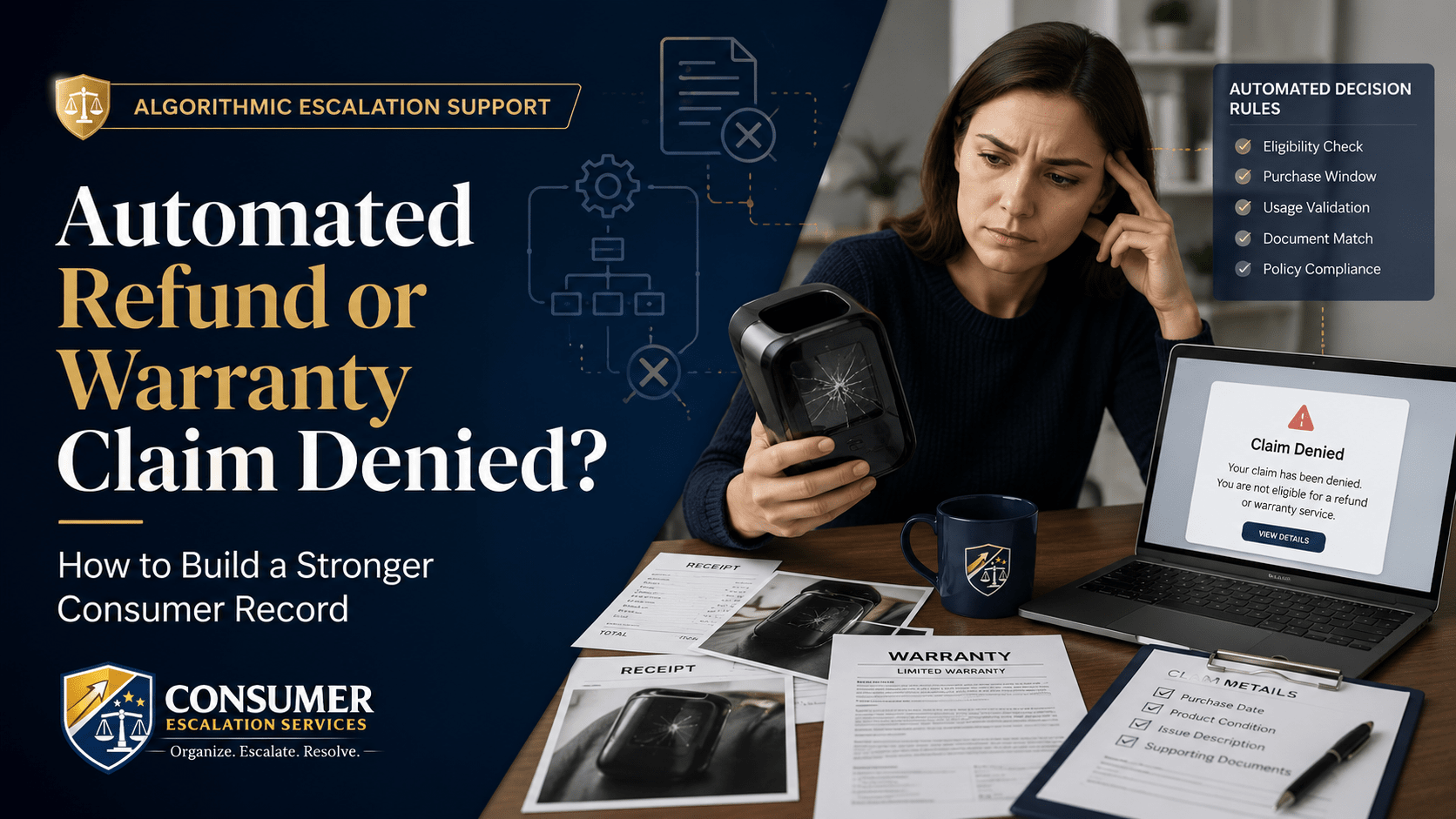
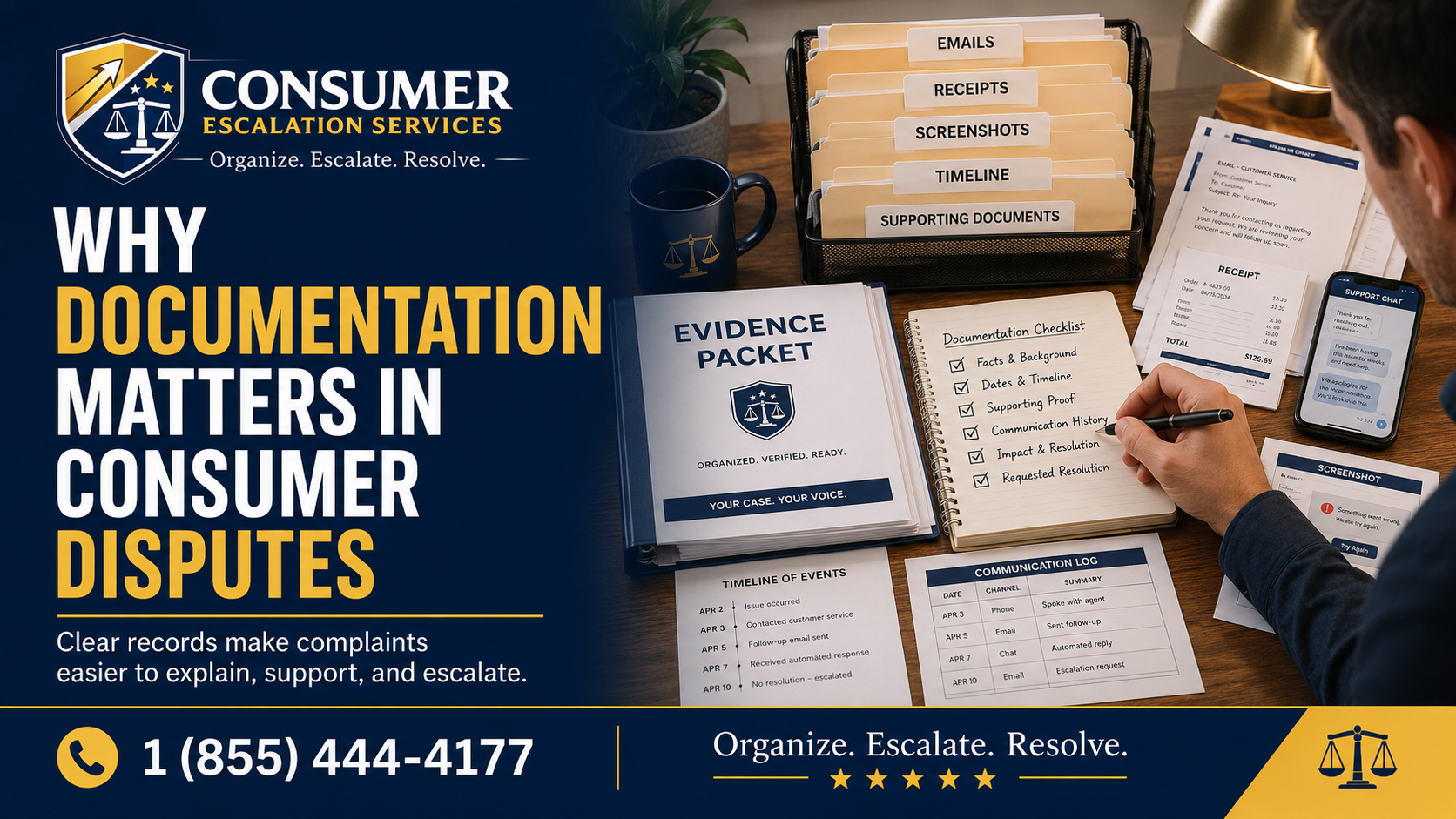
In consumer disputes, documentation often matters more than emotion. A consumer may be completely right about what happened, but if the facts are not documented, the complaint can be harder to review.
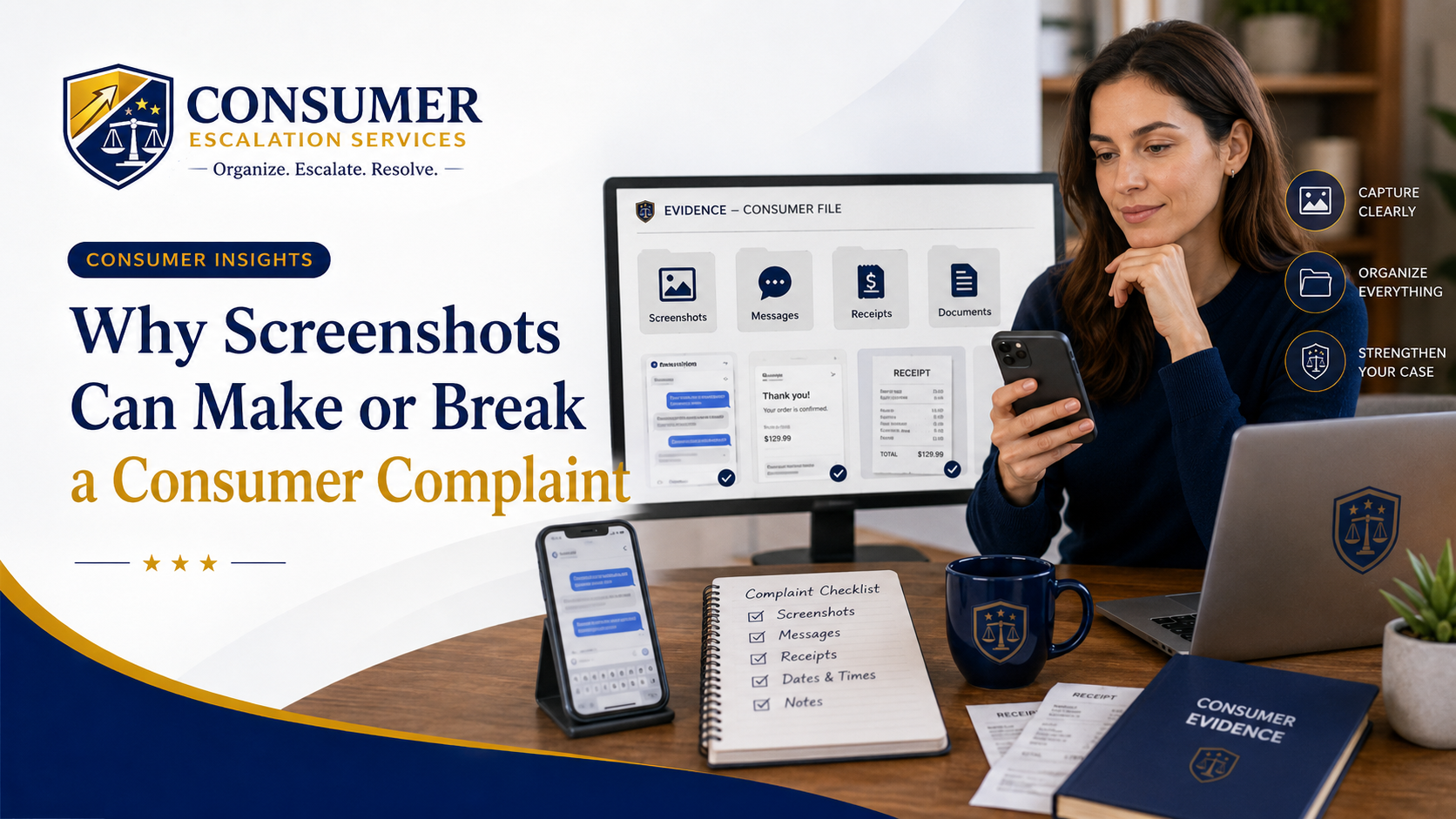
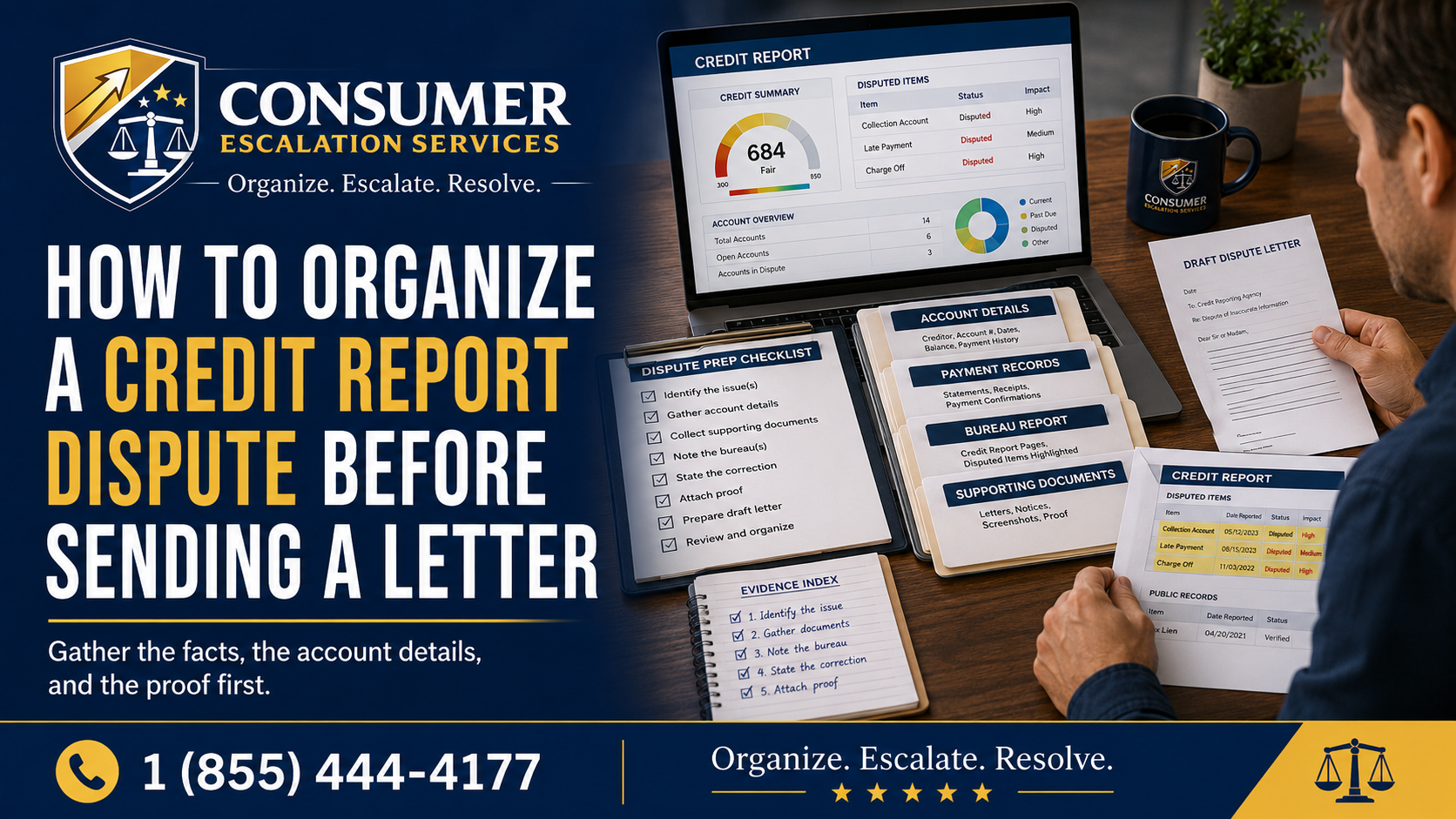
Companies, executive offices, billing departments, landlords, contractors, platforms, and customer service teams usually respond better to organized evidence than to frustration alone. Documentation helps show what happened, when it happened, who was involved, and what outcome was requested.
Useful Documentation in a Dispute
The Right Documents Depend on the Dispute
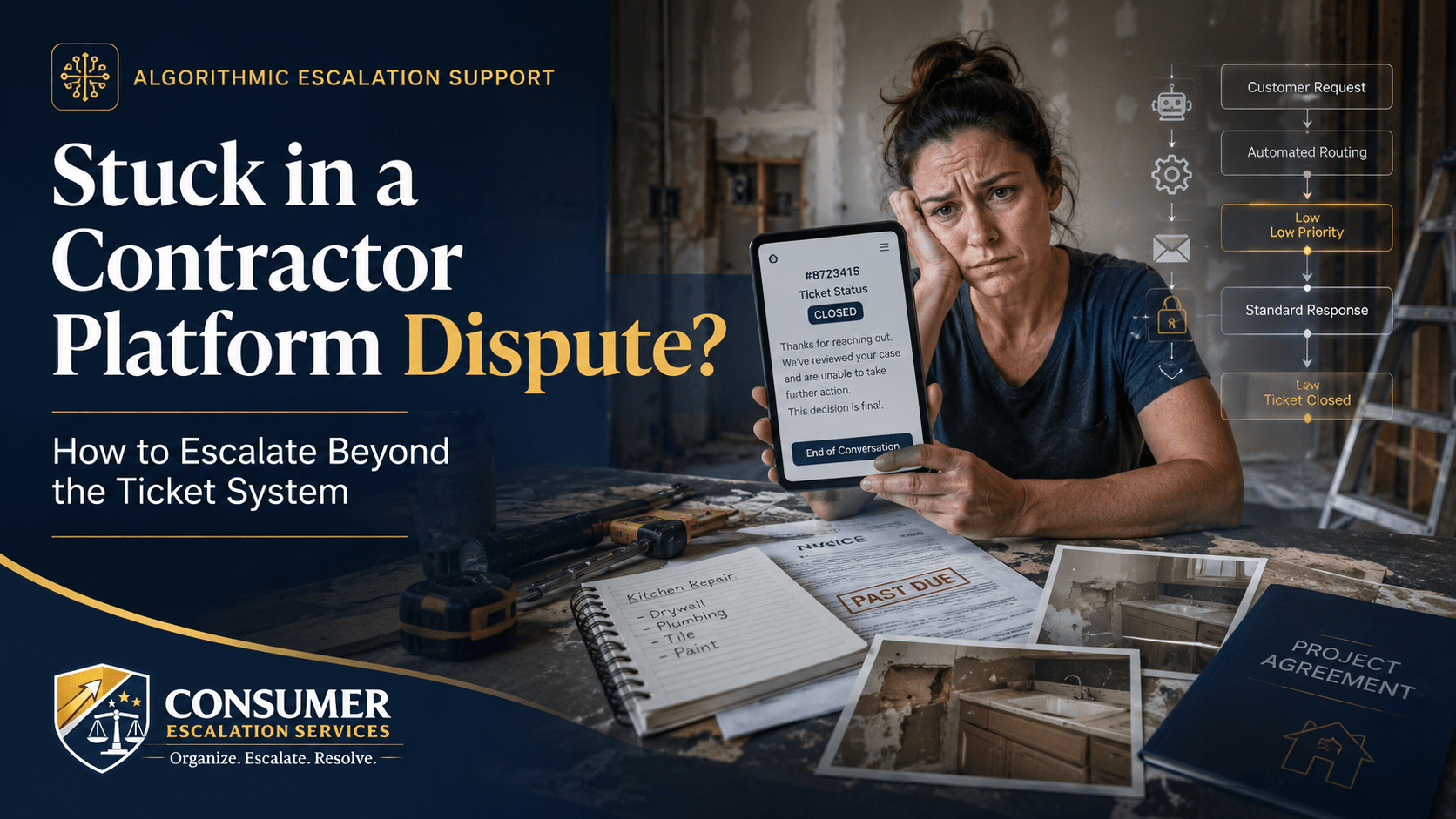
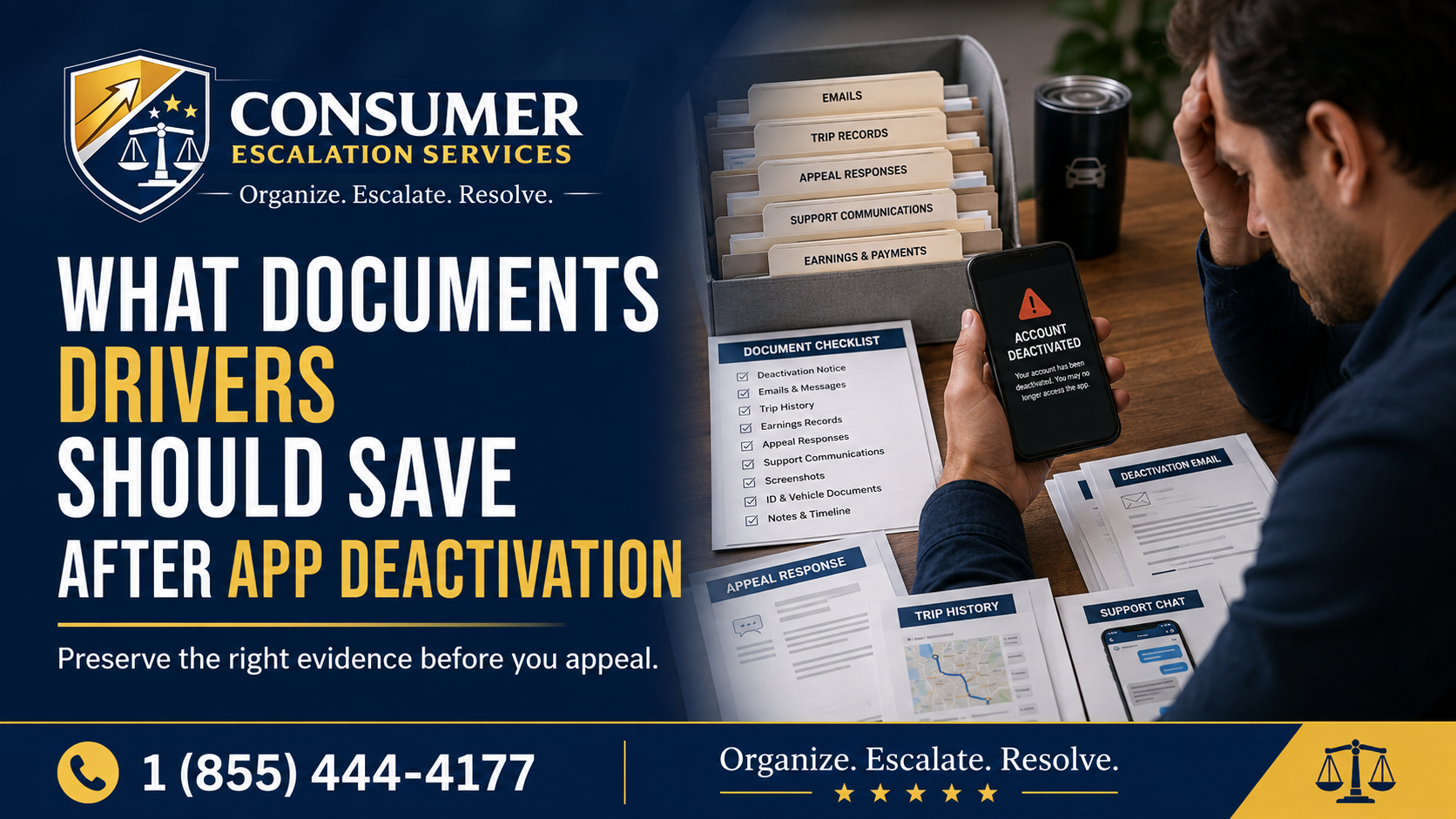
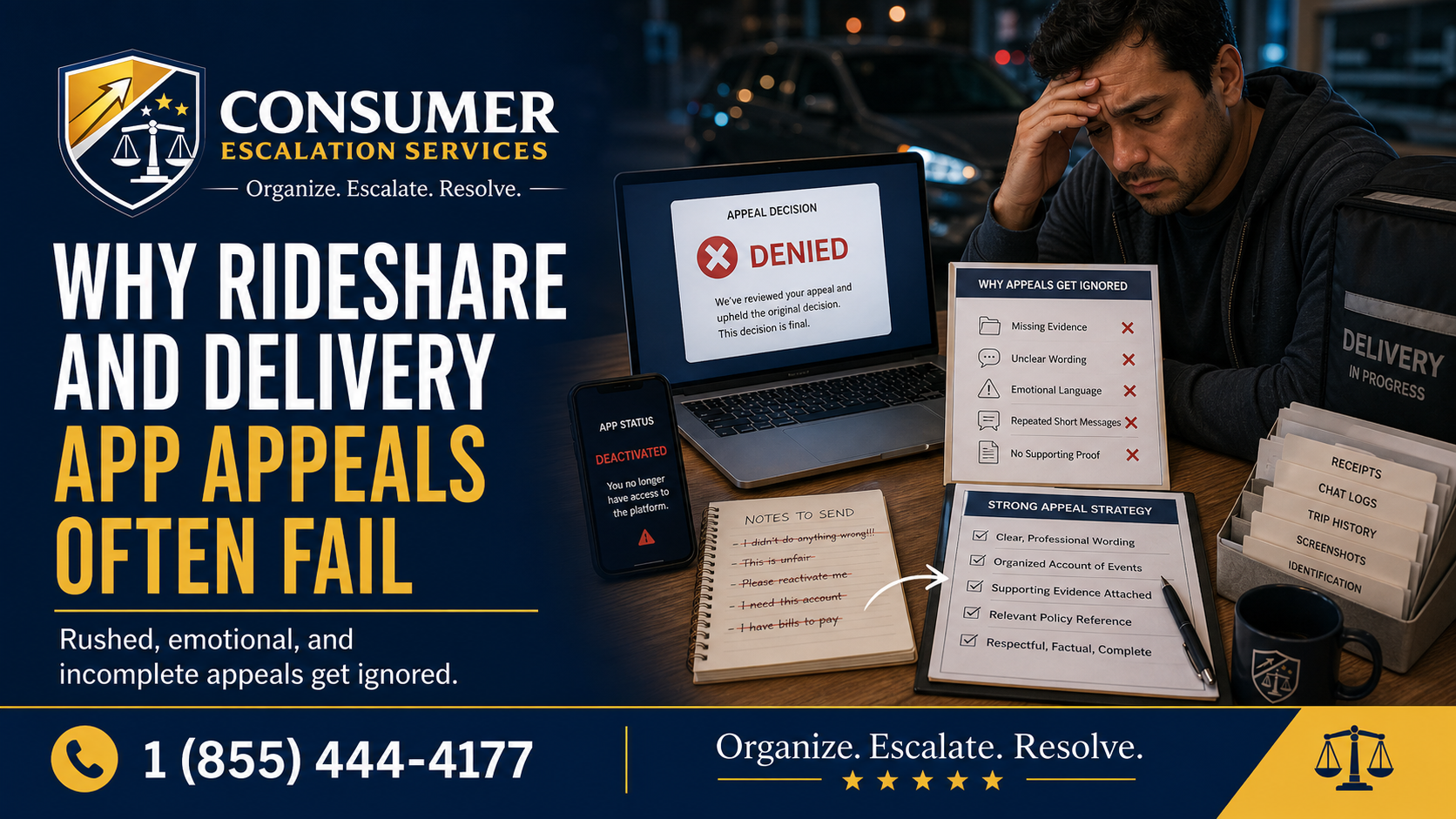
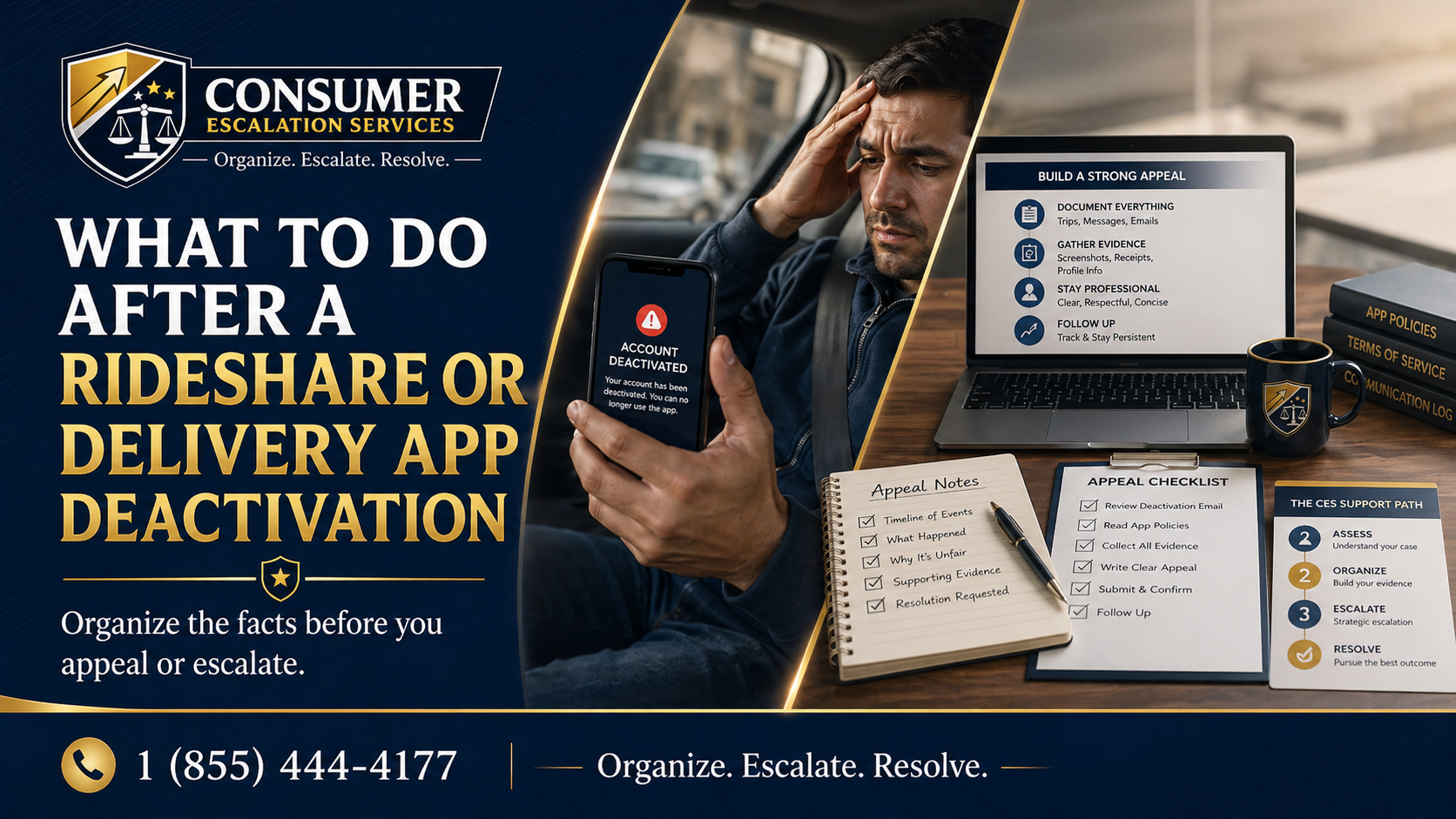
A contractor dispute may require photos, estimates, payment records, and written scope of work. A travel dispute may require booking confirmations, cancellation notices, receipts, and customer service messages. A rideshare deactivation issue may require platform notices, appeal responses, screenshots, and account history.
Documentation Should Be Organized, Not Complicated
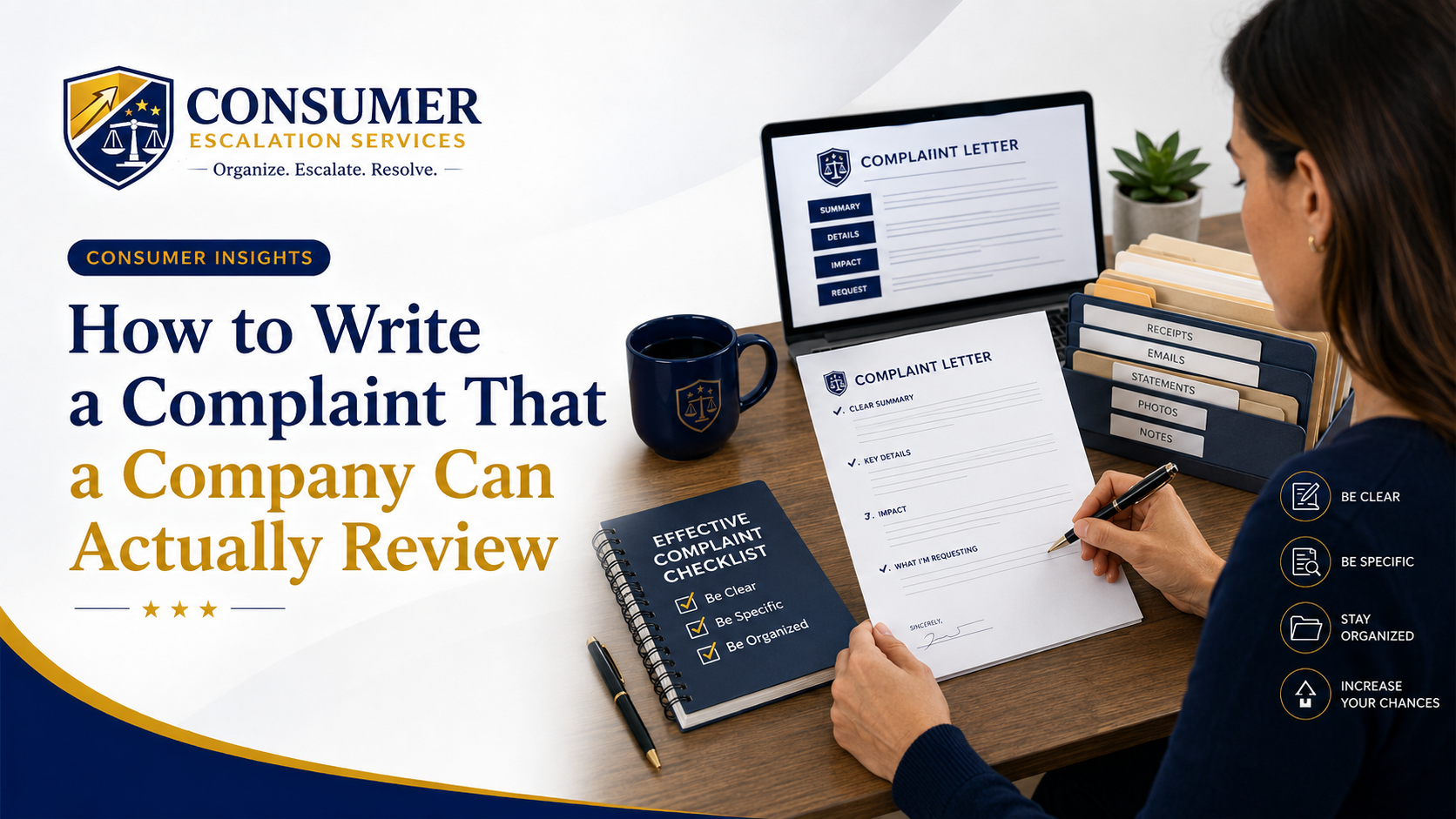
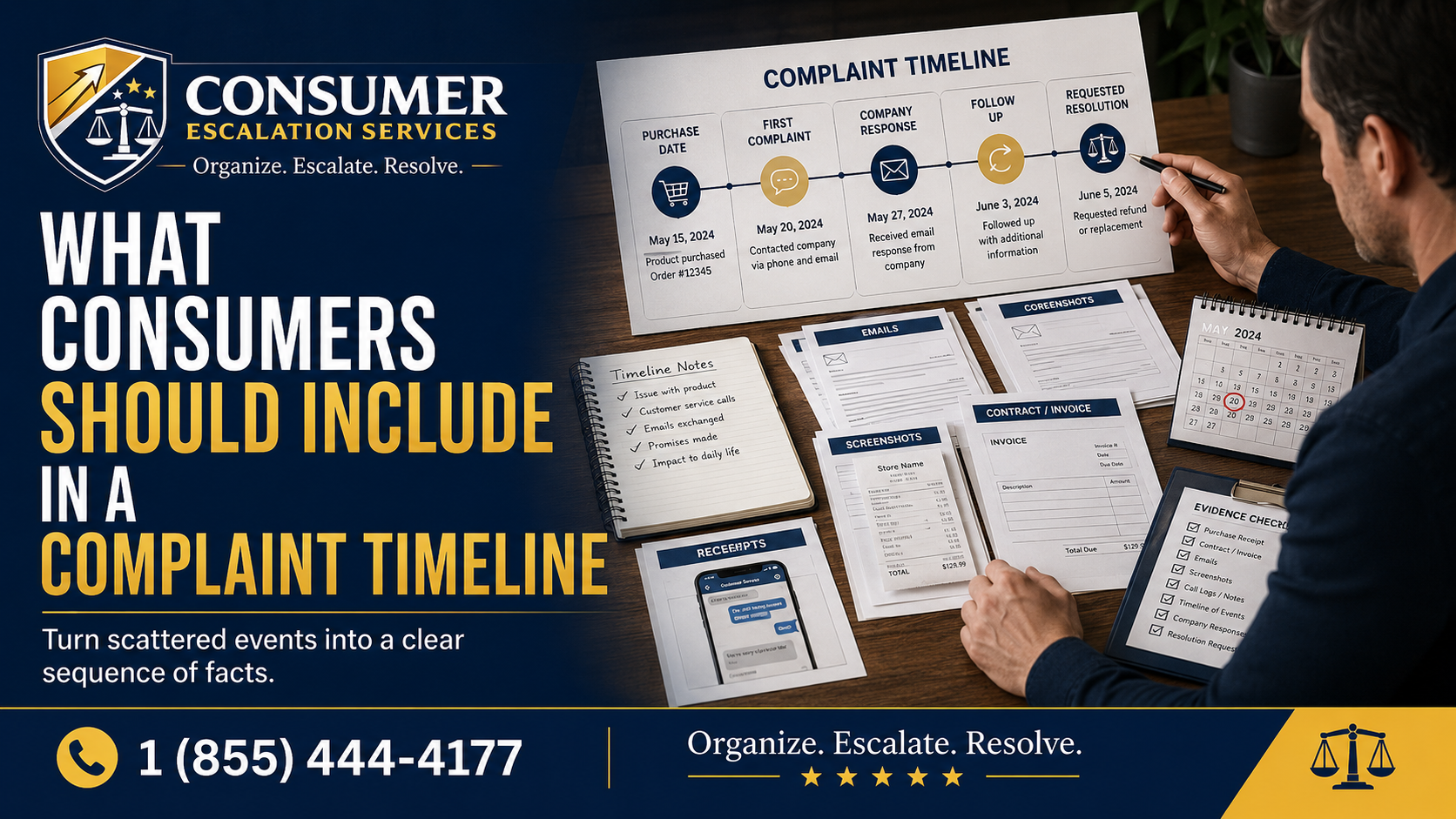
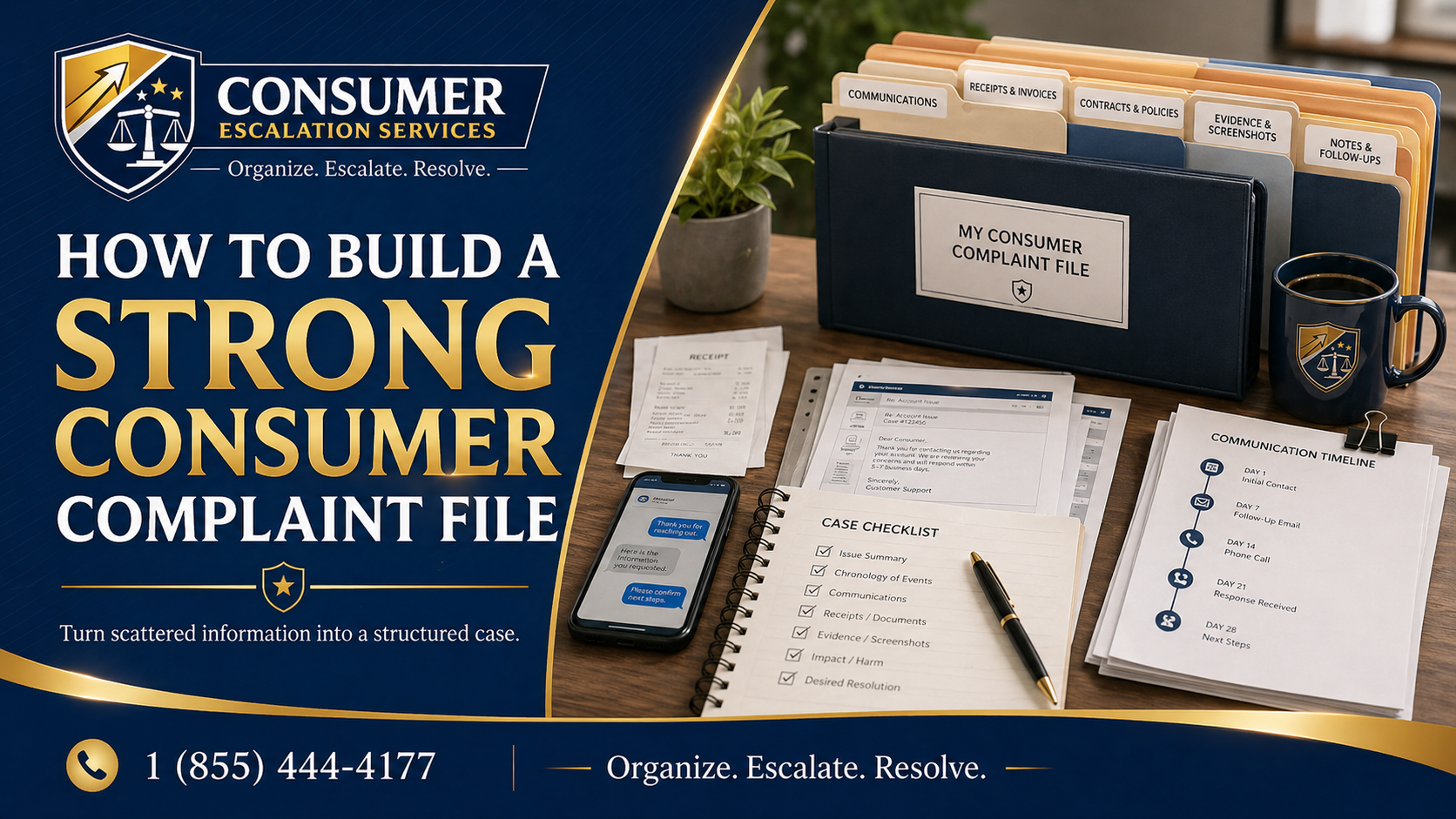
Good documentation does not need to be complicated. It needs to be organized. A consumer should know what each document is, why it matters, and where it fits in the timeline.
Create an Evidence Index
An evidence index lists each document and explains what it supports. This can make the complaint easier for someone else to review.
For example:
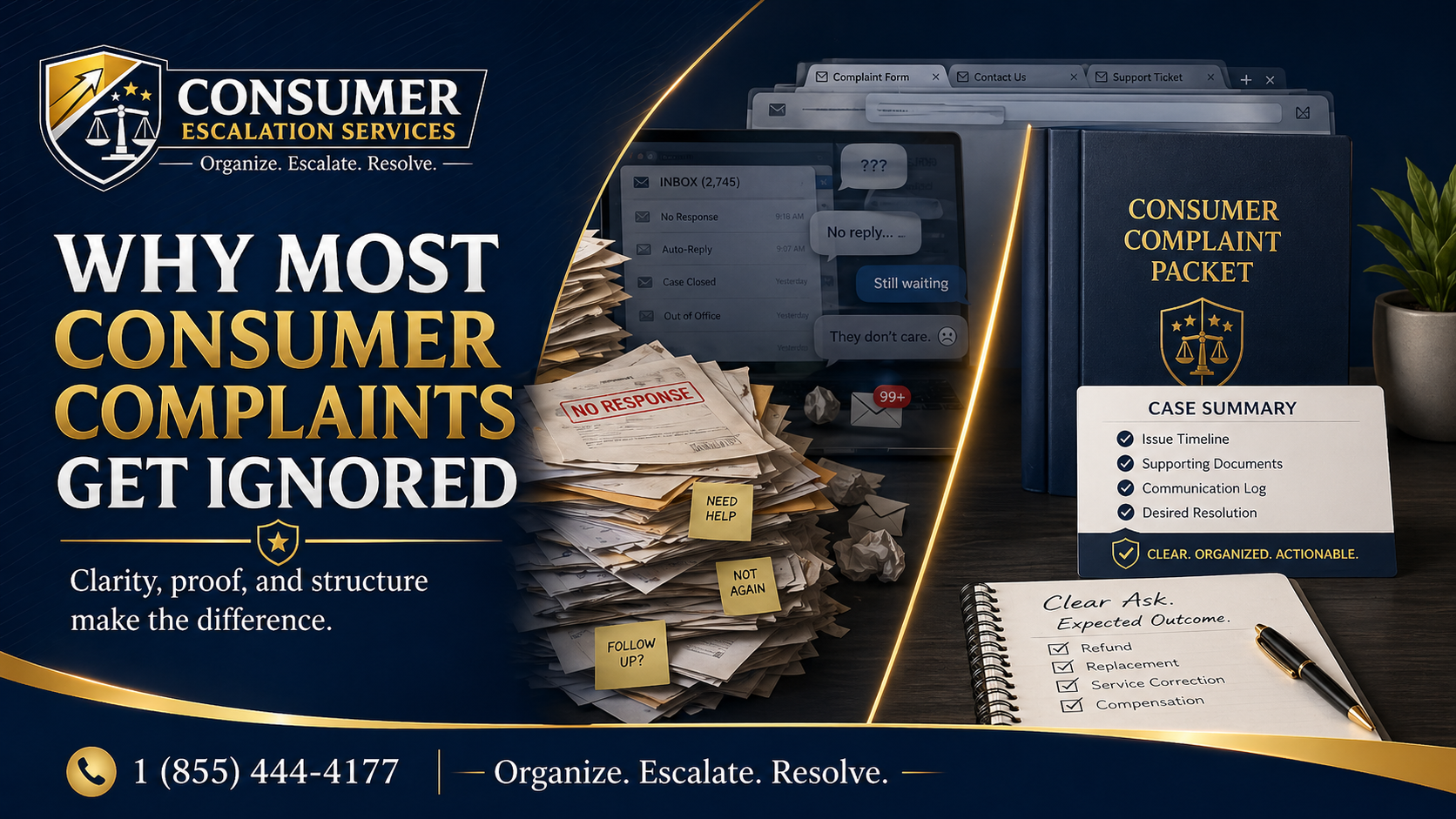
That structure is much stronger than sending a pile of screenshots with no explanation.
Consumer Escalation Services helps consumers organize documents, prepare complaint packages, and present disputes in a clearer nonlegal format. Documentation does not guarantee an outcome, but it can strengthen the presentation of the complaint.